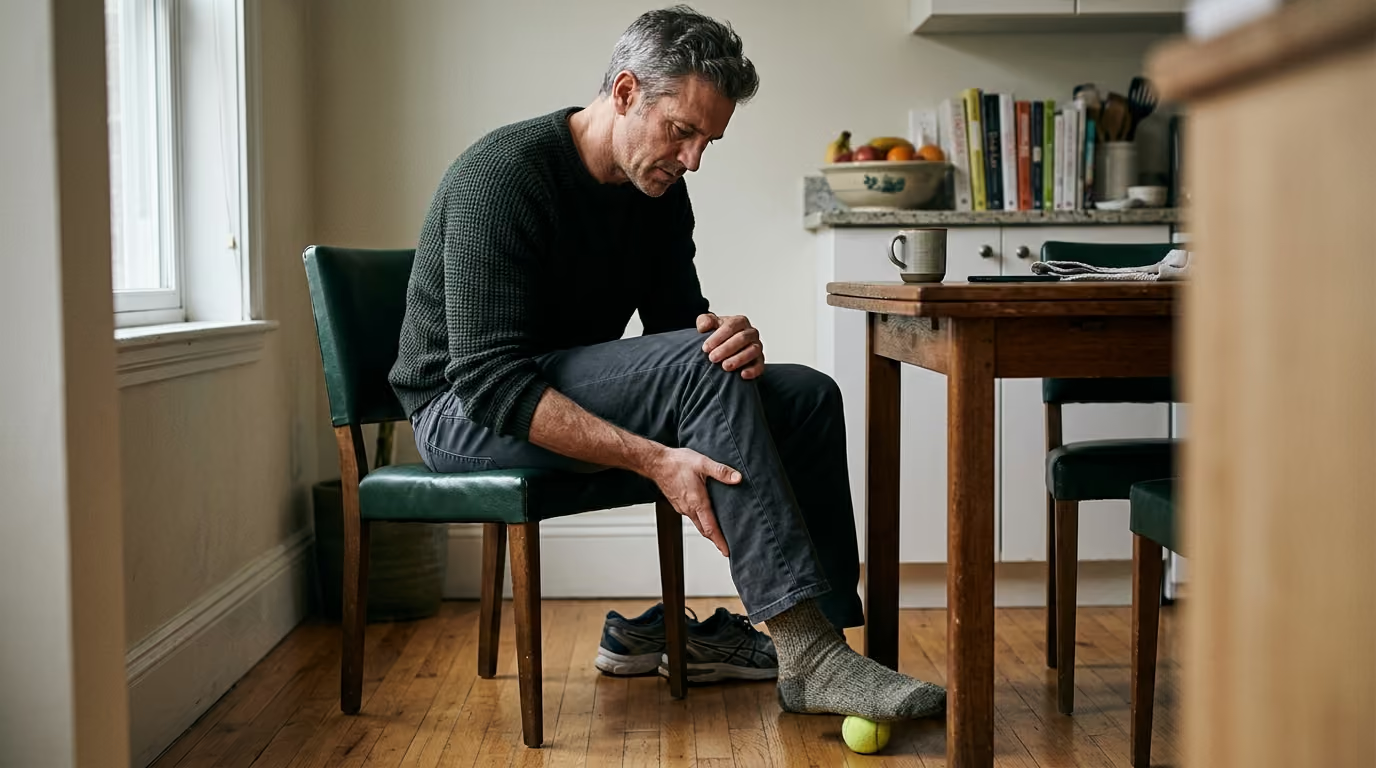

Alcohol feels like an effective evening sleep aid, but scientific research shows it fragments restorative sleep cycles and impairs next-day recovery.





You finish a long, demanding day, pour a drink, and feel the tension in your shoulders begin to loosen. An hour later, your head hits the pillow and you drift off almost immediately. At 3:15 a.m. your eyes open abruptly. Your mouth feels dry, your heart is beating faster than usual, and your thoughts are suddenly racing while the clock ticks toward morning.
This common midnight awakening illustrates the central paradox of evening drinking. Alcohol is a central nervous system depressant that can make you feel sleepy and shorten the time it takes to fall asleep. Sedation is not the same thing as restorative rest. Across controlled laboratory studies and systematic reviews, researchers find that alcohol creates an artificial sense of sleepiness early in the night while destabilizing the architecture of your rest during the early morning hours.
Understanding how evening drinking alters nightly rest requires looking past the initial feeling of drowsiness. By examining sleep architecture, breathing stability, and autonomic recovery, you can make informed decisions about your evening habits without relying on rigid wellness rules or moralizing advice.
Modern sleep research provides a consistent picture of how alcohol interacts with human biology. The overall evidence base is strong for acute laboratory settings, moderately strong for observational population studies, and nuanced regarding long-term health outcomes. Rather than preventing sleep entirely, alcohol fundamentally reorganizes how you progress through different sleep stages.
A systematic review and meta-analysis published in 2025 evaluated controlled trials examining alcohol consumption before sleep in healthy adults. The researchers observed that alcohol delays and shortens rapid-eye-movement (REM) sleep in a clear dose-dependent manner. Even low alcohol doses, defined as roughly two standard drinks or less, reduced REM duration. When doses increased, REM suppression became substantially more pronounced.
The same meta-analysis noted that a faster sleep onset latency and quicker entry into slow-wave sleep occurred primarily at high doses of 0.85 grams of alcohol per kilogram of body weight or more. That dose equals approximately five standard drinks for an average adult. Lower doses did not reliably produce faster sleep onset across the pooled data.
Observational evidence reinforces these clinical trials. A large study examining sleep patterns among shift-working nurses found that consuming at least one alcoholic beverage reduced sleep onset by an average of 4.21 minutes. That same intake increased wakefulness after initial sleep onset by 2.36 minutes. The trade-off is clear: alcohol may shave minutes off the initial transition to sleep, but it exacts a measurable penalty in sleep stability across the rest of the night.
Controlled research published in the review literature demonstrates that alcohol creates a biphasic physiological response. In the first half of the night, while blood alcohol concentrations remain elevated, sedation dominates. In the second half of the night, as the liver metabolizes the alcohol and blood concentrations drop toward zero, the central nervous system experiences a rebound in arousal. This rebound fragments sleep continuity, increases awakenings, and disrupts autonomic nervous system balance.
To evaluate what happens after an evening drink, it helps to establish clear definitions for how researchers measure rest. Sleep is not a uniform state of unconsciousness. It is an active, structured cycle consisting of distinct stages that serve specific cognitive, emotional, and physical recovery functions.
Sleep onset latency measures the number of minutes it takes to transition from full wakefulness to continuous sleep after turning out the lights. In healthy adults, a normal latency ranges from 10 to 20 minutes. Falling asleep in under five minutes often indicates high sleep debt or pharmacological sedation rather than superior sleep health. Alcohol reduces this latency at higher doses, creating the illusion of an effective sleep aid.
Wake after sleep onset tracks the total minutes spent awake between initially falling asleep and finally getting out of bed. In uninterrupted sleep, this number remains low, with brief arousals that are quickly forgotten. Alcohol consistently increases wakefulness during the latter half of the night. You may wake up repeatedly, shift positions, or experience long stretches of conscious restlessness before dawn.
Sleep efficiency represents the percentage of total time in bed spent asleep. If you spend eight hours in bed and sleep for six hours, your sleep efficiency is 75 percent. High-quality rest is characterized by a sleep efficiency of 85 percent or higher. Alcohol frequently suppresses sleep efficiency by creating fragmented micro-arousals, even when your total time between the sheets remains unchanged.
Non-REM sleep is divided into three distinct phases:
Alcohol temporarily increases N3 slow-wave sleep during the initial hours of the night. This initial surge of deep sleep can mislead people into believing that alcohol improves sleep quality. That early deep sleep comes at the expense of other essential stages.
Rapid-eye-movement sleep features high brain metabolic activity, rapid eye movements, temporary skeletal muscle paralysis, and vivid dreams. This stage plays an important role in emotional regulation, memory consolidation, creative problem-solving, and mood stability. Alcohol is a potent REM suppressant. By delaying the onset of the first REM period and reducing total REM duration, alcohol deprives the brain of vital cognitive processing time.
Subjective sleep quality describes how rested, alert, and clear-headed you feel upon waking. Objective sleep quality is measured through polysomnography, actigraphy, or cardiovascular tracking. These two measures frequently diverge after alcohol consumption. You might believe you slept soundly because you fell asleep quickly, yet physiological sensors reveal elevated heart rates, frequent arousals, and severely disrupted sleep architecture. Exploring better sleep quality habits requires looking at both how you feel and how your body actually rested.
The disruption caused by evening alcohol extends beyond nighttime awakenings. The physiological ripple effects alter nervous system regulation, cardiovascular recovery, cognitive performance, and emotional resilience throughout the following day.
The fundamental reason alcohol impairs sleep quality is the two-phase metabolic response:
This front-loaded sedation creates a sharp contrast between how easily you fall asleep and how poorly you rest before morning.
Restorative sleep requires a shift in autonomic tone. In normal sleep, the parasympathetic branch of the nervous system dominates, lowering your heart rate, reducing blood pressure, and raising heart rate variability.
Alcohol prevents this natural cardiovascular recovery. Controlled laboratory research shows that alcohol keeps the sympathetic nervous system active during sleep. Heart rates remain significantly elevated throughout the night, sometimes by 10 to 20 beats per minute above resting baseline. Heart rate variability drops substantially, indicating that your cardiovascular system is working under sustained physiological stress rather than resting.
This chronic autonomic strain explains why recovery feels slower over time, especially when evening drinking coincides with the natural physiological shifts that occur after age 35.
The cognitive consequences of alcohol-disrupted sleep are measurable the next morning. In controlled trials evaluating psychomotor vigilance, participants who consumed alcohol before bed displayed slower reaction times, reduced sustained attention, and more frequent lapses in concentration.
These performance decrements occur even after blood alcohol levels have returned to zero. The impairment is driven by a combination of REM deprivation, broken sleep continuity, and residual mild dehydration. Participants in these studies also reported higher levels of dysphoric mood, irritability, and mental fatigue the next morning. When your brain is denied adequate REM sleep, its capacity to process emotional stressors and maintain steady working memory is noticeably reduced.
The severity of sleep disruption varies from person to person and from night to night. Several biological and behavioral factors determine how severely an evening drink will affect your rest.
The amount of alcohol consumed is the most powerful determinant of sleep disruption. Research shows a clear dose-response gradient: small amounts cause mild REM suppression, while moderate to heavy amounts produce widespread structural breakdown of sleep.
Evaluating dose requires an objective understanding of standard drink volumes. In the United States, a standard drink contains approximately 14 grams (0.6 fluid ounces) of pure alcohol. This standard measure corresponds to:
Many real-world drinks contain far more than one standard drink. A large restaurant pour of wine may contain 8 to 9 ounces, representing nearly two standard drinks. A craft IPA with 8 percent alcohol contains almost twice the alcohol of a standard light lager. A heavy pour of spirits at home can easily double or triple the intended physiological dose. Misjudging your actual intake makes it easy to underestimate the sleep cost of an evening beverage.
Timing is almost as influential as dose. If you finish a single drink with dinner at 6:30 p.m. your liver may fully clear the alcohol before you go to bed at 10:30 p.m. In this scenario, the acute sedative and rebound phases occur while you are still awake, minimizing direct disruption to your sleep architecture.
If you consume a nightcap at 10:00 p.m. and turn the lights off at 10:30 p.m. your blood alcohol levels remain elevated during the first sleep cycle. The metabolic rebound will hit your nervous system between 2:00 a.m. and 5:00 a.m. directly colliding with the period when your body naturally prioritizes REM sleep.
Age significantly alters how the body processes both alcohol and sleep. As adults move past 35, the liver produces lower levels of alcohol-metabolizing enzymes, prolonging the time it takes to clear each drink. Body water percentages decrease with age, leading to higher peak blood alcohol concentrations for identical beverage volumes.
Simultaneously, natural sleep architecture becomes more fragile with age. Slow-wave sleep naturally declines, and sleep continuity becomes more vulnerable to external noise, temperature changes, and internal hormonal shifts. Understanding these natural changes in sleep timing and circadian stability clarifies why a drink that caused minimal disruption in your twenties can trigger broken sleep in your forties.
Alcohol acts as a systemic muscle relaxant. During sleep, this relaxation affects the dilator muscles of the upper airway, including the tongue, soft palate, and pharynx. As these tissues relax, the airway narrows, increasing turbulence and tissue vibration.
This muscle relaxation causes noticeable changes in breathing:
The Australasian Sleep Association explicitly recommends reducing alcohol consumption for individuals with obstructive sleep apnea. Snoring after drinking is not merely a bedroom annoyance; it is a clinical sign of increased airway instability.
Several widespread myths encourage people to view alcohol as a harmless or effective sleep aid. Correcting these misconceptions helps set realistic expectations for recovery.
Many people believe that because a drink makes them drowsy, it helps them sleep. This belief confuses sedation with genuine sleep. Sedation is a state of pharmacologically depressed neural activity. Genuine sleep is an active physiological process involving coordinated brain wave oscillations, cellular repair, and memory processing. Alcohol suppresses the very brain mechanisms needed to generate restorative rest.
It is common to assume that sleeping straight through the night means your sleep was high quality. Alcohol alters sleep architecture even in the absence of conscious awakenings. You may remain unconscious while your brain experiences severe REM suppression, elevated heart rates, and micro-arousals that never fully wake you. You wake up feeling unrefreshed despite eight uninterrupted hours in bed.
Some people assume that red wine is gentle on sleep due to cultural associations with relaxation or dinner rituals. Wine contains the exact same ethanol molecule found in beer and distilled spirits. Ethanol alters GABA receptors, suppresses REM sleep, and triggers metabolic rebounds regardless of the beverage source. High-tannin or high-sugar wines can also contribute to gastrointestinal discomfort and nocturnal thirst.
While a small drink produces less disruption than a heavy intake, research confirms that low doses still alter sleep. The 2025 systematic review demonstrated measurable delays in REM sleep at doses equivalent to one or two standard drinks. A single drink may not cause dramatic insomnia, but it still exerts a measurable physiological cost on sleep architecture.
Some individuals believe they can eliminate sleep disruption by staying awake until the sedative effect passes. Extending your wake time can delay sleep onset past your optimal circadian window, reducing your total sleep duration. When you finally sleep, the metabolic rebound may still overlap with your early morning rest cycles.
Examining how alcohol impacts real-world routines illustrates why different people experience varied sleep outcomes. These illustrative models describe common physiological interactions.
In this scenario, an individual drinks two glasses of wine between 8:30 p.m. and 10:00 p.m. to unwind from a demanding workday. They fall asleep within ten minutes of turning out the light at 10:30 p.m. By 3:00 a.m. their liver has cleared the majority of the ethanol.
The resulting surge in glutamate and drop in GABA causes an abrupt awakening. The person experiences a dry mouth, mild sweating, and an elevated heart rate. They toss and turn for 90 minutes in light N1 sleep before drifting into fragmented, dream-heavy rest just before the alarm sounds at 6:30 a.m. They start the day feeling unrefreshed and mentally foggy.
In another model, an individual consumes a single 5-ounce glass of wine with dinner at 6:30 p.m. and goes to bed at 10:30 p.m. By the time they sleep, four hours have elapsed, allowing their body to clear most of the alcohol.
Their sleep onset latency remains normal at 15 minutes, and they do not experience conscious nighttime awakenings. Polysomnography might detect a minor delay in their first REM cycle, but their overall sleep efficiency remains above 85 percent. Their morning resting heart rate is near baseline. This pattern demonstrates how timing and moderation minimize physiological disruption.
An individual with mild, undiagnosed airway resistance drinks three beers while watching a sports event ending at 10:30 p.m. When they sleep at 11:00 p.m. the alcohol relaxes their pharyngeal muscles, causing significant soft-tissue collapse.
Their bed partner reports unusually loud, continuous snoring punctuated by brief gasps. The sleeper does not remember waking up, but their brain experienced dozens of micro-arousals to reopen the airway each time oxygen levels dropped. They wake up with a dull headache, dry throat, and profound morning fatigue, unaware that alcohol converted their mild airway resistance into severe sleep fragmentation.
In this scenario, a professional or regular exerciser trains hard or works late, followed by two cocktails at an evening networking event. They spend eight full hours in bed and expect full physical recovery.
Their wearable device shows a resting heart rate ten beats higher than normal and a 30 percent drop in heart rate variability. Because alcohol suppressed their slow-wave sleep timing and fragmented their REM cycles, cellular repair and muscle protein synthesis were compromised. The next day, their physical power output is blunted, their perceived exertion is higher, and their mental reaction time is measurably slower.
An individual dealing with persistent stress begins drinking a glass of whiskey each evening to quiet an overactive mind. Initially, it works well by shortening sleep onset latency. Over several weeks, their brain adapts to the nightly GABA stimulation, leading to tolerance.
They find they need two drinks to fall asleep as quickly as before. The increased dose worsens their middle-of-the-night awakenings, leading to daytime exhaustion. To cope with daytime fatigue, they increase their caffeine intake, which makes falling asleep even harder the next night. This self-reinforcing loop highlights why alcohol is counterproductive for managing sleep difficulties.
You do not need to adopt an all-or-nothing approach to protect your sleep quality. Applying realistic, low-friction strategies can significantly reduce the disruptive effects of evening drinking.
The most effective behavioral adjustment is giving your liver time to clear alcohol before your head hits the pillow. As a practical guideline, aim for a buffer of three to four hours between your last sip and your planned bedtime for moderate drinking.
This window allows the primary metabolic processing to occur while you are awake. You experience the rise and fall of blood alcohol levels during the evening, protecting your nocturnal sleep architecture from severe rebound arousal.
Rather than relying on general advice, test how alcohol affects your unique physiology. Pick a two-week period to conduct a simple personal comparison:
Comparing these two weeks provides objective, personalized evidence of how alcohol shapes your morning clarity and sleep continuity.
Many people drink in the evening not for the taste of alcohol, but for the psychological signal that the workday is over. You can achieve this mental shift without pharmacological sedation.
Construct an intentional evening recovery transition that engages your senses. This might include:
When you do choose to drink in the evening, manage the rate of absorption. Sip drinks slowly rather than consuming them quickly. Pair every alcoholic beverage with a full glass of water to reduce dehydration and slow your overall consumption rate. Eating a balanced dinner containing protein, healthy fats, and complex carbohydrates slows gastric emptying, preventing sharp spikes in peak blood alcohol concentration.
Combining alcohol with prescription sleep medications, over-the-counter antihistamines, benzodiazepines, or opioids is dangerous. Alcohol magnifies the respiratory-depressant and sedative effects of these drugs, dramatically increasing the risk of severe airway obstruction, dangerous drops in heart rate, and overdose. If you take medication that causes drowsiness, avoid alcohol entirely.
If you have consumed moderate or heavy amounts of alcohol in the evening, recognize that your cognitive and physical readiness will be compromised the next morning. Avoid scheduling safety-sensitive tasks, long highway driving, or demanding precision work early in the day. Give yourself extra time to wake up, hydrate thoroughly, and focus on steady, low-complexity tasks while your nervous system regains equilibrium.
While the broad physiological effects of alcohol on sleep are well documented, several important scientific uncertainties and research limitations remain.
Much of the gold-standard polysomnography data comes from controlled laboratory environments. In these studies, healthy young volunteers consume precise alcohol doses dissolved in fruit juice at exact minute intervals, followed by sleep in soundproof, temperature-regulated rooms with scalp electrodes attached.
Real-world drinking is messier. It involves varied food intake, social interactions, fluctuating stress levels, ambient bedroom noise, and irregular bedtimes. These confounding factors make it difficult to predict the exact magnitude of sleep disruption for an individual on any given night.
Most clinical sleep trials investigate acute, single-night alcohol administration in healthy adults without drinking disorders. These findings cannot be directly applied to chronic heavy drinking or alcohol use disorder.
Chronic alcohol exposure leads to persistent neuroadaptations in GABA and glutamate systems. In long-term heavy drinkers, sleep architecture remains severely disrupted even during extended periods of abstinence, characterized by persistent insomnia, prolonged sleep latency, and blunted slow-wave sleep.
Millions of people now track their sleep using smart rings, wristbands, and smartwatches. These devices provide valuable insights into resting heart rate trends, skin temperature, and total movement.
Their estimation of sleep stages (light, deep, and REM) relies on algorithms combining motion and heart rate variability rather than direct electroencephalogram (EEG) brain wave measurement. While wearables reliably detect alcohol-induced elevations in sleeping heart rate, their specific sleep stage breakdowns should be treated as helpful approximations rather than clinical diagnoses.
Research is mixed regarding alcohol's impact on total sleep time. Some studies show that low to moderate doses slightly increase total sleep duration due to prolonged morning bed rest, while other studies show shortened sleep duration from early morning awakenings. The most consistent finding across the literature is not that alcohol reliably shortens total sleep time, but that it degrades the quality, stability, and structure of that time.
Occasional poor rest after an evening social event is normal and manageable. Persistent sleep difficulties or signs of underlying breathing disorders warrant professional clinical assessment.
Consider consulting a qualified physician, sleep specialist, or behavioral sleep medicine professional if you notice:
Evidence-based medical treatments, such as Cognitive Behavioral Therapy for Insomnia (CBT-I) or continuous positive airway pressure (CPAP) therapy for sleep apnea, provide safe, sustainable improvements in sleep quality without the physiological costs of self-medication.
Revisit these guidelines whenever you notice your morning energy slipping, your resting heart rate trending upward, or your sleep feeling increasingly fragmented. Reviewing this information is particularly helpful when navigating periods of high workplace stress, adjusting your routines after age 35, or evaluating whether evening habits are quietly undermining your daytime performance.
Alcohol can reliably produce sedation and shorten the time it takes to fall asleep, but genuine rest requires the brain to complete its natural, uninhibited sleep cycles. Real recovery is built on physiological stability throughout the entire night, not pharmacologically induced unconsciousness during the first few hours.
Stay connected for research and practical guidance on sleep, stress, circadian rhythm and recovery. Clear ideas for adults 35+ who want better rest, steadier energy and more resilient days.



Explore practical guidance on sleep, stress and recovery without chasing every new hack, device or promise.
explore the blog