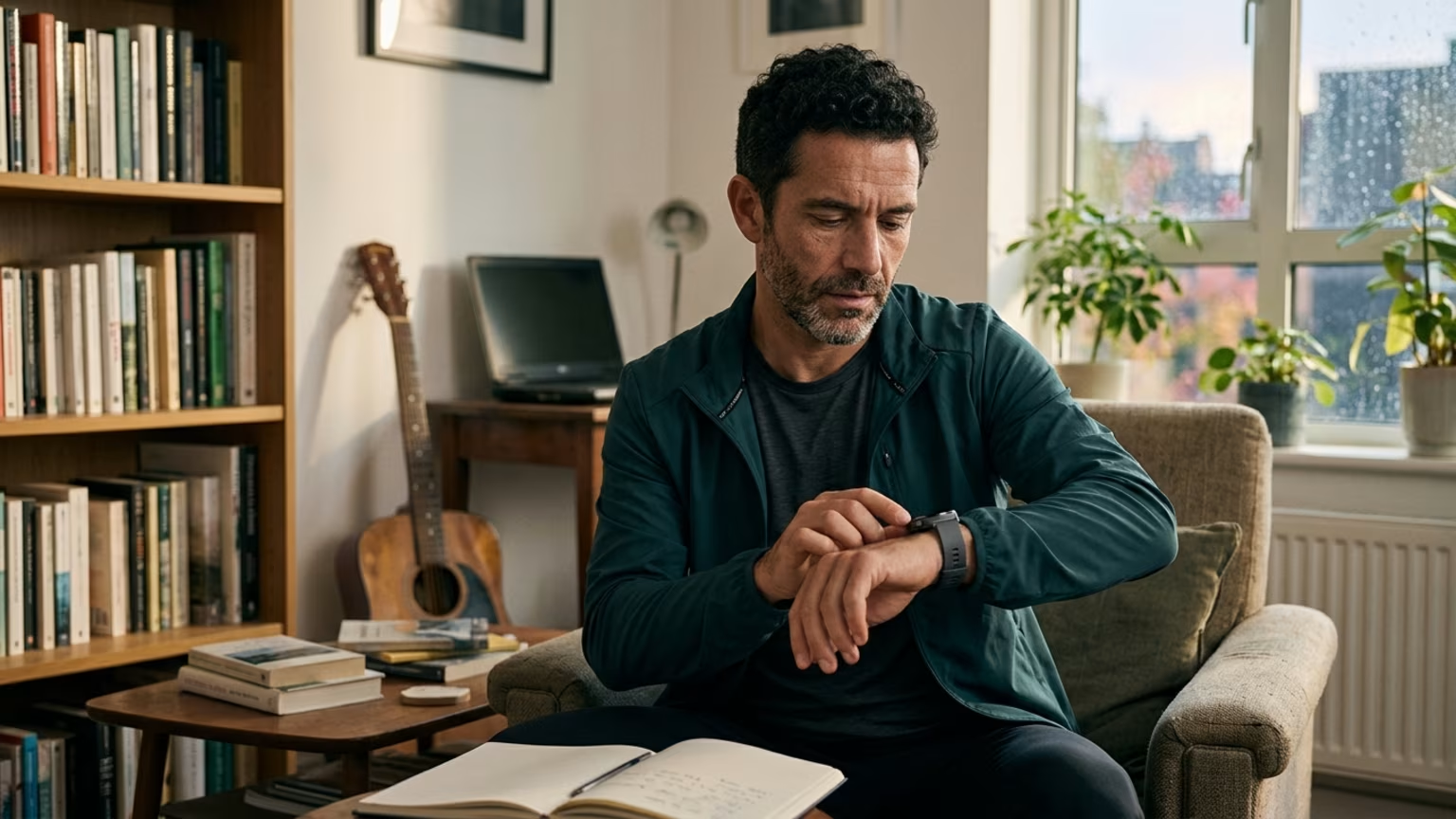

The new HUAWEI WATCH GT 7 Pro introduces a multi-day Physical Readiness score. Adults 35+ can use these integrated metrics to adjust daily recovery habits.





On September 16, 2026, The Filipino Times reported that the new HUAWEI WATCH GT 7 Pro introduces an integrated Physical Readiness feature for early risk awareness. Huawei frames this system as a way to combine sleep quality and stress signals into a single daily score.
The primary finding from these recent reports highlights a shift in how consumer devices interpret physiological data. Huawei says the score analyzes sleep, heart rate, heart-rate variability, activity and stress levels. This calculation occurs after the watch has been worn continuously for three days and nights. Rather than presenting each metric separately, the system combines them into a daily recovery assessment.
The Filipino Times describes the feature as assessing 14 indicators. These factors include sleep quality, heart-rate variability, emotional state and calories burned. A higher score indicates sufficient recovery for the individual wearing the device. A lower score may suggest overexertion or insufficient rest.
Huawei positions the feature as part of an upgraded Health Insights system. This system includes sleep analysis, emotional-wellbeing features and stress-related information. The product page describes emotional-wellbeing monitoring and says the watch tracks 12 emotions. The manufacturer states that emotional-wellbeing data are for reference only and are not intended for medical use.
The integration of emotional state into a readiness metric represents a notable shift in wearable capabilities. The Filipino Times notes this feature assesses multiple indicators, including sleep quality, heart-rate variability, emotional state and calories burned. Tracking 12 distinct emotions offers users a broader view of their daily mental landscape. The manufacturer clearly states that emotional-wellbeing data are for reference only and are not intended for medical use.
This distinction is critical for users seeking to manage persistent stress effectively. Emotional strain often manifests as physical tension, which can negatively impact heart-rate variability and sleep architecture. By viewing these metrics together, adults can better understand the physical toll of psychological stress. This comprehensive view encourages a more holistic approach to managing daily energy reserves.
Consistent battery performance serves as a functional requirement for continuous health tracking. Huawei says the GT 7 Pro offers up to 21 days of battery life under light-use conditions. The official product page lists up to 12 days under typical use. It lists up to seven days with the always-on display enabled.
The device also supports Huawei’s coronary-heart-disease and diabetes-risk assessment studies in applicable markets. The coronary-heart-disease assessment requires a questionnaire, static ECG measurements and multi-day watch wear. The Filipino Times notes this assessment involves watch wear during sleep and daytime activity for three to four days. The official product page states that Health Insights and Physical Readiness are available through an over-the-air update in select markets only.
Understanding the limits of consumer technology remains necessary for adults evaluating their daily habits. Huawei explicitly says its Health Insights results are for reference and should not be used as the basis for medical diagnosis or treatment. The Filipino Times frames the product’s broader direction as a move from continuous monitoring toward early risk assessment, personalized insights and intelligent guidance.
These health features sit between ordinary self-tracking and clinical care. They may help users notice physiological patterns and decide when to review their routines. The manufacturer does not present them as substitutes for comprehensive medical evaluation. This distinction matters deeply for adults navigating low daytime energy or inconsistent nighttime recovery.
Huawei’s own product language says the watch provides "clear, personalised guidance" about staying active or taking time to recharge after three days and nights of continuous wear.
This guidance aligns with the distinct physical challenges faced by adults in their late 30s, 40s and 50s. Navigating a body clock that has grown less flexible over time often requires adjusting daily schedules. Tracking tools can highlight the direct connection between daytime stress and sleep quality. Connecting circadian timing and recovery replaces the habit of treating each wellness topic in isolation.
When a wearable device flags potential overexertion, adults face the practical challenge of adjusting their routines. The most useful way to interpret Physical Readiness is as a pattern-recognition prompt. It is not a definitive health verdict or a medical diagnosis. Users can compare the daily score with their lived experience over a structured timeframe.
This reflection involves tracking actual sleep quality, daytime energy levels and perceived emotional strain. Testing one practical change at a time makes sense if a lower score repeatedly coincides with specific lifestyle factors. Late work hours, heavy caregiving demands or evening screen use often interfere with normal biological rhythms. Identifying these daily triggers provides a clear starting point for sustainable habit modification.
A single poor night of rest may not represent a permanent shift in physiological health. This reality aligns perfectly with the requirement for three days and nights of continuous wear before generating a score. Adults navigating career and household responsibilities frequently experience inconsistent recovery periods. Looking at several days of results provides a clearer picture than reacting to one unusually low metric.
Users should treat heart-rate variability and stress readings as context-dependent health signals. Illness, travel, poor sleep or medication changes can alter how a person feels. These same factors heavily influence how wearable metrics appear on a digital screen. Noting wake times, perceived sleep quality or major stressors helps distinguish a recurring pattern from random variation.
Nighttime arousal frequently impacts daytime functioning for adults navigating midlife stress. Managing the shift from intense daily obligations to evening rest requires establishing clear boundaries. Adjusting evening routines becomes a practical necessity when a smartwatch indicates insufficient rest. Users can create more space between professional work and their intended sleep time.
This adjustment helps address the persistent mental load that makes it hard to switch off. Wearable health metrics often highlight the relationship between evening activities and overnight recovery. Creating a structured transition can reduce the frustration of feeling wired at night. Building these clear off-ramps changes how quickly the mind can settle before attempting sleep.
Wellness content frequently turns rest into another demanding performance target for exhausted adults. Users should avoid chasing a higher digital score by sacrificing normal life activities. Checking an application repeatedly can introduce new sources of persistent anxiety. The goal of tracking is to make physiological patterns easier to notice without creating additional mental burden.
Adults should rely on credible sleep science to build simple and sustainable evening habits. The focus belongs on genuine recovery rather than complex bio-hacking or rigid protocols. Wearables can prompt constructive reflection about workload, sleep timing or exercise intensity. They serve as supportive reference tools rather than rigid instructions for daily living.
Confusion about circadian rhythm and sleep timing often complicates the pursuit of better rest. Midlife shifts in daily circadian rhythms alter normal sleep patterns and daytime fatigue levels. Adults can use integrated readiness scores to assess how light exposure affects their biological clock. Viewing bright light early in the day helps stabilize the internal timing system.
Reviewing morning and evening light habits offers a practical intervention when readiness scores drop. Dimming lights before bed supports the natural biological transition toward deep sleep. Wearable data can reveal how late-night screen use delays recovery and reduces overall sleep quality. Aligning daily habits with natural circadian timing improves the consistency of nighttime rest.
Building a sustainable approach to nighttime rest actually begins during the early morning hours. When a smartwatch indicates insufficient overnight recovery, adults can adjust their morning schedule to support better energy levels throughout the day. Prioritizing immediate exposure to natural daylight helps signal the brain to wake up fully. This simple habit reinforces the natural biological rhythms that dictate evening sleepiness.
Delaying caffeine intake for the first hour after waking provides another practical strategy for managing daily energy. Allowing the body to clear residual sleep chemicals naturally prevents the sharp afternoon fatigue crashes that often follow immediate coffee consumption. Adults can use their wearable data to track how these morning adjustments influence their physical readiness scores over time. Establishing a calm and consistent morning routine ultimately creates a stronger foundation for reliable nighttime recovery.
Adults frequently encounter conflicting advice about caffeine, exercise, naps and their sleep environment. A personalized readiness score can help filter this overwhelming volume of information. The user gains specific insight if a late afternoon coffee correlates with a lower recovery score. This localized data proves more useful than generic wellness claims found across social media.
Testing one variable at a time prevents confusion and reduces the burden of lifestyle modification. Investing in a structured sleep environment serves as a reliable starting point. Adjusting nap durations based on daily fatigue patterns can restore energy without interfering with nighttime sleep. Using wearable trends to validate these small changes builds confidence in personal health decisions.
Feeling tired despite spending enough time in bed remains a common challenge during midlife. A comprehensive readiness metric helps untangle the various factors contributing to low daytime energy. Understanding how persistent stress alters daily energy provides context for why sleep alone might not feel restorative. Persistent mental load can degrade sleep quality, explaining why rest eludes you even when you feel tired.
Identifying the specific sources of fatigue allows for targeted behavioral adjustments. Scheduling short recovery breaks during the workday can prevent accumulated stress from spilling into the evening. Recognizing the difference between physical exhaustion and mental burnout guides appropriate recovery strategies. Integrated tracking tools make these nuanced distinctions easier for adults to observe and successfully manage.
A wearable tool should never be used to explain away persistent physical or mental symptoms. Ongoing insomnia, severe daytime sleepiness or major changes in mood require direct professional attention. The WATCH GT 7 Pro documentation clearly states that its health results should not be used for diagnosis or treatment. Repeated nighttime breathing problems or chest symptoms always warrant a complete medical evaluation.
These smart devices occupy a space between ordinary lifestyle tracking and formal clinical care. They may help users decide when to review their habits or when to consult a physician. The manufacturer explicitly supports keeping the device in a supplementary reference role. Maintaining this distinct boundary helps users apply the personal data safely and effectively.
As consumer technology continues to blend sleep, stress and activity data into unified metrics, will multi-day baselines replace isolated sleep scores in guiding how adults approach their long-term recovery?
When smartwatches like the HUAWEI WATCH GT 7 Pro flag signs of insufficient recovery, translating those alerts into sustainable habit changes requires clear context. Persistent mental load that makes it hard to switch off often drives these lower readiness scores, but our research-led approach replaces performance anxiety with practical transition routines. We help adults separate genuine rest from endless tracking to consistently restore daytime energy. Explore Resources
Stay connected for research-led guidance on sleep quality, stress, circadian rhythm, recovery, fatigue and everyday energy. Clear ideas for adults 35+ who want to sleep better, recover more fully and feel more capable through the day.






Explore practical guidance on sleep, stress and recovery without chasing every new hack, device or promise.
explore the blog