
Morning light, steady sleep timing and dimmer evenings lead a South Island health officer’s advice as B.C. adopts permanent daylight saving time.





On November 1, 2026, CTV News reported that British Columbia would no longer turn its clocks back as the province moved to permanent daylight saving time. In that report, South Island medical health officer Dr. Melissa Wan recommended morning light and a consistent bedtime, alongside dimmer evenings and putting phones away at night.
Wan’s main message was about the shape of an ordinary day: seek light in the morning and make the evening less bright. Her recommendations centered on familiar activities rather than supplements or a complicated intervention. For someone trying to make sense of seasonal sleep advice, that gives the discussion a practical starting point without creating a shopping list.
Wan described morning light as a regulator of circadian rhythm, often called the body clock. Her examples included using artificial light at home or having breakfast near a window. The advice was not limited to an outdoor activity that might be difficult to fit around work or caregiving. It included opportunities already present in a morning at home.
The policy context matters. CTV reported that permanent daylight saving time would bring darker winter mornings and brighter evenings compared with turning the clocks back. The decision about which time system a province follows is separate from the question of how residents organize their days. Wan’s advice addressed that everyday question through light and routine.
A separate American Academy of Sleep Medicine statement recommends keeping a consistent schedule and seeking morning light around the fall time change. It also recommends prioritizing sleep and adjusting bedtime gradually. That statement concerns adjustment around a clock change rather than a direct assessment of British Columbia’s policy. Its practical overlap with Wan’s advice is a steady schedule with attention to morning light.
These recommendations are supportive habits, not established treatments for a sleep disorder. The CTV story does not demonstrate that they prevent insomnia or other health problems. Wan’s reported advice also provides no required light duration or brightness and no universal screen cutoff. Those are the boundaries of the guidance: a practical direction for daily habits rather than a precisely tested personal prescription.
For an adult aged 35 to 65, the useful translation is a recognizable sequence: morning light, reasonably steady sleep timing and a less bright evening. Work starts and family responsibilities will shape what is feasible. The aim is to find where the reported advice fits within those commitments rather than build an elaborate routine around them.
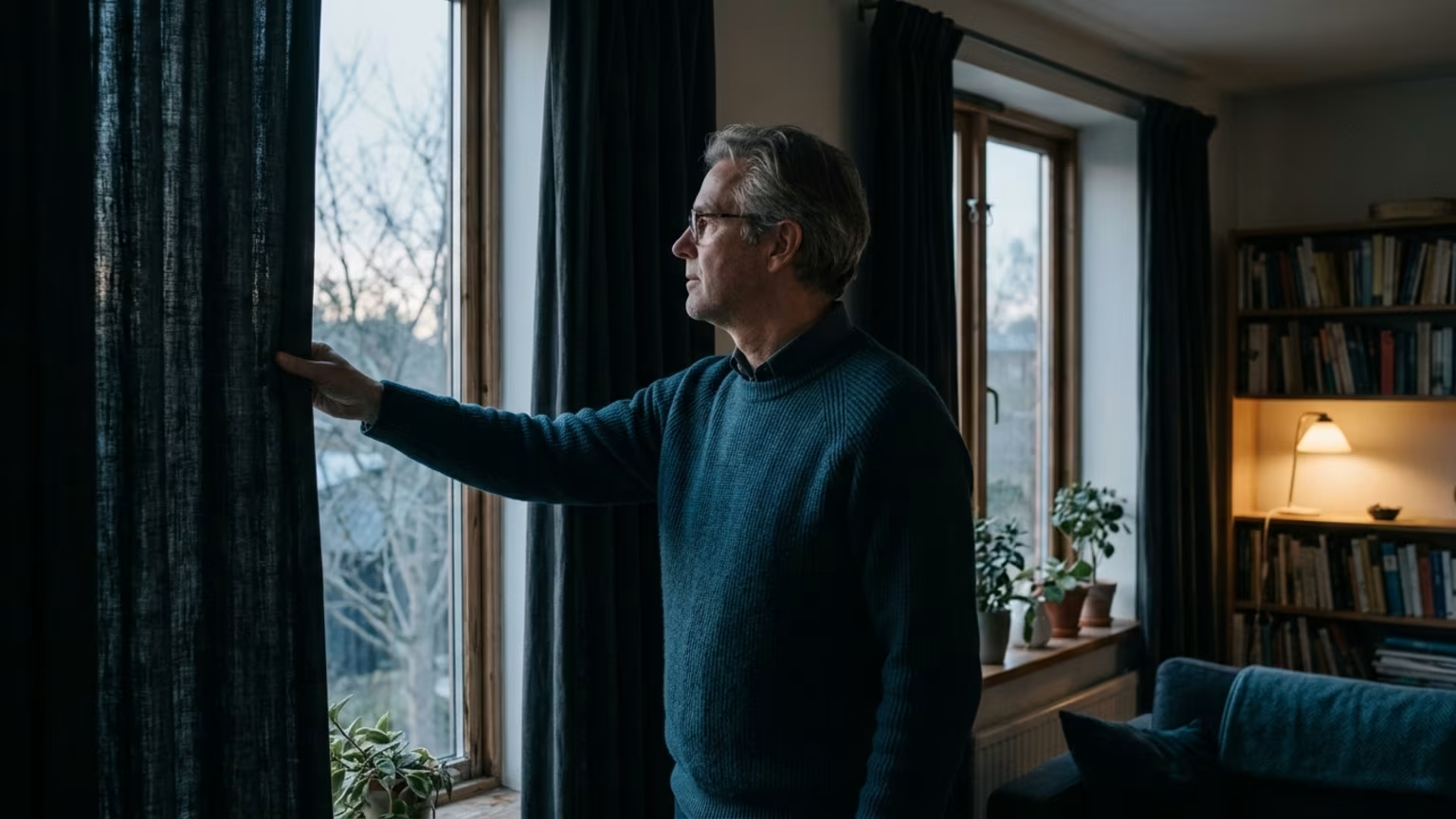
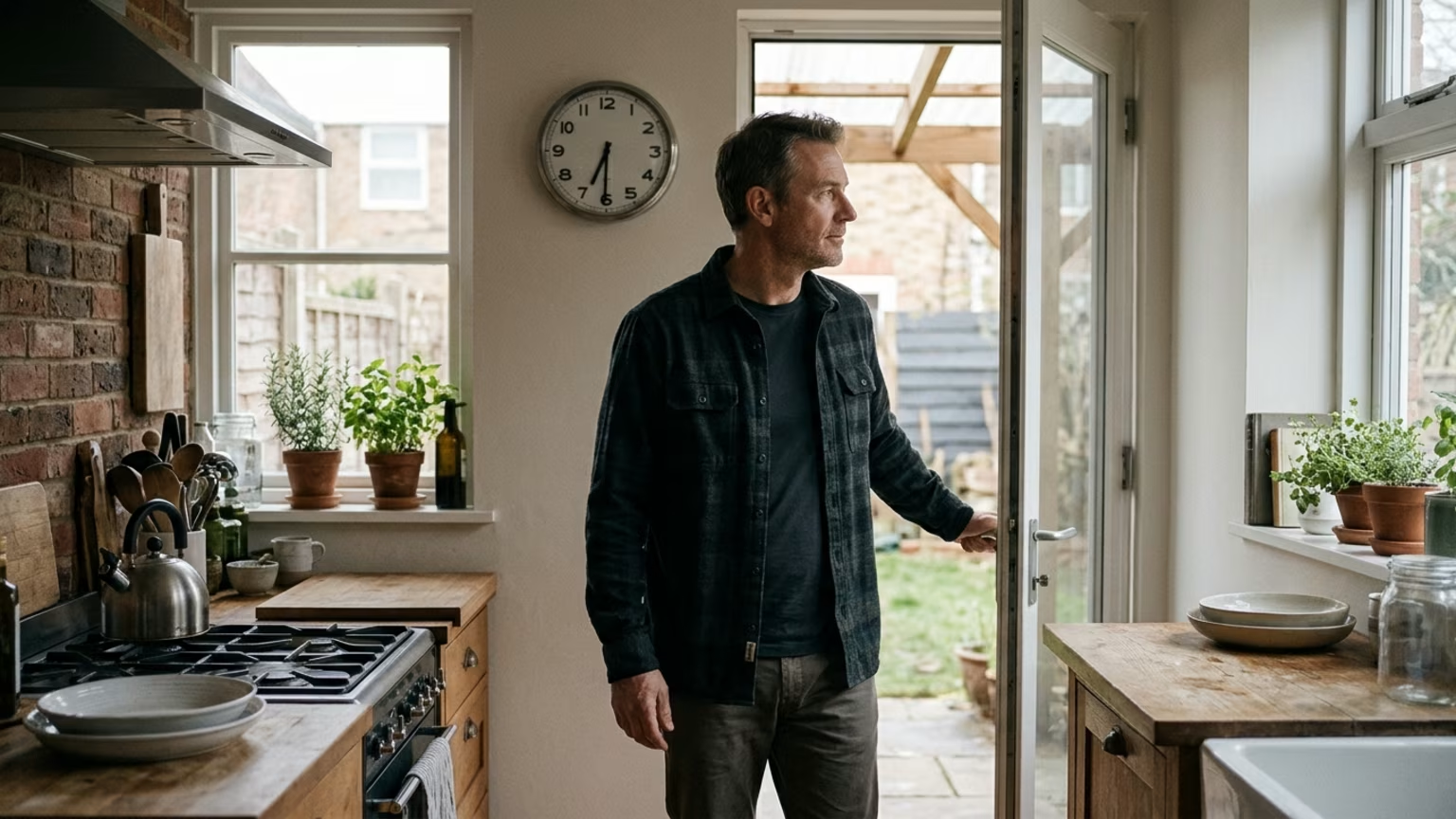
Wan’s examples allow the morning cue to sit alongside something already happening. Opening the curtains, turning on household lights or eating breakfast near a window are the practical options described in the research. A morning routine can begin with those ordinary choices rather than with a search for specialized equipment.
The useful question is where light belongs in the morning that actually exists. Breakfast near a window may fit one household. Turning on lights after waking may be the more workable option in another. These are examples from the guidance, not a ranking of which approach delivers the strongest effect.
Making room for morning light within a real-world schedule keeps the focus on daily life. Nothing in Wan’s reported recommendations makes a new device or supplement part of the task. Her advice starts with the surroundings and activities people already have available.
Wan recommended a consistent bedtime. The American Academy of Sleep Medicine also recommends a steady wake schedule around the time change. Taken together, those recommendations put attention on both ends of the sleep period rather than on bedtime alone. They offer a practical alternative to repeatedly moving the schedule around in response to darker mornings.
For a working parent or caregiver, consistency needs to fit actual obligations. The guidance is not a reason to judge every late evening as a failure. A reasonably stable pattern is the relevant idea, not a perfect record. This is a way of organizing an ordinary week rather than turning sleep into another performance measure.
The AASM’s advice also includes prioritizing sleep. Schedule consistency should therefore be read alongside adequate opportunity for rest, not as an argument for shortening it. The broader discussion of keeping sleep timing consistent belongs with that practical balance rather than a single bedtime that everyone is expected to follow.
Wan’s evening recommendations were direct: dim the lights and put the phone away at night. These are related parts of her advice, but they are distinct actions. One concerns the brightness of the surroundings. The other concerns whether phone use remains part of the last part of the evening.
For someone whose evening is already crowded, that distinction keeps the adjustment understandable. There is no need to turn the recommendation into a complete redesign of the home. The reported actions are to make the lighting dimmer and set the phone aside. A purchase or a complicated sequence is not part of Wan’s advice.
It is also useful to keep evening lighting and phone habits in the same conversation. Wan addressed both rather than presenting a screen setting as the whole answer. The practical focus remains the evening environment and the place of the phone within it, not a new technical target to monitor.
The American Academy of Sleep Medicine includes gradual bedtime adjustment in its fall time-change guidance. That recommendation belongs to the context of changing clocks. British Columbia residents reading the CTV report were facing a different situation: their clocks would stay put. The shared advice about routine does not make those circumstances identical.
For readers elsewhere who are adjusting around a fall clock change, gradual adjustment is part of the AASM’s approach alongside morning light and adequate sleep. It is not presented as a single intervention that replaces the rest of the routine. The recommendations work as a group of practical considerations rather than competing fixes.
For B.C. readers, the news story does not create a reason to impose a large bedtime shift simply because the time policy changed. Wan’s own emphasis was consistency. Keeping that distinction clear prevents a straightforward recommendation from becoming an unnecessary personal schedule overhaul.
These habits do not need to become a test of whether someone is trying hard enough. A person can take the advice seriously without treating every tired afternoon or difficult night as evidence of poor discipline. The practical task is to understand the recommendations and decide how they fit ordinary responsibilities.
When sleep difficulties persist or daytime functioning is substantially affected, decisions belong in a conversation with a qualified clinician. Morning and evening habits can be part of that discussion. They need not carry the entire explanation for what someone is experiencing or become a reason to postpone asking for help.
Wan’s recommendations place ordinary surroundings and daily timing at the center of this seasonal discussion. The immediate focus is manageable: light after waking, a steady sleep schedule and a dimmer evening with less phone use. The longer-term question is how much attention those everyday conditions receive when people think about recovery.
As darker winter mornings become part of daily life under British Columbia’s policy, could approaches to midlife recovery give more attention to workable light cues and sleep timing rather than increasingly complicated routines?
Once morning light and steadier evenings have a place in the day, sorting competing circadian claims becomes the next task; Relaxopia provides research-led editorial context. For adults 35+ confused about light exposure and sleep timing, its coverage connects those questions with everyday rest to make conflicting advice easier to understand without adding a rigid routine.
Stay connected for research-led guidance on sleep quality, stress, circadian rhythm, recovery, fatigue and everyday energy. Clear ideas for adults 35+ who want to sleep better, recover more fully and feel more capable through the day.




Explore practical guidance on sleep, stress and recovery without chasing every new hack, device or promise.
explore the blog