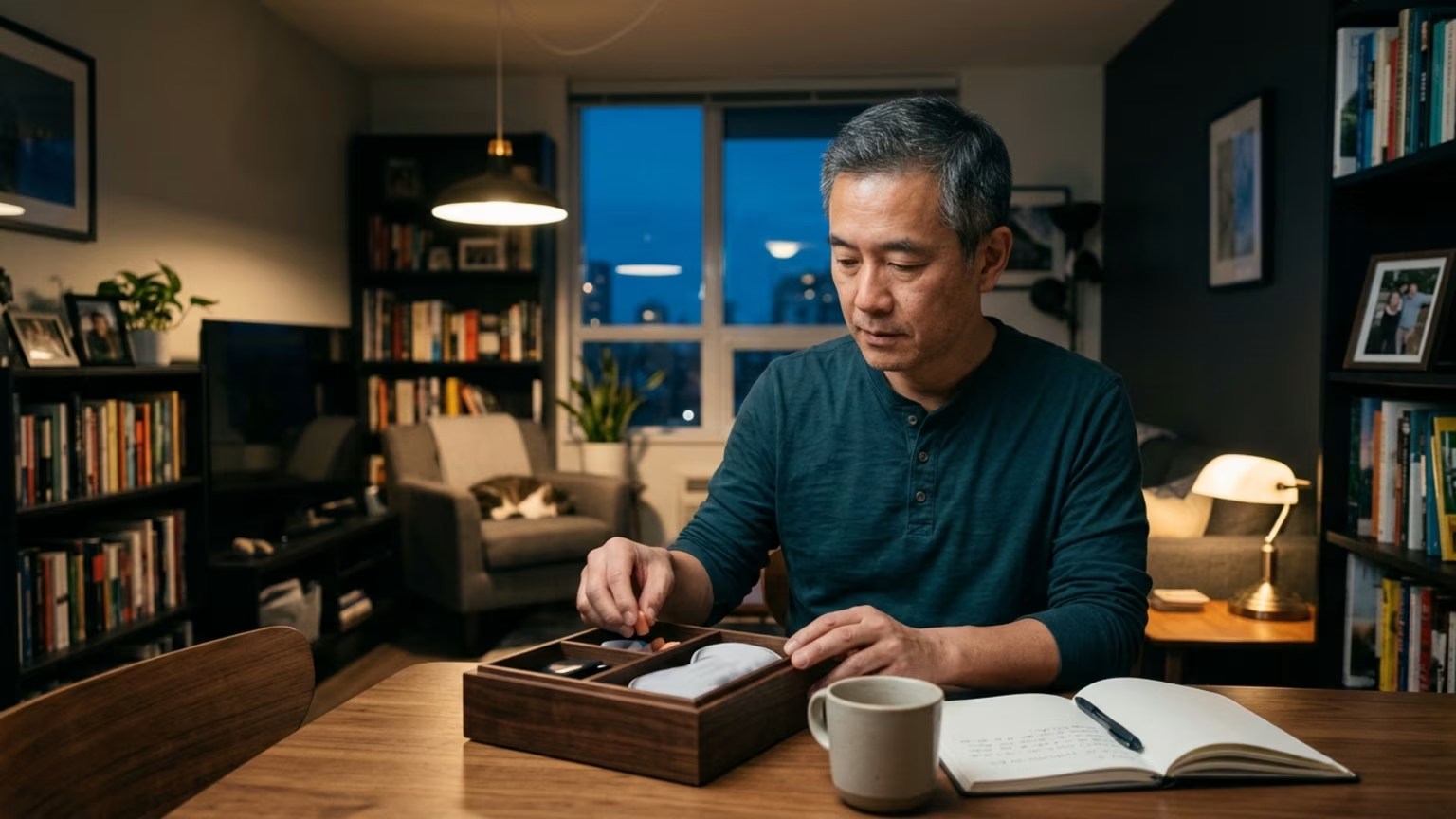

Use this practical bedroom audit framework to improve your rest. Address light, noise, and temperature disturbances without buying an expensive room makeover.





What should you change first in your bedroom to get better rest? The most effective step is to identify the specific disturbance that wakes you up rather than buying a complete room makeover. Many tired adults assume they need expensive cooling systems or entirely new mattresses when they struggle to stay asleep. Recent evidence points toward a much more targeted approach.
A recent two-week study of 372 young adults examined daily links between bedroom temperature, light, noise and sleep. Researchers measured these factors using daily reports alongside wrist actigraphy. They found that specific environmental complaints correlate strongly with distinct sleep problems. This supports treating the sleep environment as a collection of separate variables rather than one generic category.
Adults often attempt to optimize everything at once by overhauling their entire bedroom. This broad approach makes it impossible to determine which specific change actually helped your resting heart rate or wake times. A smarter framework begins with observing the precise physical sensations you experience during the night. By testing one variable at a time, you can figure out what your body actually needs.
Poor rest often stems from specific environmental triggers that interfere with your natural recovery process. When adults over 35 wake up tired, the root cause is frequently a mismatch between their physical space and their biological needs. Understanding these triggers helps you target your efforts effectively. A disturbance that completely derails one person might barely register for someone else.
Temperature is a common physical trigger for nighttime awakenings. In the observational study mentioned above, participants who reported that their room was too hot also showed more wake time after sleep onset. Excess heat makes it difficult for the body to maintain the lower core temperature required for restorative rest. This thermal stress fragments your recovery over the course of the night.
Light exposure and noise act as direct arousal signals to the brain. Overly bright sleeping environments are associated with poorer reported sleep and later sleep timing. The study found that participants reporting excessive indoor noise tended to have poorer sleep-maintenance measures. Sudden sounds or shifting light levels can pull the brain out of deeper rest stages.
Poor ventilation is another physical factor that can degrade next-day functioning. A separate field study reported better sleep and next-day alertness outcomes under lower carbon dioxide conditions. Stale air can leave you waking with a heavy head or lingering morning grogginess. High carbon dioxide levels often indicate a lack of fresh airflow throughout the night.
Changing your sleep space is a process of observation that takes two to three weeks to measure properly. You should test one major variable at a time for at least three to five nights. This timeframe allows you to separate random bad nights from a true environmental improvement. Adjusting too many things at once makes it impossible to know what actually helped.
If you adjust your bedroom lighting today, you might notice a difference in sleep onset within just a few days. Temperature changes can yield rapid shifts in perceived comfort. You should track your sleep continuity and next-day functioning over a longer period. Give each new habit a full week before deciding if a low-cost intervention is worth keeping.
A realistic timeline prevents the frustration of expecting immediate results from a single new habit. Some environmental adjustments improve your subjective feeling of rest without changing measurable biometric data. Documenting your perceived sleep quality alongside your final wake time provides a clearer picture of your progress. The goal is steady improvement over a few weeks.
It is completely normal to abandon an environmental change if it provides no noticeable benefit after a week. The recent evidence highlights meaningful individual variation regarding temperature and environmental sensitivity. Trusting your own tracking data saves you time and prevents unnecessary frustration. An effective audit focuses entirely on what actually works for your specific home.
You can start a simple bedroom audit tonight without purchasing any new equipment. The goal is to connect specific symptoms with one reversible test at a time. The Sleep Foundation recommends a bedroom that is cool, quiet and dark. You can read our guide on blocking unwanted nighttime illumination to understand how to adjust your space.
Start by assessing your nighttime light exposure. Look for streetlights, illuminated clocks, chargers or hallway light bleeding into your room. The recent observational study associated overly bright sleeping environments with poorer reported sleep and later sleep timing. Try repositioning your bed or covering small indicator lights with tape to test whether unwanted brightness is a meaningful disturbance.
Next, focus on masking unpredictable sounds that might wake you. Unpredictable sounds often include traffic, household pets or a partner's movements. If these noises wake you up, move your bed away from shared walls or try sealing obvious gaps. You can introduce steady background sound to mask intermittent noise and reduce awakenings without creating a new source of stimulation.
Test simpler cooling methods before buying a specialized cooling bed. Assess if you wake up hot or throw off your covers during the night. A recent review found that randomized cooling-bedding studies have not yet shown consistent improvements in major sleep outcomes. Try lighter pajamas or lower the room thermostat, and review our guidelines on setting your room thermostat to find a comfortable baseline.
Evaluate your room ventilation if you wake up with a stuffy nose or grogginess. Signs of poor air quality include condensation on windows, poor airflow, strong odors or waking with a dry throat. Try airing out the room during the day when outdoor conditions are suitable. Current evidence supports investigating ventilation, but it does not establish one magic carbon dioxide threshold or guarantee that opening a window will improve deep sleep.
Outdoor pollution or seasonal allergies might make open windows impractical for your specific situation. You can review our advice on managing indoor respiratory exposure for alternative ways to manage your indoor environment. A monitor can serve as an optional diagnostic tool rather than a required purchase. The goal is to identify a ventilation pattern that keeps you comfortable throughout the night.
Check your physical comfort by examining your pillow height, mattress sagging and pressure points. Make one change at a time, such as adjusting pillow height or trying a mattress topper, so you can identify what actually helped. In a small randomized crossover trial of 34 healthy adults, a temperature-controlled mattress cover improved perceived sleep and thermal comfort, but not objective sleep measures. Subjective comfort still matters greatly for adults dealing with physical stress or changing joint needs.
Consider removing work materials or laundry piles if you feel mentally activated at bedtime. Visual clutter is not a clinically proven cause of insomnia, but clearing it is a sensible low-risk experiment. Removing visible stress cues can help you relax without requiring a perfectly minimalist aesthetic. A calmer visual space might simply serve as a better cue for rest.
A bedroom audit cannot fix clinical sleep disorders or underlying medical conditions. You should seek a medical evaluation if you experience persistent insomnia, loud snoring or witnessed breathing pauses during the night. Severe daytime sleepiness and restless legs also require professional assessment rather than more environmental tweaking. The physical environment is only one part of the recovery equation.
The American Academy of Sleep Medicine pairs environmental improvements with consistent scheduling, a wind-down routine and clinical help when persistent pressures interfere with sleep. Adults over 35 often experience shifting health needs that overlap with nighttime awakenings. Chronic pain, changing hormone levels or severe anxiety will not resolve simply by lowering the thermostat. A physician can help you identify whether a medical issue is blocking your ability to rest.
It is easy to misinterpret underlying medical issues as simple environmental problems. If you consistently wake up gasping for air, changing your pillow will not resolve the issue. Sleep apnea and similar conditions require targeted medical intervention. Addressing these root causes with a professional is far more effective than endlessly adjusting your room temperature.
Optimizing your room is only the first step in stabilizing your nightly recovery. Once you have addressed light, noise and temperature, you should evaluate your daily behavioral habits. A quiet room works best when your body is biologically prepared for rest. The timing of your meals, your evening light exposure and your wake times all play a role in how tired you feel at night.
We recommend reviewing our framework for prioritizing sleep interventions to build a more comprehensive recovery strategy. Your environment and your habits must work together to support long-term energy. Consistent routines often amplify the benefits of a well-designed physical space. Taking a step-by-step approach prevents the process from feeling like another demanding performance target.
Building a sustainable routine takes time and patience. You do not need to overhaul your entire life in a single weekend. Small, consistent adjustments to your environment and behavior will yield better long-term outcomes than extreme optimization protocols. Focus on the simple, observable changes that make your nights feel a little easier.
Addressing environmental disturbances often leaves tired adults overwhelmed by the sheer volume of expensive consumer sleep products. Evaluating which low-cost bedroom adjustments actually make a difference requires separating basic subjective comfort from objective clinical evidence. Relaxopia translates the physiological research behind sleep environments so you can address low daytime energy and inconsistent recovery without purchasing unnecessary technology.
Stay connected for research-led guidance on sleep quality, stress, circadian rhythm, recovery, fatigue and everyday energy. Clear ideas for adults 35+ who want to sleep better, recover more fully and feel more capable through the day.






Explore practical guidance on sleep, stress and recovery without chasing every new hack, device or promise.
explore the blog