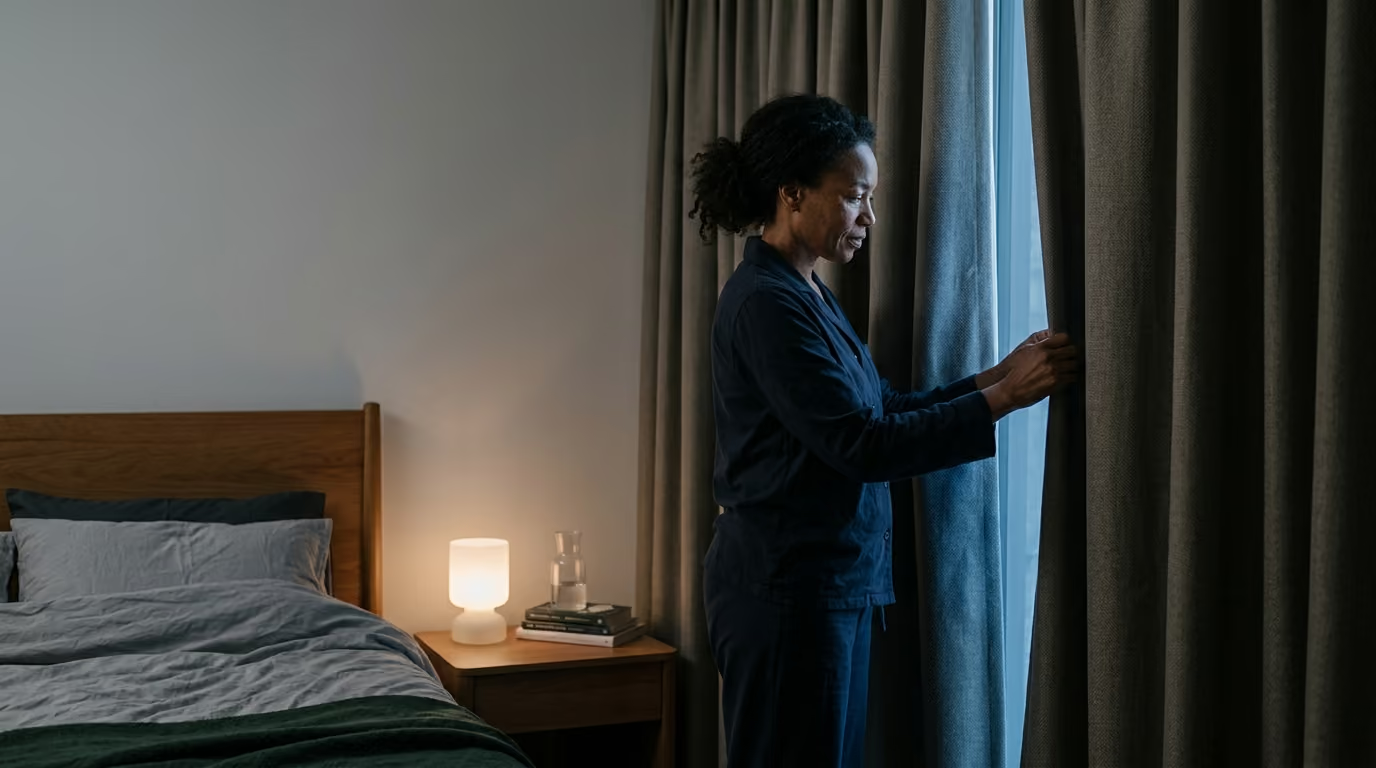

Exposure to 200 lux of evening light alters melatonin timing and sleep quality, making blackout curtains or eye masks essential bedroom tools.





Managing light in the bedroom is the practical practice of controlling visual and non-visual light exposure before and during sleep. It is not an effort to create a laboratory vacuum or an all-or-nothing blackout standard. Instead, bedroom light management aligns external illumination with human circadian biology while preserving safety, mobility, and caregiving needs.
Many adults assume that bedroom darkness is simply a personal comfort preference. Research shows that light exposure acts as the primary environmental cue synchronizing the human biological clock. Controlling this signal helps support natural melatonin patterns, continuous sleep, and consistent daytime restfulness.
This guide provides a research-led analysis of bedroom light management. It covers the physiological impact of evening light, the mechanics of window treatments and eye masks, screen habits, fall prevention for older adults, caregiving adjustments, and seasonal daylight shifts. The core framework is straightforward: protect darkness during intended sleep, reduce bright light exposure before bed and after nighttime awakenings, and preserve clear daylight exposure during waking hours.
Credible research confirms that environmental light directly alters sleep timing, hormone production, and physiological recovery. The evidence base includes controlled laboratory trials, real-world observational studies, and expert consensus guidelines.
Laboratory research demonstrates that ordinary room lighting before bed suppresses melatonin and delays its internal signal. In controlled trials, exposure to typical room light below 200 lux in the hours before bedtime delayed melatonin onset in 99 percent of participants. This exposure shortened the total duration of nighttime melatonin production by roughly 90 minutes compared to dim light conditions. When room lighting continued throughout the usual sleep period, median melatonin suppression reached 73.7 percent.
Real-world observational studies show that household lighting alters circadian timing outside laboratory settings. Research monitoring adults in their homes found that a week of higher evening light exposure delayed dim-light melatonin onset by an average of 1 hour and 3 minutes compared to a week of lower evening light exposure. This shift occurs under standard residential lamps rather than specialized bright fixtures.
Large population data indicates a consistent link between nighttime light exposure and disrupted rest. A systematic review of seven studies involving 577,932 participants found that higher light exposure at night was associated with a 22 percent higher prevalence of sleep problems. While observational data shows correlation rather than direct causation, acute laboratory studies support the physical mechanism. Sleeping under moderate ambient light of 100 lux for a single night increased heart rate, lowered heart-rate variability, and elevated morning insulin resistance compared to sleeping in dim light below 3 lux.
The evidence confirms that evening room light and overnight light pollution alter internal physiology. The practical strength of these findings rests on consistent results across biological markers, individual sleep trackers, and population-level health data.
Light affects the brain through specialized cells in the retina that connect directly to the suprachiasmatic nucleus. This brain region acts as the central master clock. It controls body temperature, cortisol release, and melatonin secretion across a 24-hour cycle.
Sleep regulation depends on two distinct processes: homeostatic sleep pressure and circadian timing. Sleep pressure builds continuously during waking hours, creating physical fatigue. Circadian timing determines when the body expects to sleep or remain alert based on light signals. When bright evening light enters the eye, the central clock receives a false daytime signal. This signal delays the release of melatonin, making it difficult to fall asleep even when physical sleep pressure is high.
Disrupted bedroom light patterns alter daytime alertness, focus, and recovery. Delayed melatonin onset shifts your biological clock later, creating a misalignment between internal readiness and external daily schedules. Adults who experience this delay often report feeling groggy in the morning and unrefreshed during the day. Understanding how these biological systems interact can help explain why midday exhaustion occurs after nights with excessive room light, as detailed in this analysis of evening energy rebound and biological timing.
For adults over 35, circadian signals naturally become weaker, and sleep architecture becomes more fragile. Deep sleep stages decrease, making a person more sensitive to brief light exposures from passing traffic or outdoor security lamps. Managing light in the bedroom protects fragile sleep architecture and stabilizes daytime energy levels. You can read more about tracking daily physical recovery in the guide to energy, fatigue, and daily performance.
The biological effect of light is not a simple matter of a light being on or off. Several physical variables change how the brain responds to environmental illumination.
Intensity describes how much visual light reaches the eye. Standard visual lux measures light based on human visual perception. Biological responses, however, depend heavily on melanopic illuminance. Melanopic measures calculate light sensitivity based on intrinsically photosensitive retinal ganglion cells, which govern circadian responses.
Expert recommendations state that ambient light during the primary sleep period should remain below 1 melanopic lux at the eye. When nighttime activities require vision, task illumination should remain below 10 lux measured at eye level.
Short-wavelength light, commonly referred to as blue light, produces a strong alerting response in the brain. Sunlight, television screens, smartphones, and cool-white LED bulbs emit high amounts of short-wavelength light. Long-wavelength light, such as amber or red tones, stimulates circadian photoreceptors much less. Warm-toned lighting is less disruptive during evening wind-down routines and nighttime bathroom visits.
The hour of light exposure determines its biological impact. Light received during the late evening delays the biological clock, pushing sleepiness later. Light received early in the morning advances the biological clock, pulling sleepiness earlier.
Exposure duration also changes the physiological response. Continuous room lighting creates sustained melatonin suppression, whereas brief light exposures produce smaller circadian shifts.
Direction matters because photoreceptors are distributed across the retina. Ceiling fixtures that shine straight down into the eyes create a stronger alerting signal than shielded fixtures positioned low near the floor.
Bedroom light management is a continuous evening practice rather than a single action taken right before turning out the lights. Dividing the night into distinct phases helps clarify when darkness is most critical.
Dimming household lighting two hours before bed allows natural melatonin levels to rise. Overhead ceiling lights should be turned off in favor of low-standing floor lamps with warm bulbs. Reducing brightness during this window helps align internal circadian timing with your target sleep schedule. Detailed guidance on aligning these schedules appears in the guide to circadian rhythm and sleep timing.
The first four hours of sleep contain the highest concentration of deep, slow-wave sleep. Unplanned light signals during this phase, such as outdoor traffic glare or hallway lights, can trigger micro-arousals. Micro-arousals elevate heart rate and shift the brain into lighter sleep stages without full conscious awakening. A consistently dark space prevents these physical disruptions.
Waking up during the night to use the bathroom or care for a family member requires careful light control. Flipping on a bright overhead bathroom light rapidly suppresses circulating melatonin and signals daytime alertness to the brain. Using low-level, floor-focused lighting allows safe movement without resetting the biological clock.
Early morning light can work for or against your sleep schedule depending on your goals. Early sunlight helps advance the clock for individuals who struggle to wake up on time. Conversely, early dawn light entering through unshaded windows can prematurely shorten sleep for night-shift workers, late sleepers, or those resting in northern latitudes during summer months.
Blocking external light usually involves window treatments, personal eye covers, or a combination of both. Each option offers specific physical advantages and structural limits.
Blackout curtains and roller shades use densely woven or coated fabrics designed to block external light. They protect the entire bedroom from streetlights, commercial signage, and early morning sun.
Window treatments alone do not block indoor light sources like hallway illumination, charging lights, or screens. They also leave small gaps at the top and sides unless fitted with specialized return tracks.
Eye masks provide direct light control at the eye level. They offer a flexible solution when window treatments are impractical, such as during travel or when sharing a room with someone on a different schedule.
A clinical laboratory study showed that wearing an eye mask during overnight sleep improved next-day learning performance, episodic memory encoding, and psychomotor vigilance. By shielding the retina from ambient light variations, eye masks help stabilize overnight sleep quality.
Selecting a functional eye mask requires evaluating several design details:
Eye masks can slip during side sleeping or cause discomfort in hot environments. Individuals with dry eyes, skin sensitivities, or claustrophobia may prefer focusing on room-level light solutions instead.
Electronic devices present a dual challenge for sleep. They generate direct visual light and deliver highly stimulating content that increases cognitive arousal.
Managing device light involves evaluating five distinct factors:
Practical strategies to lower device light exposure include:
Addressing mental stimulation alongside screen light is essential for sleep quality. Practical strategies for managing bedtime mental load are available in this guide to reducing bedtime mental overload. More tips on organizing technology can be found in our section on sleep environment, habits, and technology.
Striving for total blackout conditions can create safety hazards for older adults, caregivers, and parents of young children. Darkness management must preserve clear vision for safe nighttime movement.
For older adults, complete darkness significantly increases the risk of tripping, falling, and physical injury during night trips to the bathroom. Age-related eye changes require more light to navigate spaces safely, while the biological clock remains sensitive to bright glare.
A safe nighttime lighting plan balances darkness and navigation:
Caregivers who wake to feed infants, assist children, or administer medication need sufficient light to complete tasks safely without waking themselves or others up completely.
Infant safe-sleep recommendations require distinct attention. The American Academy of Pediatrics recommends that infants sleep in the same room as parents on a separate, firm, flat surface for at least the first six months. While room-sharing is vital for infant safety, ambient light during night feedings should remain as dim as practical to help both parent and infant return to sleep smoothly.
Changes in sunrise times, sunset times, and daylight duration affect household light exposure across the year. Latitude plays a significant role in how season affects sleep duration and timing.
A 2025 cross-latitude analysis showed that adults living at northern latitudes between 30 degrees and 90 degrees slept 15 to 25 minutes longer during winter months than in summer. Near the equator, between 0 degrees and 30 degrees latitude, the seasonal sleep difference averaged roughly 10 minutes.
Summer brings earlier sunrises, later sunsets, and extended evening hours of natural light. These shifts can delay natural sleep onset and wake sleepers early in the morning.
Winter brings delayed sunrises, early evening darkness, and reduced total daylight exposure. Extended indoor time increases reliance on bright artificial lighting during dark winter evenings.
Shift workers must sleep during natural daytime hours when ambient light and outdoor noise peak. Managing light for shift workers involves using blackout shades, wearing dark sunglasses during the morning commute home, and using an eye mask to protect daytime sleep. Clinical parameters from the American Academy of Sleep Medicine highlight that managing light timing is critical for treating shift-work circadian misalignment.
Auditing your sleep environment helps identify light leaks, screen distractions, and safety hazards. Use this four-step checklist to systematically evaluate your room.
Combining light management with established sleep hygiene practices builds a resilient rest routine. Learn more about long-term sleep habits in our guide on practical habits for persistent insomnia, and discover broader health guidance at Relaxopia's Sleep, Stress & Recovery hub.
While the core principles of light and circadian timing are well supported, scientific research contains clear limitations that prevent absolute rules.
Much of the data on light exposure and sleep problems comes from observational cross-sectional studies. These studies show a clear statistical link between light at night and disrupted rest, but they cannot prove that light was the sole cause. Individuals exposed to higher urban light levels often experience elevated environmental noise, varied work shifts, and higher overall stress.
Laboratory trials on melatonin suppression typically use controlled, high-intensity light protocols over short periods. These acute laboratory conditions do not always match the variable, low-level light patterns seen in real-world homes. Individual light sensitivity also varies widely based on age, eye color, lens clarity, and genetics. Light levels that disrupt one person may have minimal effect on another.
Finally, consumer wellness products like blue-light blocking glasses, specialized sleep lamps, and tracking wearables are often marketed with sweeping claims that outpace current peer-reviewed evidence. Reducing overall room brightness and removing screen distractions remains more effective than relying entirely on specialized eyewear or expensive sleep gadgets.
Adjusting bedroom light can improve environmental sleep quality, but it does not resolve primary sleep disorders or underlying health conditions.
Consider speaking with a healthcare professional or sleep specialist if:
A physician can evaluate potential clinical sleep disorders, review medication side effects, and offer targeted therapies tailored to your specific health history.
Managing light in the bedroom is about creating a clear contrast between daytime bright light and nighttime dimness. By protecting darkness during sleep while maintaining safe pathways for nighttime movement, you support your natural circadian rhythms and build a foundation for reliable, restorative rest.
Blue-light blocking glasses reduce short-wavelength light reaching the eyes, but they do not alter total light brightness or remove cognitive stimulation from screen content. While warm-tinted eyewear can lower circadian disruption from bright indoor lights, dimming room lights and keeping the bedroom dark remains more effective for supporting sleep quality.
A low-intensity night-light positioned near floor level does not significantly suppress melatonin or disrupt deep sleep architecture, provided it remains below 10 lux and uses warm red or amber tones. Floor-level night-lights enhance safety for older adults and caregivers, making them a practical, low-risk tool when complete darkness presents a fall hazard.
Absolute darkness is not strictly necessary for every individual. While blocking bright outdoor streetlights and screen flashes helps protect sleep continuity, moderate low-level lighting is often required for physical safety. The goal for adults over 35 is maintaining a sleeping environment that is dark enough to protect deep sleep while bright enough to allow safe navigation when needed.
Melatonin production begins recovering within 30 to 60 minutes after moving from bright light into dim light or total darkness. However, exposure to bright overhead lighting late in the evening shifts the central clock later, delaying the overall timing of melatonin release for that night and potentially altering sleep patterns for several days.
Stay connected for research and practical guidance on sleep, stress, circadian rhythm and recovery. Clear ideas for adults 35+ who want better rest, steadier energy and more resilient days.



Explore practical guidance on sleep, stress and recovery without chasing every new hack, device or promise.
explore the blog