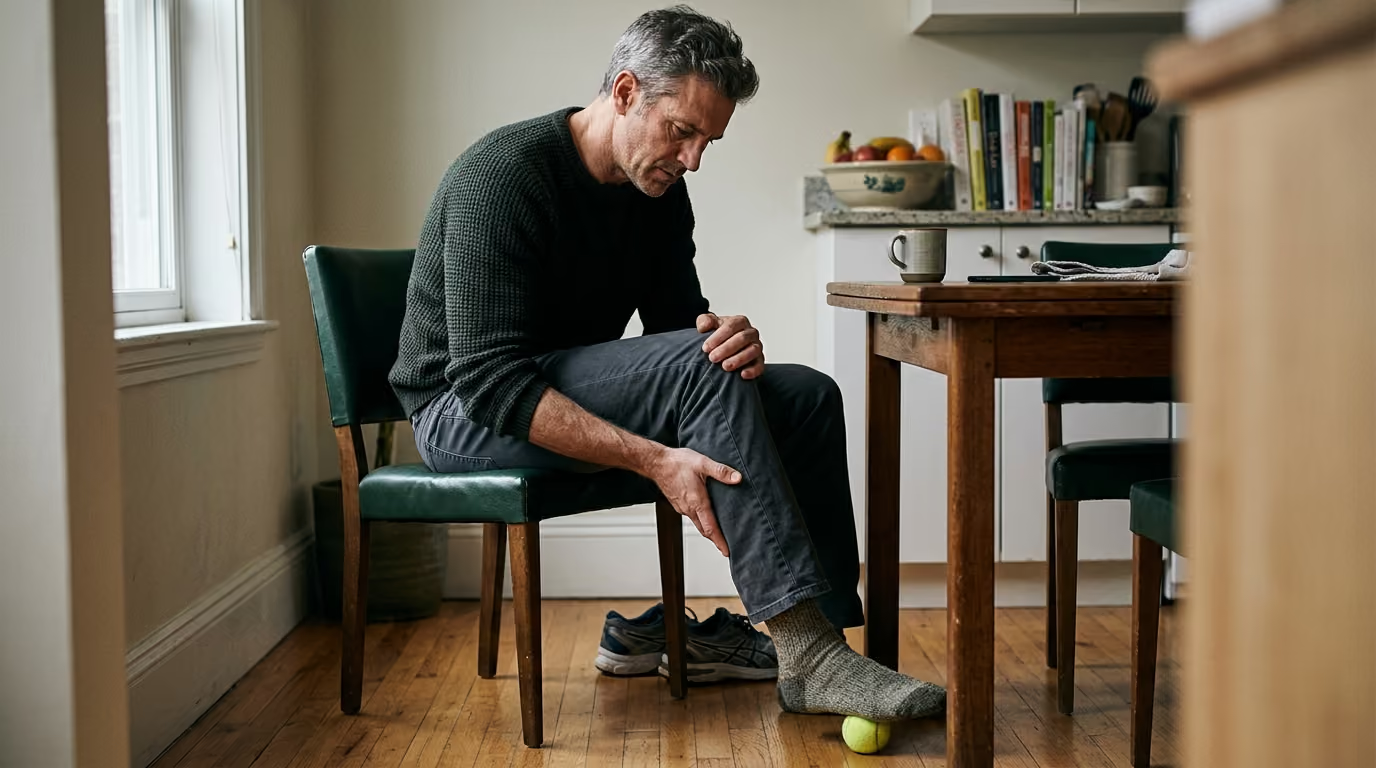

Seven practical pacing steps guide individuals recovering from post-infection fatigue to avoid boom-and-bust cycles, protect daily energy, and resume normal activities safely.





Post-illness fatigue is a persistent state of lowered physical, cognitive, and emotional capacity following an infection. It is not simple deconditioning, lack of willpower, or ordinary sleepiness. While acute tiredness usually resolves with straightforward rest, post-illness fatigue can linger for weeks or months. It often responds poorly to traditional exercise advice.
This guide provides a research-led framework for understanding prolonged fatigue, recognizing post-exertional symptom worsening, and applying activity pacing safely. You will learn how your physiological systems respond during recovery, how to stabilize your daily energy baseline, and when to seek clinical care.
Fatigue is one of the most common symptoms reported after viral and non-viral infections. Research demonstrates that prolonged exhaustion can follow conditions such as mononucleosis, influenza, Q fever, and COVID-19. Medical organizations, including the National Institute for Health and Care Excellence (NICE) and the Centers for Disease Control and Prevention (CDC), recognize post-infectious fatigue as a real physiological state.
A systematic review and meta-analysis of post-COVID outcomes estimated a pooled fatigue prevalence of 41 percent across 147 studies. The 95 percent confidence interval spanned from 37 percent to 45 percent. The study noted very high statistical heterogeneity. This means individual recovery trajectories vary widely based on initial illness severity, demographic factors, and measurement criteria.
Evidence from prospective studies on post-infective fatigue shows a clear, gradual decline in symptom prevalence over time for many individuals. One prospective study identified post-infective fatigue syndrome in 35 percent of participants at six weeks post-infection. That figure dropped to 27 percent at three months, 12 percent at six months, and 9 percent at 12 months. A broader review of post-infective fatigue reported that disabling fatigue lasting six months or longer occurs in roughly 10 percent to 35 percent of individuals across clinical cohorts.
Clinical bodies stress the importance of distinguishing fatigue from other symptoms. Fatigue represents a reduced capacity for sustained exertion. Sleepiness, by contrast, is a tendency to fall asleep during daytime hours. Muscle weakness involves a measurable reduction in physical force production. Exercise intolerance describes breathlessness, dizziness, or profound exhaustion during movement.
Understanding these differences prevents misdiagnosis and harmful management choices. When prolonged exhaustion impairs your daily routine, exploring persistent fatigue patterns in adults provides helpful context on how health agencies evaluate chronic symptom trends.
Post-illness fatigue persists because an infection places extensive demands on multiple bodily systems. Clearing an active pathogen does not mean the body has finished tissue repair, cellular restoration, or immune stabilization. Recovery is a physiological workload that requires substantial resources.
Immune system activation can continue long after acute symptoms disappear. Low-level inflammatory signaling can affect central nervous system function. This signaling alters how the brain registers effort, motivation, and physical sensation. It creates a state where routine activities feel disproportionately heavy.
Autonomic nervous system dysregulation is another common contributor to prolonged fatigue. The autonomic system regulates heart rate, blood pressure, digestion, and temperature. After an illness, the autonomic nervous system can struggle to regulate blood flow when moving from lying down to standing. This condition, known as orthostatic intolerance, can trigger dizziness, rapid heart rates, brain fog, and intense physical tiredness.
Sleep disruption plays an equally significant role. An infection frequently alters normal circadian timing, creates respiratory irritation, or provokes nighttime pain. Many people experience unrefreshing sleep, waking up feeling as tired as when they went to bed. When sleep architecture is disrupted, cellular repair slows down, making daytime fatigue significantly worse.
Cognitive and sensory processing also demand physiological energy. The brain consumes a major share of daily glucose and metabolic resources. Mental tasks, such as reading complex documents or managing emotional conversations, place demands on the body that equal moderate physical movement. Understanding these overlapping mechanisms helps explain why resting only your muscles is rarely enough for full recovery.
Post-exertional malaise (PEM), also described as post-exertional symptom exacerbation (PESE), is the cardinal feature distinguishing complex post-viral fatigue from standard tiredness. PEM is not simply feeling worn out after an intense workout. It is a disproportionate, delayed worsening of multiple symptoms following physical, cognitive, emotional, or sensory exertion.
According to clinical guidance from the CDC, symptoms of PEM typically worsen 12 to 48 hours after an activity. This delayed response can last for days, weeks, or even longer. Because of the time lag, people frequently fail to connect their current symptom flare to an activity completed two days earlier.
The symptoms of PEM extend far beyond ordinary muscle tiredness. A person experiencing PEM may notice:
Because exertion provokes delayed physiological worsening, standard exercise programs can cause harm. NICE guidelines specifically advise against using graded exercise therapy or fixed progressive exercise schedules for people experiencing PEM. Pushing through symptoms does not build stamina in these circumstances. Instead, it frequently triggers prolonged relapses and functional decline. Managing exertion safely requires an individualized approach to autonomic and nervous system recovery rather than forced physical conditioning.
Recovery from post-illness fatigue is rarely a straight line. Multiple internal and external variables interact to determine whether energy levels stabilize quickly or fluctuate over months. Identifying these factors helps set realistic expectations and prevents self-blame.
Age and baseline resilience shape recovery speeds. As we grow older, cellular repair processes take longer, and physiological reserves diminish. Adults often discover that an illness takes far more time to clear than it did a decade prior. Those interested in biological aging factors can read about slower recovery patterns after 35 to understand these natural physiological shifts.
Total daily burden is another decisive factor. Daily exertion consists of physical movement, work stress, emotional processing, caregiving, and social demands. If you return to a high-stress job while attempting to manage domestic duties, your nervous system remains in a heightened state of arousal. This sustained stress response drains metabolic reserves needed for healing.
Sensory load and environmental factors also change recovery timelines. Working in a loud office, staring at bright screens for eight hours, or managing unpredictable schedules demands continuous cognitive effort. For individuals with post-illness fatigue, sensory overload can trigger post-exertional symptoms just as readily as a long walk.
Pre-existing health conditions further alter outcomes. Coexisting medical factors such as asthma, metabolic imbalances, iron deficiency, or underlying autoimmune conditions add systemic stress. When an infection is superimposed on these existing variables, the body requires additional time, stability, and careful pacing to regain equilibrium.
The boom-and-bust cycle is the most common behavioral pattern that prolongs post-illness fatigue. It occurs when a person manages their activity based on how they feel in the present moment, rather than their underlying sustainable capacity.
The cycle typically follows a predictable sequence. A person experiences a day with lower symptoms and feels encouraged. Believing they are fully recovered, they attempt to catch up on accumulated housework, professional tasks, exercise, and social obligations. This is the "boom" phase.
Because post-exertional malaise features a delayed onset of 12 to 48 hours, the person feels acceptable while overexerting. However, one or two days later, the physiological bill arrives. The person experiences a severe flare of fatigue, brain fog, and pain. They become bedbound or couch-bound for several days to recover. This is the "bust" phase.
During the bust phase, frustration and worry build. Once symptoms settle down again, the person feels an urgent need to make up for lost time. They repeat the same burst of activity, triggering another crash.
Consider an illustrative household example. A person feels relatively clear on a Saturday morning. They decide to vacuum the entire house, carry several loads of laundry, and prepare meals for the upcoming week. On Monday morning, they wake up with severe body aches, dizziness, and profound brain fog, leaving them unable to work for three days.
A similar pattern occurs with cognitive work. An individual might spend six uninterrupted hours on high-stakes video meetings with no breaks. Two days later, their ability to read documents or process simple conversations drops substantially. Breaking this destructive pattern requires shifting from reactive catching-up to structured activity management.
The energy envelope represents the total amount of physical, cognitive, and emotional energy a person can spend without provoking a symptom flare or delayed crash. Operating within your energy envelope means balancing your energy expenditure against your current available capacity.
Activity pacing is the practical method used to stay inside that envelope. NICE guidelines describe
pacing as an individualized, flexible energy management strategy designed to prevent symptom worsening while supporting sustainable daily tasks. Pacing is not bed rest, nor is it a guaranteed cure. It is a systematic way to protect your body from repeated post-exertional crashes.
A practical pacing framework consists of seven foundational steps:
Keep a simple two-week activity and symptom log. Record sleep times, physical movement, cognitive tasks, emotional stressors, and environmental noise. Note when symptoms flare up, remembering to check for delayed reactions 24 to 48 hours after specific demands. The goal is to detect hidden exertional triggers without becoming obsessive.
Your baseline is the amount of activity you can sustain every single day without triggering PEM. This baseline includes all activities: showering, preparing meals, working, reading, and moving around the house. If you can walk for 15 minutes today, but cannot cook or focus tomorrow, 15 minutes is not your baseline. Establishing a stable baseline often requires reducing overall activity temporarily.
Divide demanding activities into smaller, discrete chunks. If an errand requires 60 minutes, split it into two 30-minute blocks separated by low-stimulation rest. Sit on a stool while preparing dinner rather than standing. Alternate between cognitive tasks, physical chores, and quiet periods throughout the day.
Do not wait until you feel completely exhausted to sit down. Pre-emptive rest means resting while you still feel relatively functional. Schedule short, restorative breaks throughout the day. True rest involves minimizing sensory input: closing your eyes in a quiet, dim room without screens, podcasts, or intense reading material.
Recognize that all forms of stress draw from the same biological account. A difficult workplace meeting consumes the same energetic reserve needed for walking the dog or doing the dishes. When mental or emotional demands are high, reduce your physical goals for the day accordingly. For structured guidance on balancing work and rest, review strategies for daily fatigue management across different routines.
Only test an increase in activity when your baseline has been stable for several weeks without any crashes. Change only one variable at a time. For example, add five minutes to a walk while keeping your work hours and cognitive demands unchanged. Monitor your symptoms over the next 72 hours before deciding if the increase is sustainable.
Plan in advance for accidental overexertion or unexpected symptom flares. A flare plan identifies which non-essential responsibilities to pause immediately, who to contact for assistance with meals or childcare, and how to create a low-stimulation resting environment. Having a written plan reduces anxiety and provides clear direction when cognitive function is low.
Managing post-illness fatigue requires practical adjustments to your home, workplace, and lifestyle routines. The World Health Organization emphasizes the role of energy-conservation techniques, task simplification, and environmental modifications for people recovering from post-viral conditions.
Modifications inside the home reduce unnecessary physical and sensory strain. Small changes can save significant metabolic energy over a full day:
Workplace adjustments are equally important for cognitive preservation. If your employment involves high screen time, consider working in 25-minute focused blocks followed by five minutes of closed-eye rest. Schedule challenging analytical tasks during your personal peak energy hours, which are often early in the day.
Communication with employers and colleagues should be straightforward and functional. Focus on specific adaptations that maintain your work output without triggering relapses. Requesting audio-only calls for certain meetings, breaking large deliverables into smaller milestones, or establishing temporary flexible work hours can protect your energy baseline.
Prioritizing sleep environment adjustments also supports cellular recovery. Establishing regular sleep and wake times, cooling the bedroom, and eliminating late-night blue light helps maintain circadian alignment. For deeper insights into building an optimal sleeping routine during recovery, explore resources on restorative sleep quality to improve nightly rest.
While our understanding of post-infectious illness has grown, significant scientific gaps and limitations remain. Approaching post-illness fatigue with realistic expectations requires understanding what research can and cannot confirm today.
First, there is no single laboratory blood test, imaging study, or diagnostic biomarker that proves or disproves post-viral fatigue or Long COVID. Guidance from the CDC explicitly confirms that Long COVID is diagnosed clinically through comprehensive patient history and physical evaluation. Normal routine blood panels do not mean your symptoms are imaginary, but they do mean diagnosis relies heavily on clinical judgment.
Second, research literature displays substantial statistical heterogeneity. Studies on post-viral prevalence use varying symptom definitions, recruitment methods, and follow-up timelines. A 41 percent pooled fatigue rate in a meta-analysis reflects a broad population average, but it cannot predict the exact recovery timeline for an individual person.
Third, activity pacing is a symptom-management and risk-reduction framework, not a guaranteed cure. Pacing helps stabilize energy reserves and prevents the damage caused by repeated crashes. However, clinical trials do not show that pacing alone instantly repairs the underlying immune or autonomic dysregulation.
Finally, the wellness market is saturated with unproven remedies, expensive supplement stacks, and extreme detox protocols aimed at fatigue. Credible health organizations emphasize that these commercial products lack rigorous clinical trial validation. Recovery relies on foundational physiological support: stabilizing activity levels, supporting sleep, maintaining adequate nutrition, and managing autonomic strain.
Persistent, severe, or worsening fatigue should never be managed in isolation through self-guided lifestyle modifications. A thorough medical evaluation is vital to screen for treatable medical conditions and rule out serious complications.
Certain warning signs require prompt clinical assessment. The CDC and international clinical guidelines identify specific red flag symptoms that should not be attributed to standard post-viral recovery:
For individuals without acute red flags, routine medical evaluation helps exclude other common contributors to fatigue. Primary care physicians typically order standard blood panels to investigate alternative diagnoses. These tests frequently include a complete blood count to screen for anemia, comprehensive metabolic panels to evaluate kidney and liver function, thyroid stimulating hormone tests, and ferritin checks to evaluate iron storage.
Physicians may also assess inflammatory markers, blood glucose levels, vitamin D, vitamin B12, and electrolytes. If you report dizziness, palpitations, or lightheadedness upon standing, ask your doctor about orthostatic vital sign testing. Measuring blood pressure and heart rate changes between lying down and standing helps identify autonomic issues such as postural orthostatic tachycardia syndrome (POTS) or orthostatic hypotension.
Working alongside a multidisciplinary medical team provides structured guidance. Depending on your symptoms, your care may involve occupational therapists familiar with PEM, physical therapists specializing in autonomic rehabilitation, cardiologists, or sleep medicine specialists. Professional support ensures your recovery plan remains safe and medically sound.
Activity pacing is an energy management strategy rather than a curative treatment. It is designed to prevent post-exertional crashes, stabilize daily functioning, and keep you within your safe energy limits. By avoiding repeated boom-and-bust cycles, you provide your body with the stability needed for natural physiological recovery.
Pacing is distinct from total, continuous bed rest. Unless your physician specifically prescribes strict rest due to severe illness, the goal is to maintain gentle, low-stress movement within your personal energy envelope. If you can perform basic personal care and light activities without experiencing delayed symptom worsening 24 to 48 hours later, you have found a functional baseline.
When a flare occurs, enact your prepared flare plan immediately. Reduce all non-essential physical, cognitive, and social activities. Shift to low-stimulation rest in a quiet, comfortable space, ensure adequate hydration and nutrition, and avoid the urge to test your capacity until your symptoms return to their pre-flare baseline.
No. Standard laboratory blood tests are designed to rule out specific conditions like severe anemia, renal failure, or thyroid disease. They do not measure cellular energy efficiency, microvascular changes, or subtle autonomic dysregulation. Normal test results simply rule out those specific conditions; they do not invalidate your physical symptoms.
The path through post-illness fatigue requires patience, careful observation, and respect for your body's current biological limits. By establishing a repeatable baseline and pacing your daily demands, you create the stable physiological conditions necessary for long-term recovery.
Stay connected for research and practical guidance on sleep, stress, circadian rhythm and recovery. Clear ideas for adults 35+ who want better rest, steadier energy and more resilient days.



Explore practical guidance on sleep, stress and recovery without chasing every new hack, device or promise.
explore the blog