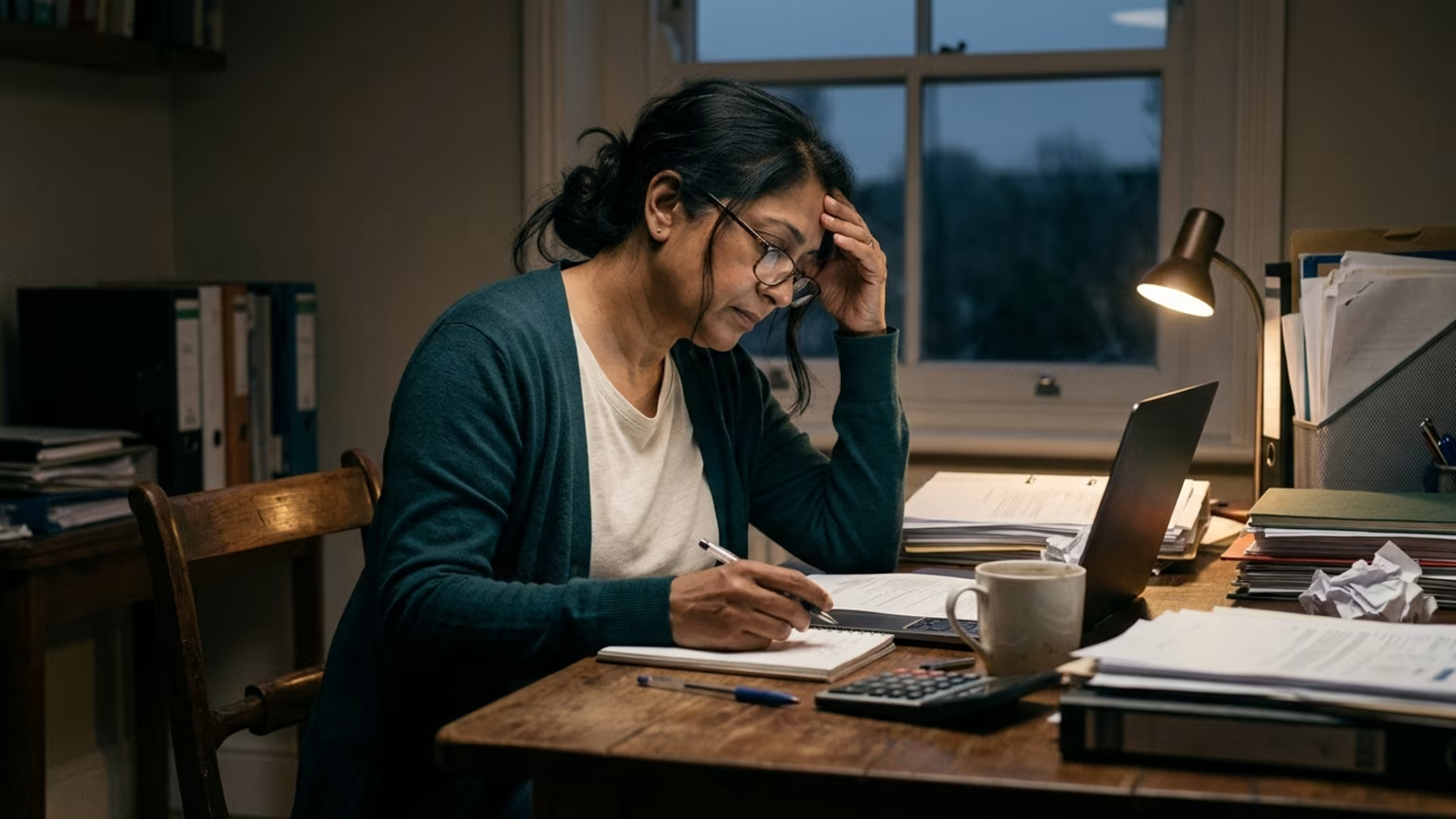

A memory study puts stay-awake advice in context, with practical guidance on movement, caffeine, light and the firm boundary around drowsy driving.





On 26 September 2026, CNN reported on a study in which sleep-deprived adults assigned to exercise or a nap opportunity recognized more images than those assigned to sit. The finding offers a reason to revisit The Daily Star’s “When Sleeping is Not an Option,” published on 23 December 2015.
The study described by CNN involved 54 healthy adults aged 18 to 35. Participants stayed awake for 30 hours and were assigned to exercise, a nap opportunity or a seated control condition. Researchers then assessed their ability to recognize images.
Image recognition was 56% in the exercise group, 57% in the nap group and 46% in the seated control group. The exercise and nap groups performed better on that particular task. That is a useful finding for understanding one aspect of performance after sleep loss.
It is not evidence that a workout restores normal functioning. CNN’s report cautioned that the study did not establish recovery of attention, reaction time or judgment. It also did not establish safety for driving or operating equipment. The small study involved younger adults under controlled conditions rather than the full midlife age range.
The central distinction is between helping a specific task and recovering from inadequate sleep. Better image recognition does not establish that every other demand of the day has become manageable. For adults balancing work and caregiving, the practical question is therefore how to reduce demands while sleep remains unavailable.
The Daily Star article was written by Novo Manzoor and updated on 24 December 2015. Its suggestions included caffeine, bright light and walking or light exercise breaks. It also recommended avoiding multitasking alongside other tactics such as loud music and cold showers.
The article did not cite supporting studies for the individual recommendations. It did not establish how reliably they improve alertness or how long any benefit lasts. Nor did it set out safety boundaries for different readers and situations.
Read retrospectively, it is a collection of coping suggestions rather than a tested recovery plan. The newer memory finding gives movement a more specific research context. It does not validate the whole collection or make every suggestion equally useful.
A practical way to read such advice is to separate three questions: what was suggested, what was measured and what decision needs to be made now. A suggestion for staying engaged with a task is not automatically an answer to whether someone should drive. Those decisions require different standards of evidence.
For an adult between 35 and 65 facing an unavoidable period without sleep, the most useful adjustment is modest. Treat the period as one for reducing demands rather than demonstrating normal performance. The aim is not to build a more elaborate stay-awake routine.
The Daily Star’s advice to avoid multitasking can be used as a practical simplification. That might mean keeping attention on one necessary activity while leaving nonurgent demands for later. It need not become a detailed productivity system.
The value of this approach is its limited ambition. Instead of adding more stimulation or more competing tasks, it narrows what the period asks of the person. It is an organizational adjustment rather than evidence that impaired judgment has been repaired.
For readers already dealing with too many competing thoughts at bedtime, this is also a useful distinction in how to frame the problem. Getting through an immediate obligation and addressing recurring mental overload are separate jobs. A short-term coping choice does not have to solve both.
Walking or light exercise breaks appeared in The Daily Star’s advice. The CNN report offers narrower support for movement through the image-recognition result. It also described Dr. Leana Wen’s view that short aerobic activity could be useful before a learning or memory task when a nap is unavailable.
For a midlife adult, a brief walk or movement break can therefore be framed as an optional interruption to a limited period of work. There is no need to turn it into a demanding workout or a test of discipline. The relevant idea is a modest break rather than an exercise achievement.
Keep the purpose specific: a pause before returning to a necessary activity. Do not use the study’s memory result as permission to take on additional high-stakes demands.
Bright light and caffeine are often grouped together as ways to stay awake. The sources give different reasons for handling them carefully.
The American Academy of Sleep Medicine says caffeine may provide a temporary alertness boost. It also says there is no strategy that substitutes for sufficient sleep. Caffeine does not provide sleep’s restorative benefits.
That makes caffeine a temporary alertness option rather than a recovery plan. The decision is not simply whether a drink makes someone feel more awake. It is whether the situation should instead be changed so that sleep becomes possible.
Light raises a separate timing question. The National Institutes of Health notes that light exposure can make falling asleep harder or interfere with returning to sleep after waking during the night. The Daily Star’s bright-light suggestion should therefore not become a universal instruction to turn on every light.
When the goal is getting back to sleep, the relevant context is how light is used in the sleeping environment. Advice aimed at staying awake and advice aimed at returning to sleep serve different purposes. Keeping that distinction clear is more useful than applying one rule throughout the day and night.
Driving is where the boundary needs to be clearest. In its October 2026 post, AASM reported that 41% of surveyed adults had felt so sleepy while driving that it affected their ability to drive safely.
Among respondents who acknowledged driving while sleepy, 65% had tried coffee or another caffeinated drink. Another 50% had pulled over for a break such as a nap or walk. Those figures describe what respondents tried rather than proof that either response made continued driving safe.
AASM identifies yawning, drifting across lanes and nodding off as signs to stop driving and get sleep. Its advice is not to push through severe sleepiness behind the wheel. Coffee or a movement break should not become a reason to disregard those signs.
This also changes how to read the older article’s recommendation against naps. AASM’s driving guidance favors stopping somewhere safe and sleeping rather than continuing while drowsy. A general stay-awake list should never overrule that situation-specific safety advice.
For a tired adult facing a journey, the practical priority is changing the travel plan when needed. It is not finding the most effective combination of stimulation to keep going.
Occasional short-term coping and ongoing recovery should not be treated as the same project. NIH guidance says adults need 7 to 9 hours of sleep per night. It also notes that losing even one hour can make focusing harder and slow response time the next day.
That baseline matters more than assembling a longer list of alertness tactics. When short nights keep recurring, the question shifts from getting through the next task to understanding why adequate rest is not happening.
A realistic adjustment is to keep the immediate plan small while making room to address the repeated pattern. That means distinguishing an unavoidable interruption from a routine that repeatedly leaves too little opportunity for sleep. It does not require blaming the person managing those demands.
If poor sleep or daytime fatigue keeps returning, bring the pattern to a qualified healthcare professional rather than relying on a stay-awake routine. Personal assessment belongs in qualified care. For everyday reflection, it can also help to distinguish having time away from demands from feeling restored.
The memory study points toward a useful research question rather than a complete daily solution. Future work could examine whether modest movement benefits other functions after sleep loss and whether the findings apply across midlife. Those outcomes would be more relevant to the mixture of responsibilities adults actually face.
For now, the practical approach is restrained: simplify competing demands and keep optional movement modest. Treat caffeine as temporary support and make driving safety a separate decision. The longer-term task remains creating room for sleep rather than continually compensating for its absence.
Could research that measures judgment and everyday functioning help shift midlife recovery advice away from staying awake and toward knowing when demands need to change?
Stay-awake tips can turn a difficult night into another set of performance rules; Relaxopia separates research findings from unsupported recovery claims. For adults sorting conflicting advice about caffeine and routines, its editorial coverage connects sleep with daytime energy so everyday choices feel clearer without adding a complicated optimization plan.
Stay connected for research-led guidance on sleep quality, stress, circadian rhythm, recovery, fatigue and everyday energy. Clear ideas for adults 35+ who want to sleep better, recover more fully and feel more capable through the day.





Explore practical guidance on sleep, stress and recovery without chasing every new hack, device or promise.
explore the blog