
Learn how homeostatic sleep pressure and the circadian pacemaker work together. Discover practical ways to identify your natural sleep window and improve recovery.





Sleep timing reflects the interaction between homeostatic sleep pressure and the circadian pacemaker. Sleep pressure is a physical biological drive that steadily builds during your waking hours and falls while you sleep. The circadian pacemaker is an internal rhythm operating on an approximately 24-hour cycle. This internal clock provides a rhythmic alerting signal that determines when your brain naturally promotes wakefulness or rest. Together, these two separate biological systems control when rest feels natural and when falling asleep requires effort.
Understanding this biological relationship is highly valuable for adults dealing with persistent nighttime awakenings. The two-process framework remains useful because it explains complex bodily reactions to rest and wakefulness. It clarifies why the same person can be exhausted after a poor night but still struggle to sleep at an unusually early hour. Homeostatic sleep pressure and circadian timing are separate influences that interact constantly, rather than acting as a single biological switch. Managing your rest requires working with both of these biological systems simultaneously.
The biological drive to rest accumulates the longer a person stays physically or mentally awake. This mechanism is commonly referred to as Process S by sleep researchers. If you have a physically or mentally demanding day, this pressure to sleep will be high by the evening. The brain accumulates specific byproducts during waking hours that signal the need for physical recovery. Sleep pressure steadily falls during the night as the body clears these byproducts and restores cellular energy.
Sleep pressure is only half of the biological equation determining your rest. Your internal rhythm operates on a completely separate schedule known as Process C. This system provides a rhythmic alerting signal that can temporarily counteract your physical tiredness. In the late afternoon and early evening, this alerting signal often reaches a natural peak. This biological timing explains why tiredness and feeling ready for bed are related but distinctly different sensations.
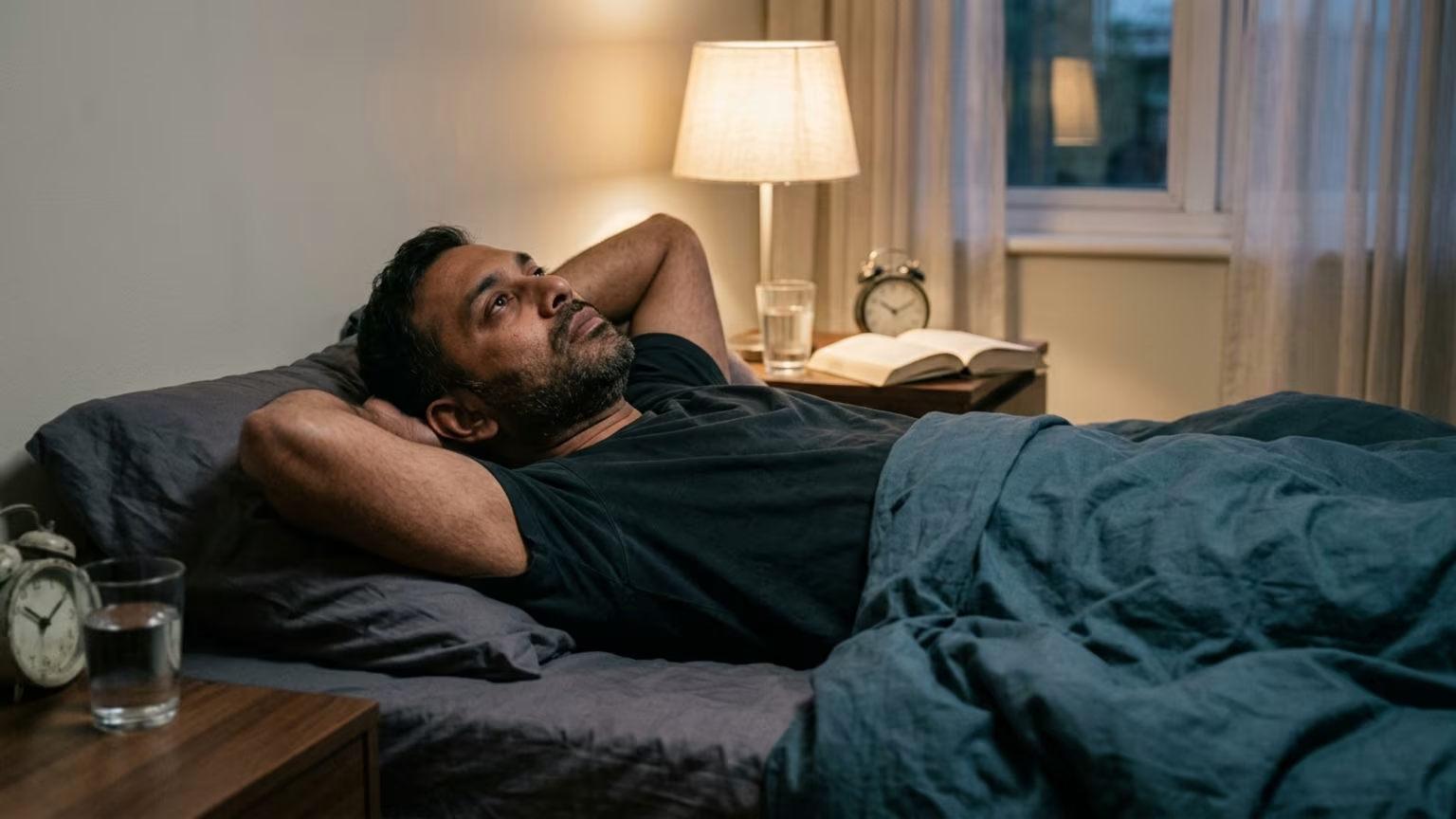
When these two biological processes fall out of sync, sleep onset becomes highly difficult. A delayed circadian phase can easily place a wake-maintenance period near your intended bedtime. If you get into bed before your biological sleep window formally opens, your internal clock is still sending a wake-promoting signal. You might feel completely exhausted yet spend a long time lying awake staring at the ceiling. The body clock simply overrides the accumulated sleep pressure until the proper biological window arrives.
Recent research suggests that performance differences reflect the combined effects of chronotype, time awake, and daily rest regulation. These biological rhythms do not operate in a closed vacuum. They are highly sensitive to external environmental cues, which are technically known as zeitgebers. Light is a major cue that adjusts this timing on a daily basis and dictates when sleep is biologically possible. The intensity and timing of light exposure can shift the entire circadian phase either earlier or later.
Morning light can help reinforce an earlier schedule, while bright evening light can push timing significantly later. Evening artificial light can delay circadian rhythms and make sleep onset take much longer. This makes light management a highly practical tool for aligning your biological systems without relying on medication. An AASM Foundation project is currently examining how people with delayed circadian rhythms respond to controlled light exposure.
Midlife adults often notice specific physical symptoms when their sleep pressure and circadian rhythms fall out of alignment. The most common sign is feeling thoroughly drained after a long workday but suddenly feeling wired when getting into bed. You might also experience a second wind late in the evening that keeps you awake long past your target bedtime. This is the direct result of an active wake-maintenance zone conflicting with high physical fatigue. The body is essentially receiving conflicting signals about whether to power down or stay alert.
Another clear physical sign is lying awake for extended periods when attempting an unusually early bedtime. Instead of drifting off easily, the brain feels alert and highly prone to racing thoughts. Waking up feeling unrefreshed, even after spending enough time in bed, often points to this same biological mismatch. The body simply refuses to shut down properly when forced into a schedule that conflicts with its natural phase. This frequently leads adults to mistakenly believe they have clinical insomnia when their routine is merely misaligned.
You might also notice that late, brightly lit evenings make an early bedtime physically frustrating. The combination of artificial light and a mismatched biological clock can make sleep feel physically impossible. Adults often experience increased muscle tension and restlessness when trying to force sleep during a circadian peak. Understanding this mismatch helps explain why adjusting your daily environmental cues matters more than simply going to bed earlier.
Adults might notice a steady decline in daily attention when their sleep window remains misaligned for weeks at a time. The physical toll of this misalignment can manifest as heavy eyes during the afternoon slump, followed by a frustrating surge of energy right after dinner. This specific pattern points directly to a circadian system that is actively resisting the accumulated sleep pressure. Attempting to sleep during this early evening surge only leads to heightened physical tension and mounting sleep anxiety.
Furthermore, individuals may find themselves feeling physically restless or excessively warm when trying to sleep early. The human body naturally cools down as it prepares for genuine circadian sleep. If you are attempting to rest during a wake-maintenance zone, your core body temperature may still be elevated, causing physical discomfort. This temperature mismatch is another physical sign that your Process S and Process C are operating on conflicting biological schedules.
The most effective baseline habit to begin repairing this system is anchoring your morning wake time. A consistent wake time gives the circadian system a repeated daily reference point. Sleep Foundation guidance recommends keeping sleep and wake times consistent, including on weekends, and using gradual rather than abrupt schedule changes when moving earlier. Adults should focus on protecting sufficient sleep opportunity rather than chasing the earliest possible bedtime. The American Academy of Sleep Medicine recommends that adults obtain seven or more hours of sleep per night on a regular basis.
Pick the wake time required by your work or family obligations. Keep this time as consistent as realistically possible across the entire week. This regular timing builds a strong foundation for healthy sleep practice by providing a daily reference point. If you need to adjust your schedule earlier, Sleep Foundation guidance suggests shifting sleep and wake times gradually, in approximately 15-minute increments.
Track when genuine sleepiness appears rather than forcing a strict bedtime for one to two weeks. Look for physical signs like repeated yawning, heavy eyelids, or a strong urge to stop your current activity. The useful signal is the period when sleep begins to feel physically easy and natural. This helps you distinguish a biologically plausible sleep window from a socially imposed bedtime that dictates when you should sleep.
Do not treat the time you get into bed as your official sleep time. Note whether you fall asleep fairly soon after becoming sleepy or if you remain alert for a prolonged period. Keep in mind that artificial evening light, caffeine, and stimulating activity can complicate this daily observation. Record these factors as context rather than assuming the delayed onset reflects your natural body clock alone.
Your likely natural sleep window is the recurring period when three specific observations line up perfectly. First, you have had enough time awake to build sufficient sleep pressure from the day. Second, your physical evening sleepiness is clearly present and undeniable. Finally, you can fall asleep without prolonged effort or tossing and turning in bed.
Morning light is highly relevant when you are trying to identify or shift an earlier sleep window. Get outdoor light or bright natural light soon after waking when feasible for your schedule. Morning light can help reinforce an earlier schedule, while bright evening light can push timing later. Learning how to use morning sunlight effectively is a foundational step for consistent recovery and better rest.
Readers should remember that earlier is not automatically better when it comes to healthy sleep. A schedule can be early by the clock but poorly aligned with the biological circadian phase. This poor alignment makes sleep onset difficult and quickly turns the bed into a source of frustration. People under chronic stress may benefit significantly from tracking their genuine sleepiness patterns rather than trying to force sleep.
Morning light is not a universal cure for all daily rest issues. Its timing and effect depend on the existing circadian phase, season, geography, and light intensity. The practical advice is therefore to use it as a stabilizing cue, not to promise that it will fix persistent insomnia. Sleepiness can also be misleading when sedation from alcohol or a short-term crash masks a stable circadian sleep window.
A consistent wake time is a useful tool but it cannot eliminate insomnia caused by underlying medical factors. Conditions like sleep apnea, restless legs, medication effects, and anxiety require specific professional attention. Persistent symptoms always warrant a proper medical evaluation by a qualified healthcare professional. Repeated difficulty falling asleep or severe daytime sleepiness should be discussed with a doctor rather than handled solely through schedule experimentation.
For a busy adult in midlife, the most realistic approach is to anchor the morning first and let bedtime follow naturally. The practical target is a repeatable overlap between adequate sleep pressure and a favorable biological circadian phase. It is not about finding the earliest bedtime that can be forcefully imposed on the clock. Adults are generally advised to obtain at least seven hours of sleep regularly, and an earlier bedtime is useful only if it allows adequate sleep and does not create prolonged wakefulness in bed.
The key takeaway is that restoring daytime energy requires aligning your accumulated sleep pressure with your natural circadian timing, rather than simply extending the hours you spend in bed.
Navigating evening light exposure and sleep schedules frequently falls to the exhausted adult managing household routines, and having Relaxopia interpret the underlying circadian science changes how you approach your rest. We clarify the established clinical evidence behind sleep quality to help you address confusion about circadian rhythm, light exposure and sleep timing. Explore Resources
Stay connected for research-led guidance on sleep quality, stress, circadian rhythm, recovery, fatigue and everyday energy. Clear ideas for adults 35+ who want to sleep better, recover more fully and feel more capable through the day.





Explore practical guidance on sleep, stress and recovery without chasing every new hack, device or promise.
explore the blog