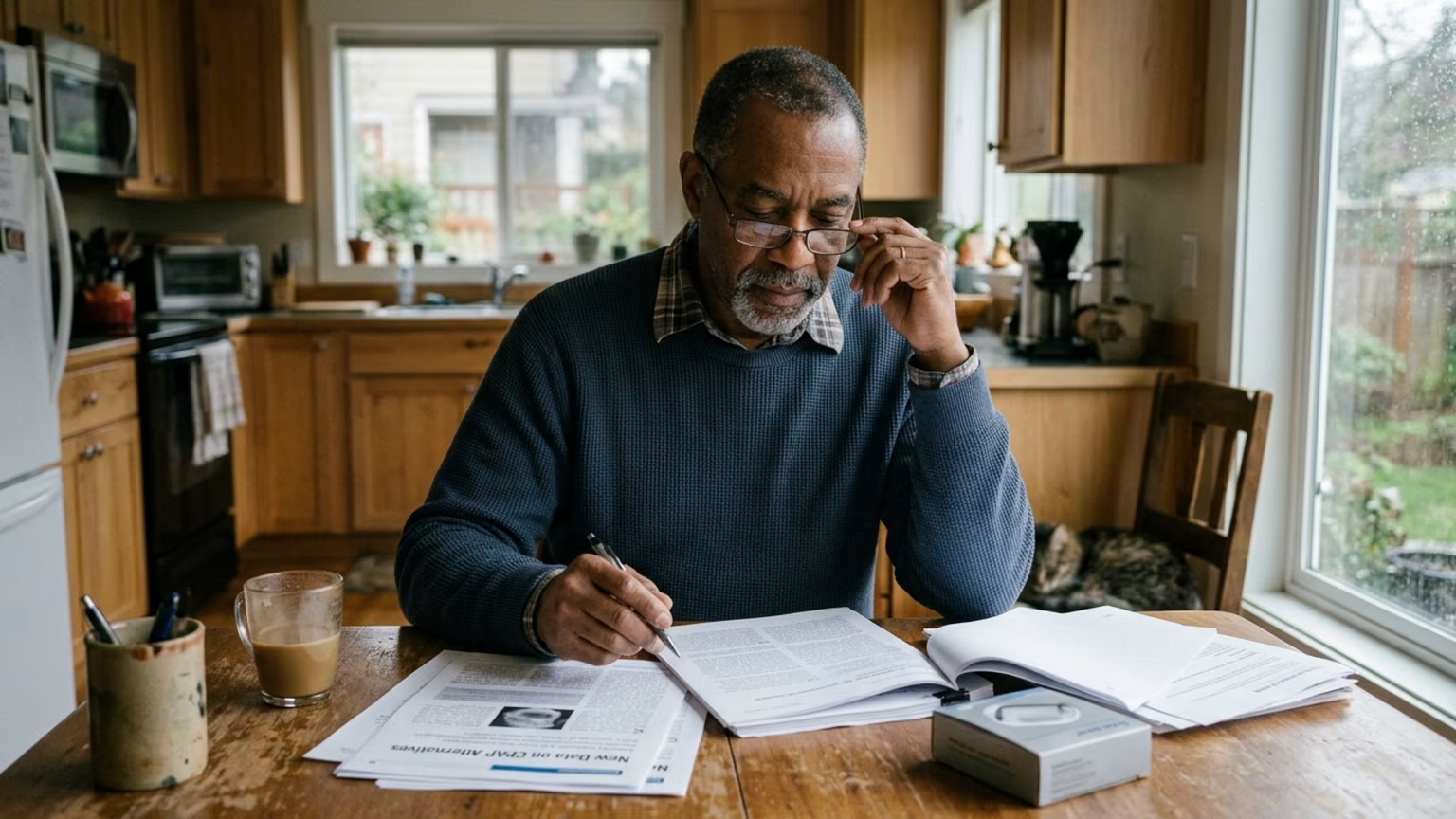

A 12-month study summarized by Harvard Health finds a dental device may offer similar modest blood pressure reductions to CPAP for adults with sleep apnea.





On October 1, 2026, Harvard Health reported on a trial published in The American Journal of Medicine comparing continuous positive airway pressure with a mandibular advancement device for adults with sleep apnea and hypertension.
The 12-month randomized trial evaluated 180 adults with moderate or severe sleep apnea and high blood pressure. Eighty-five percent of the participants in this study were men. The trial found similar but modest blood pressure reductions between the two interventions over the year. CPAP lowered blood pressure by an average of one point over the trial period.
The mandibular advancement device lowered blood pressure by an average of 2.3 points. Harvard Health notes that these reductions are modest. The publication frames the results as a comparison for this specific group rather than broad proof of equivalence across all health outcomes. Both treatment groups reported less excessive daytime sleepiness as the trial progressed.
Understanding the limits of these findings is necessary for adults managing complex health profiles. This finding focuses heavily on a blood pressure comparison rather than a comprehensive evaluation of every cardiovascular metric. The article does not provide a full account of participant characteristics beyond sex, sleep apnea severity, and hypertension. The exact blood pressure measure and detailed statistical analysis were not detailed in the brief report.
Managing sleep apnea requires regular intervention. Nightly compliance is a critical factor for long-term recovery and stable energy. In this specific trial, median nightly use was 5.5 hours for the dental device. Those assigned to continuous positive airway pressure logged a median nightly use of 4.9 hours.
Harvard Health describes the mandibular advancement device as a custom-molded tool. It is worn over the upper and lower teeth during rest. This dental device repositions the jaw or tongue to help open the airway. By maintaining an open breathing passage, it offers a mechanical alternative to pressurized air.
CPAP uses pressurized air delivered through a mask to keep the airway clear. The physical presence of a mask and hose changes how an individual navigates their bed. Adapting to this equipment often requires significant patience and practical adjustments. Some individuals adapt quickly while others find the sensation constantly bothersome to their rest.
Any mechanical intervention for breathing introduces practical friction into a nightly routine. The side effects reported during this study differed based on the specific mechanism of the treatment. Participants using the dental device reported jaw pain and tooth discomfort. Those using CPAP reported dryness and pain in the nose and mouth.
Harvard Health also reported that unplanned hospitalizations declined in both groups after the first six months. However, the report did not provide specific hospitalization counts. It also lacked a detailed statistical comparison between the two groups for that particular outcome. Discussing these specific side effects with a professional helps individuals set realistic expectations.
Harvard Health explicitly cautions that CPAP should still be considered the preferred therapy for people with moderate to severe sleep apnea. This is particularly true for individuals managing hypertension alongside additional cardiovascular risk factors. The reported blood pressure changes were modest. The trial size was relatively small with only 180 participants.
Adults over 35 often look for clear clinical context when navigating new recovery options. Separating established evidence from broad assumptions helps patients make informed decisions about their respiratory care. Moving away from a prescribed CPAP machine requires careful medical supervision. Independent experimentation is not recommended for conditions involving cardiovascular risk.
Persistent snoring and unrefreshing rest often prompt adults to reevaluate their nightly habits. If you experience daytime sleepiness or suspect your breathing is interrupted, discussing potential sleep apnea with a clinician is a logical step. This study does not establish a diagnosis from symptoms alone. It simply highlights the importance of addressing fragmented sleep mechanically.
For an adult with diagnosed sleep apnea who struggles with a CPAP mask, this research offers a practical discussion point. You have a valid reason to ask a clinician whether a mandibular advancement device might be appropriate. You do not have to accept poor rest as a permanent limitation. Discussing alternatives helps you find a sustainable path forward.
Transitioning between sleep apnea treatments requires individualized medical advice. Proper fitting, adjustment, and follow-up protocols are necessary to mitigate physical issues like jaw pain. Adults should not interpret similar modest blood pressure reductions as proof that these treatments have identical effects on all health outcomes. Maintaining open communication with a specialist helps protect your overall health.
Addressing sleep apnea effectively supports better nervous system balance and more consistent daily energy. Evaluating these options calmly helps you build a sustainable approach to consistent sleep quality. Recognizing the limits of current research prevents unnecessary anxiety about optimizing your routine. The focus should remain on finding a manageable intervention that supports your daily life.
The struggle to maintain consistent rest can quickly drain your physical reserves. Adults in their late 30s, 40s, and beyond often notice that inadequate recovery compounds over time. When sleep apnea fragments your nightly rest, it directly impacts your daily daytime performance. Recognizing this connection allows you to prioritize evidence-based interventions over temporary wellness trends.
Whether you rely on CPAP or a dental device, the primary goal remains unchanged. You want to stabilize your biological rhythms and restore normal respiratory function. Proper intervention reduces the physical strain of interrupted breathing. This allows your body to recover more efficiently during the night.
Matching recovery to your daily exhaustion requires an objective look at your underlying health. Masking fatigue with excessive caffeine rarely solves the core problem of poor oxygenation during sleep. Addressing the mechanical interruption of sleep apnea offers a clearer path to genuine restoration. A calm approach to this process yields better long-term results.
Adding medical equipment to your nightly routine introduces a noticeable learning curve. Adapting to managing your sleep environment and technology takes patience and realistic expectations. The physical presence of a mask or a custom-molded dental device changes your pre-sleep habits. Establishing a calming routine can help ease the transition to using these tools regularly.
Focusing on gradual adaptation reduces the pressure to perform perfectly. You want to adjust to a new therapy without turning it into a stressful obligation. Maintaining clear communication with your clinical team guarantees that physical discomfort is addressed promptly. This prevents minor side effects from compromising your overall adherence to the treatment.
Restoring your breathing patterns during sleep profoundly impacts your physical resilience. Unmanaged sleep apnea often leaves individuals operating with a heavy baseline of physical exhaustion. By finding a manageable treatment option, you can begin the slow process of rebuilding your energy. This gradual improvement helps you better manage routine stress throughout the day.
Taking an objective approach to your respiratory health changes how you view recovery. It allows you to focus on practical adjustments rather than feeling overwhelmed by medical directives. The right intervention supports long-term recovery without turning rest into a rigid performance metric. You can protect your health while maintaining a normal lifestyle.
Navigating sleep challenges after 35 requires a different mindset than in earlier decades. Normal life strain combined with physical changes can make restorative sleep feel out of reach. When you introduce a condition like sleep apnea, the baseline difficulty increases significantly. Finding a realistic intervention is critical for maintaining your daily capacities.
Many wellness platforms promote complicated optimization routines for better sleep. Relaxopia focuses on translating credible evidence into practical guidance without that unnecessary complexity. Understanding the mechanical nature of sleep apnea helps remove the personal blame often associated with poor sleep. It shifts the focus from perceived failure to straightforward physical management.
Sleep apnea creates a persistent cycle of physical stress during periods meant for deep rest. When the airway narrows or collapses, the body must briefly awaken to resume normal breathing. This frequent interruption prevents individuals from reaching the deeper stages of restorative sleep. Over months and years, this fragmented pattern severely undermines your physical and cognitive reserves.
Both the mandibular advancement device and continuous positive airway pressure aim to halt this damaging cycle. By keeping the airway open, these tools allow the nervous system to finally power down. This reduction in nightly physical stress translates directly to improved daytime function. Understanding this mechanical relationship helps adults view their treatment as a fundamental pillar of health.
Consistent breathing problems during the night can indirectly complicate your body clock. Fragmented rest often leads to erratic waking times and heavy reliance on daytime naps. These unpredictable patterns confuse your biological cues for alertness and sleepiness. When your circadian timing becomes misaligned, falling asleep at a reasonable hour becomes increasingly difficult.
Stabilizing your sleep with an effective mechanical intervention helps reset these natural rhythms. Waking up feeling genuinely refreshed makes it easier to engage with morning light exposure. This consistent morning routine strengthens your circadian signals for the rest of the day. A reliable therapy creates a foundation for better alignment between your environment and your biology.
Bringing medical devices into the bedroom often triggers feelings of frustration or self-consciousness. Many adults feel that using a CPAP machine or a bulky dental device alters their personal space. Acknowledging this friction is a normal part of adjusting to a new health requirement. You do not have to pretend that wearing a mask to bed is immediately comfortable.
Shifting your perspective on these tools can make the adjustment period more manageable. Viewing a mandibular advancement device as a temporary nightly tool rather than a permanent burden is helpful. It is simply a practical mechanism designed to protect your brain and heart while you rest. Reframing the experience removes the emotional weight from a purely physical intervention.
Integrating a new treatment into your evening routine requires deliberate planning. Rushing to apply a mask or insert a dental device right before turning off the lights often causes stress. Creating a buffer zone before bed gives you time to handle the equipment calmly. This small adjustment prevents the treatment from feeling like a frantic chore.
You might find it helpful to prepare your CPAP machine or clean your device earlier in the evening. Handling the logistics ahead of time protects the final hour before sleep for relaxation. This deliberate pacing helps lower your heart rate and signals to your brain that the day is ending. Establishing this consistent rhythm makes the entire process of managing sleep apnea feel much less intrusive.
Approaching a doctor about sleep apnea treatments can sometimes feel intimidating. Many patients hesitate to mention their dissatisfaction with CPAP because they fear being labeled non-compliant. Discussing your exact experience with the machine is vital for your long-term success. A candid conversation allows your clinical team to adjust the pressure or suggest a different mask style.
If modifications fail to resolve the discomfort, introducing the idea of a dental device is entirely appropriate. Use the Harvard Health report as a starting point to ask about your specific eligibility. A proactive approach to your healthcare means you are not left struggling with an intolerable setup. Clear communication empowers you to find a solution that fits your anatomical needs and daily lifestyle.
As clinical alternatives to traditional sleep apnea therapies continue to develop, how will adults weigh the mechanical side effects of dental devices against the practical demands of nightly CPAP use to achieve consistent midlife recovery?
Evaluating the practical trade-offs between continuous positive airway pressure and dental devices often leaves adults wondering how to manage their nightly rest. By translating credible clinical evidence into clear guidance, Relaxopia helps you address the persistent mental load that makes it hard to switch off so you can make informed decisions about your routine. Explore Resources
Stay connected for research-led guidance on sleep quality, stress, circadian rhythm, recovery, fatigue and everyday energy. Clear ideas for adults 35+ who want to sleep better, recover more fully and feel more capable through the day.




Explore practical guidance on sleep, stress and recovery without chasing every new hack, device or promise.
explore the blog