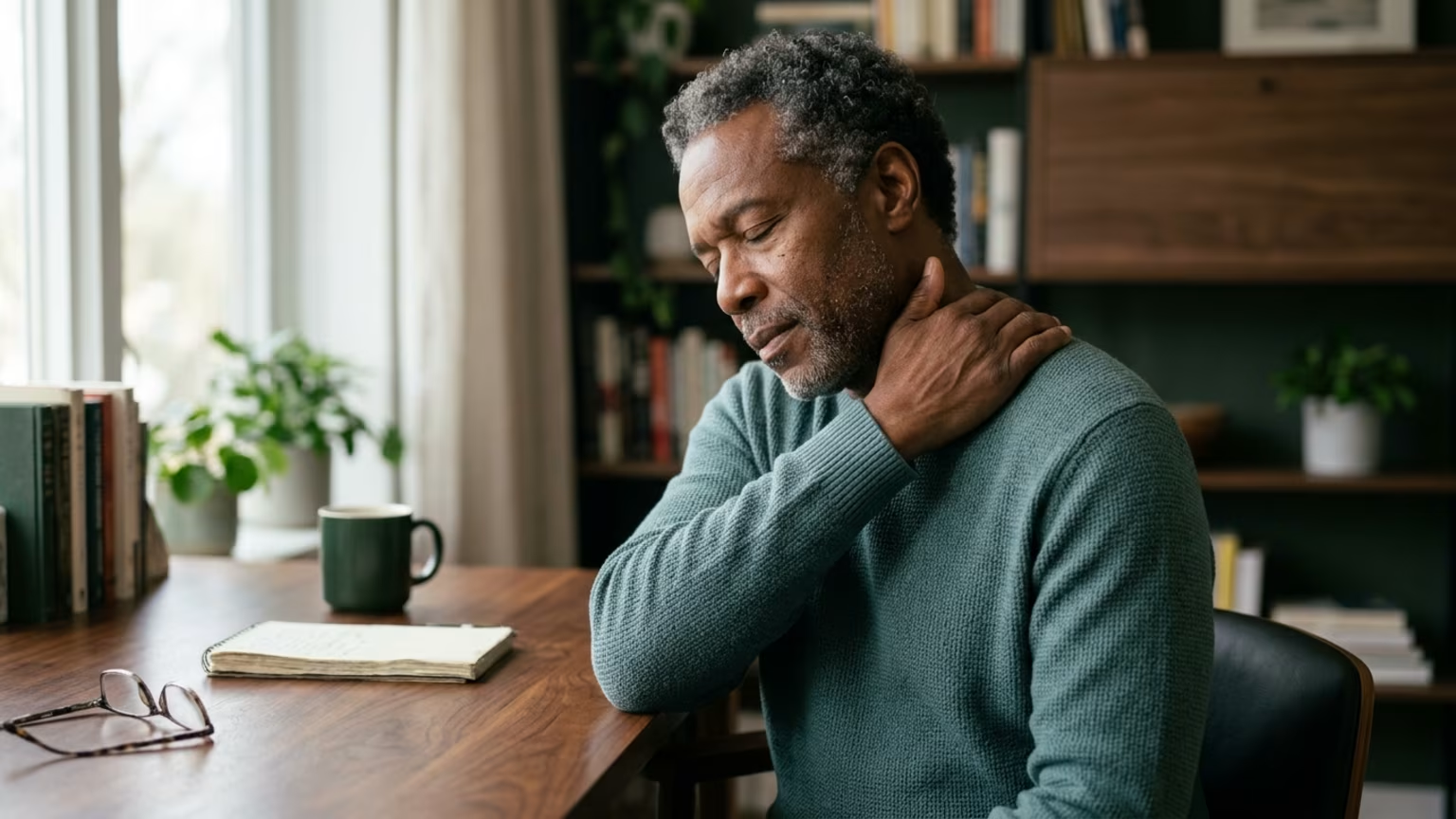

A review of recent evidence highlighted by BBC Future on four 30-second micropractices, including slow breathing and self-touch, for immediate stress relief.





On September 11, 2026, BBC Future published a review by senior health correspondent Melissa Hogenboom examining four brief stress-management techniques. The report highlights how interventions lasting under a minute might offer accessible nervous system relief.
The BBC report evaluates non-humorous laughter, micro yoga, slow breathing, and self-compassionate touch as low-effort experiments for stress reduction. While these practices do not replace clinical care, they show measurable effects on physiological arousal in specific studies. For example, a 20-second self-soothing touch exercise was associated with significantly lower cortisol levels than a control group. A separate study found that three slow breaths increased brain-wave activity linked to relaxation.
Many adults feel overwhelmed by the demand to add lengthy meditation sessions to an already busy schedule. The latest research indicates that a complete lifestyle overhaul is not always required to manage daily tension. Eli Susman is the author of the book Micropractice. He tells the publication that some effective habits can take as little as 30 seconds to complete.
These brief interventions aim to interrupt the physiological accumulation of tension throughout the day. Susman argues that short routines can make wellbeing practices far more accessible than time-intensive programs. Instead of waiting for the weekend to decompress, individuals can deploy very short practices during normal transitions. This approach helps people recognize the physical indicators of accumulating stress before exhaustion completely sets in.
One clearly specified exercise relies on controlled respiration to activate the parasympathetic nervous system. The BBC notes that this biological mechanism is commonly described as the body’s rest and digest state. The technique involves taking three slow breaths that last approximately 10 seconds each. Practitioners must maintain a longer exhalation than inhalation, taking roughly 30 seconds in total.
A recent study led by Amit Kumar of the University of Naples Federico II investigated this specific breathing pattern. The research found that three slow breaths increased alpha and theta brain-wave activity. The publication associates these brain-wave patterns with calm attention and deep relaxation. Kumar suggests that the exercise can be highly useful right before a meeting.
Consistent use of this technique may help prevent tension from building up over hours of work. However, Kumar cautions that people experiencing greater stress might need more than 30 seconds of breathwork. Readers with trauma-related symptoms or specific cardiopulmonary conditions may find breath-focused routines distressing. For many healthy adults, it remains a simple tool for daily autonomic regulation.
Another intervention focuses on the relationship between physical sensation and hormonal stress markers. The self-compassionate touch exercise requires placing one or both hands over the chest, upper arms, or heart and belly. While holding this position, the individual deliberately directs kind thoughts toward themselves. This combination of physical contact and cognitive focus aims to create a soothing physiological effect.
According to research by Susman and colleagues, this practice yielded measurable biological results. Participants who practiced self-soothing touch for 20 seconds had significantly lower cortisol than a control group. A follow-up study found that more frequent practice was linked to greater self-compassion six months later. The BBC report does not establish that this long-term relationship was definitively causal.
Such physical techniques offer a subtle way to signal safety to an agitated body. They can be performed discreetly at a desk or while resting quietly at home. Integrating these small physical cues helps create calmer conditions for mental processing during chaotic afternoons. This provides an accessible option for people who find traditional mindfulness exercises frustrating.
The BBC article gives no specific cortisol concentrations or percentage changes for the self-soothing touch study. It also omits the sample size, participant ages, and the precise duration of the measured cortisol effect. Therefore, the cortisol finding should be described as a result from a particular study rather than a universal guarantee. Practitioners should focus on the subjective feeling of relief instead of expecting a standardized hormonal shift.
The third technique reviewed by the publication utilizes vocal expression to relieve tension. Natalie Van der Wal of Delft University of Technology highlighted the benefits of non-humorous laughter. She describes this practice as laughter initiated deliberately without relying on a joke. According to a large meta-analysis she references, this artificial action can be highly beneficial.
The reported meta-analysis found non-humorous laughter to be approximately twice as effective as humor-related laughter for reducing depression and anxiety. The physical technique is relatively simple to execute in a private space. It begins with three deep breaths followed by the deliberate production of laughter sounds. The article notes that this artificial action may sometimes naturally develop into genuine laughter.
The BBC does not identify the laughter meta-analysis by title, provide its sample size, or describe its study-quality limitations. Consequently, readers should interpret the findings as encouraging rather than definitively proven for all contexts. Van der Wal explicitly notes that the required dose of the practice remains highly individualized. The core intention is to find a brief physical release rather than achieve a perfect medical outcome.
Van der Wal advises readers to try different practices and determine what fits their unique preferences. People who feel uncomfortable forcing laughter might prefer the breathing or stretching exercises instead. Having multiple options guarantees that individuals can select the most appropriate method for their specific environment.
Physical movement provides another pathway to interrupt prolonged sedentary stress during the workday. The micro-yoga exercise involves a brief but deliberate sequence to release upper body tension. Practitioners interlace their fingers behind their back and extend their arms downward while inhaling. They then gently lift the chest and soften the stretch while exhaling for two or three slow breaths.
The BBC article cites a specific stretching study to illustrate the potential impact of frequent movement. This research found a productivity improvement of approximately 15% when people stretched for 15 to 30 seconds every 15 minutes. Readers should note that this outcome resulted from repeated breaks rather than a single isolated stretch. The publication also clarifies that the activity studied was basic stretching rather than structured yoga.
Other research mentioned in the report links mindful stretching breaks with reduced psychological distress and lower burnout. It has even been associated with fewer medical errors in demanding professional settings. Employing these brief physical shifts can be a central component of managing daily fatigue levels. The article does warn that stretching carries risks and suggests seeking medical advice when in doubt.
While these practices are promising, it is vital to understand the limitations of the current clinical findings. The evidence base described by the BBC combines a reported meta-analysis, individual studies, and expert interpretation. The studies lack the methodological detail needed to compare the practices reliably against one another. The publication does not supply age-specific findings or age ranges for the participants.
Adults 35 and older should not assume these techniques work differently based on age alone. Furthermore, the reported evidence focuses primarily on short-term stress, mood, and physiological arousal. The BBC article contains no direct evidence that these practices improve sleep quality, sleep duration, or nighttime awakenings. Increased alpha or theta brain-wave activity should not automatically be equated with improved long-term rest.
A short calming response is not the same as resolving the underlying source of persistent stress. Excessive workloads, caregiving strain, and untreated health conditions require more robust interventions over time. If anxiety, poor sleep, or low energy persists, these micropractices should complement assessment from a qualified clinician. They serve as useful immediate additions to daily life rather than comprehensive replacements for targeted medical care.
Adults between 35 and 65 often face overlapping professional and family responsibilities that make lengthy routines impractical. Translating these clinical findings into daily life means treating these brief exercises as simple experiments during natural transitions. You can insert a 30-second breathing exercise before answering an important call or beginning a commute. Alternatively, a 20-second self-compassionate touch practice can bridge the gap between finishing work and starting evening household tasks.
Instead of attempting to overhaul your schedule entirely, select just one technique that feels comfortable to test. If you dislike breathwork, try interlacing your fingers for a gentle chest stretch during a brief screen break. Use any immediate sense of calm as a practical signal to proceed with your next task smoothly. These low-effort interventions help balance biological recovery needs without adding another demanding optimization target to your day.
As researchers continue to study the physiological effects of very brief interventions, the focus on accessible wellness is likely to grow. The evidence suggesting that just 30 seconds of intentional focus can alter brain-wave activity challenges traditional expectations about stress management. Will future clinical guidelines increasingly prioritize these immediate, micro-level habits over time-intensive routines to support sustainable midlife recovery?
Deciding which brief stress interventions to integrate into a daily schedule usually falls on the individual adult, but letting Relaxopia evaluate the underlying research changes how confidently you can adapt your routine. When uncertainty about sleep trackers, wearables and new recovery technology complicates your approach to rest, we translate credible clinical evidence into practical guidance without wellness hype.
Stay connected for research-led guidance on sleep quality, stress, circadian rhythm, recovery, fatigue and everyday energy. Clear ideas for adults 35+ who want to sleep better, recover more fully and feel more capable through the day.


Explore practical guidance on sleep, stress and recovery without chasing every new hack, device or promise.
explore the blog