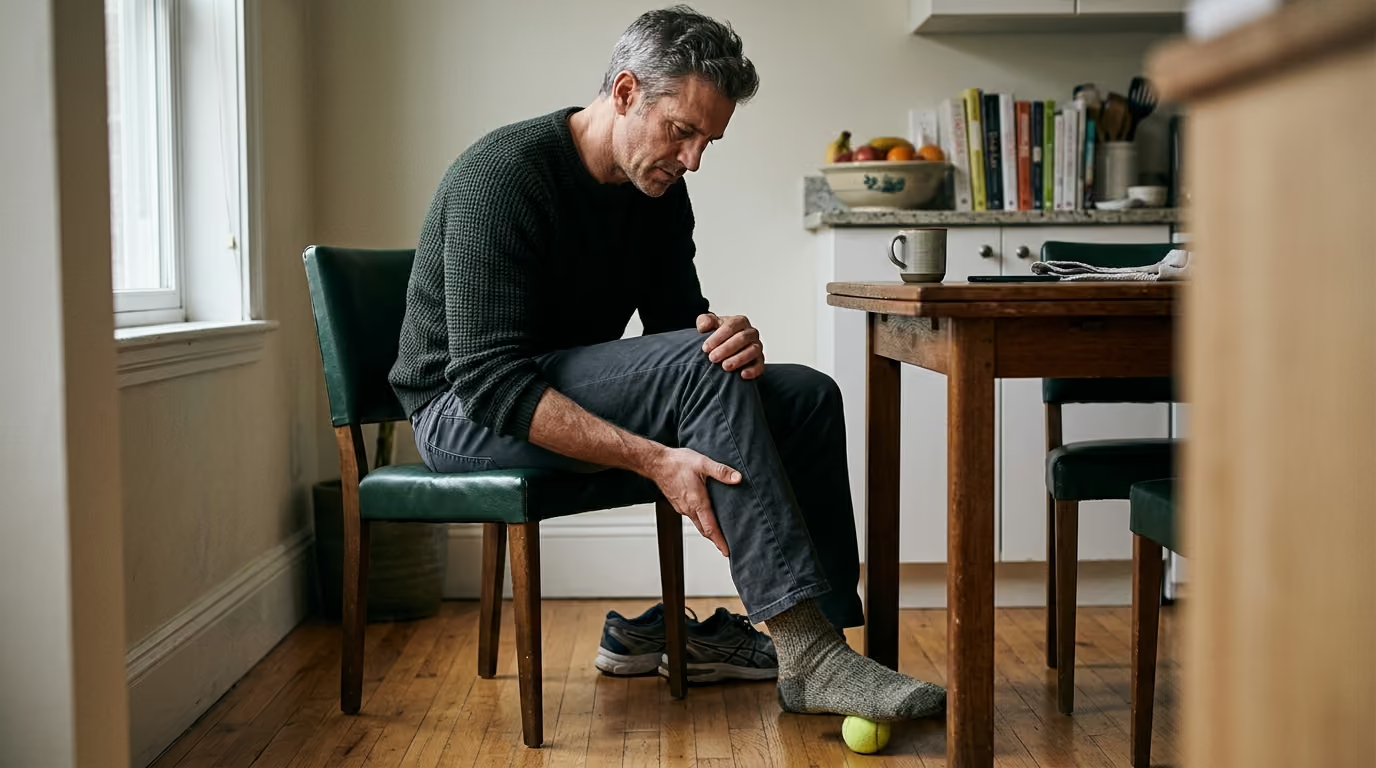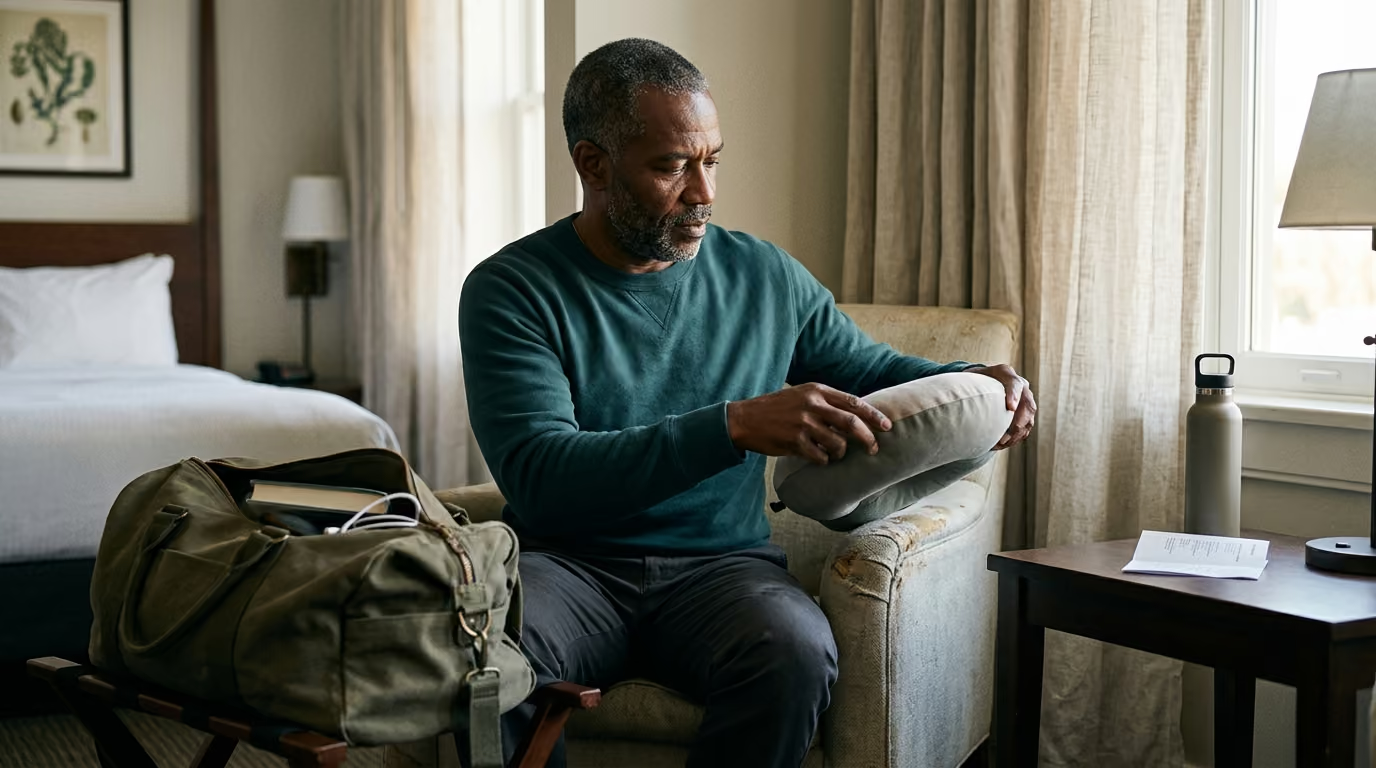

Uninterrupted rest away from home requires adapting your sleep environment, packing essential gear, and maintaining consistent bedtime habits in every new setting.





Portable sleep habits are not an effort to rebuild your home bedroom in every destination. They are a set of realistic adjustments designed to manage the highest impact variables in an unfamiliar setting. Sleeping away from home means navigating spaces you do not fully control, from dry hotel rooms to drafty guest bedrooms and noisy campsites.
This guide examines the physiological and environmental forces that disrupt rest during travel. It outlines practical methods to control light, noise, temperature, and bedding without carrying unnecessary gear. It also compares the unique challenges of hotels, family visits, business travel, and outdoor environments.
When you sleep in an unfamiliar room, your brain does not fully disengage. Sleep scientists call this phenomenon the first night effect. Laboratory research shows that during the initial night in a new space, one brain hemisphere often remains more vigilant than the other. This half awake monitoring system keeps you sensitive to subtle sounds, strange odors, and unexpected movements.
The first night effect is documented across decades of polysomnography studies. Research reviews indicate that the effect appears in up to 80 percent of healthy people when they enter a new environment. Sleepers typically experience lower sleep efficiency, longer delays before falling asleep, more frequent brief awakenings, and reduced rapid eye movement sleep. Newer studies confirm that this reaction occurs across nonconsecutive nights and in both research laboratories and novel domestic settings.
Evidence also clarifies what environmental control can and cannot accomplish. Controlled trials demonstrate that cool temperatures, low ambient noise, and darkness reliably reduce midnight awakenings. Sleep hygiene measures by themselves are not a stand alone cure for chronic sleep disorders. Clinical guidelines from the American Academy of Sleep Medicine emphasize that behavioral therapy is required for persistent insomnia. Environmental adjustments provide a steady baseline for rest, but they do not override deep seated sleep anxiety on their own.
Current scientific findings present a distinct hierarchy of evidence. The impact of light exposure on circadian rhythms and the first night effect on sleep architecture are supported by robust experimental data. Evidence regarding specific travel gadgets, portable white noise machines, and specialized travel pillows remains largely observational and individual. Portable rest depends on managing core physiological signals rather than buying complex travel accessories.
Sleep opportunity is different from actual sleep time. You might reserve eight full hours in a hotel bed, but unfamiliar conditions can steal two of those hours through micro awakenings. Understanding the mechanisms behind this disruption helps you address the root causes rather than feeling frustrated by poor rest.
Human rest is regulated by two primary forces: homeostatic sleep pressure and the circadian body clock. Sleep pressure accumulates steadily during your waking hours as adenosine builds in the brain. Circadian timing is managed by the suprachiasmatic nucleus, which uses light and temperature cues to dictate alertness. When you travel across time zones, your internal timing loses alignment with the local clock. Even without crossing time zones, sleeping in a strange room disrupts your usual evening cues.
Physical recovery slows down when sleep architecture fragments. Deep slow wave sleep supports tissue repair, immune regulation, and cellular recovery. Rapid eye movement sleep supports memory consolidation and emotional stability. When unfamiliar hallway noise or persistent streetlights pull you out of deep sleep cycles, you wake up feeling unrefreshed despite spending enough hours in bed.
Disrupted rest carries direct consequences for daytime functioning. Cognitive processing speed drops, emotional regulation becomes harder, and physical fatigue accumulates quickly. For adults balancing demanding itineraries, family obligations, or high stakes meetings, these deficits can derail performance. Managing your sleep environment, habits, and technology creates the stability needed to protect essential sleep cycles.
Your sleep space contains several distinct physical variables. You can divide your approach into four clear actions: control what is directly in your power, modify what you can adjust, accommodate what cannot be moved, and reframe your expectations.
Light is the most powerful external regulator of human circadian timing. Research confirms that exposure to light suppresses the evening release of melatonin, delaying sleep onset. In hotels and guest bedrooms, light often enters through gaps around window curtains, under entrance doors, or from glowing digital displays.
The Centers for Disease Control and Prevention recommends making the sleep area as dark as possible. This includes blocking window glare and covering bright blue or white LEDs on electronics. Blue light wavelengths are particularly disruptive because they stimulate melanopsin receptors in the retina, signaling daytime alertness to the brain. Total darkness helps maintain steady melatonin production throughout your sleep window.
Portable light management requires minimal equipment. A well fitted contoured eye mask blocks light leaks without pressing against your eyelids. Small clips or travel pins can hold loose hotel curtains together. Turning digital clocks away from the bed or covering power indicators eliminates intrusive glare without altering room wiring.
Unpredictable, intermittent sounds cause more sleep disruption than steady background noise. A sudden door slam, an elevator chime, or a passing siren triggers an automatic arousal response. In contrast, steady acoustic profiles allow the nervous system to settle.
Environmental reviews recommend reducing continuous sleep noise below 35 decibels where possible. In practical travel scenarios, reaching absolute quiet is rarely feasible. Soft foam or silicone earplugs offer an accessible way to lower incoming decibel levels. For situations where you must remain alert for children or alarms, a continuous sound masker or a low running fan softens sudden noise spikes.
Acoustic management must always preserve critical safety signals. If you are responsible for monitoring dependents or must hear building emergency alarms, completely blocking sound is unsafe. In these situations, wearing a single earplug or using low volume white noise provides acoustic smoothing while preserving situational awareness.
Your core body temperature naturally drops by one to two degrees in the hours leading up to sleep. A room that is too warm prevents this natural thermoregulation, causing restless tossing and frequent awakenings.
Public health guidance from the CDC suggests maintaining a cool room, typically between 60 and 68 degrees Fahrenheit. Thermal comfort depends heavily on relative humidity and your personal bedding microclimate. The microclimate is the layer of air trapped directly between your skin, sleepwear, and covers. If the room thermostat cannot be altered, modifying this immediate layer becomes your primary lever.
Lightweight, breathable fabrics allow heat to escape efficiently. Bringing thin, packable layers lets you adapt to heavy commercial duvets or thin guest blankets. Keeping a pair of lightweight socks in your bag can also help, as warming the feet dilates peripheral blood vessels, assisting core heat dissipation.
An unfamiliar mattress alters the way pressure is distributed across your joints and spine. Firmer surfaces can create tension at the hips and shoulders, while overly soft mattresses may strain the lower back.
You do not need to transport an entire bedding system to achieve adequate physical comfort. Small adjustments often yield significant relief. A compact pillowcase brought from home provides a familiar tactile cue and scent, which can ease the nervous system into rest. Placing a rolled bath towel under your knees or lower back provides localized postural support on unpredictable mattresses.
Every travel setting presents distinct logistical and environmental hurdles. Applying the same rigid routine to every trip leads to frustration. Tailoring your strategy to the specific space produces better rest.
Hotel rooms concentrate several disruptions into a single space. You must often contend with hallway foot traffic, elevator chimes, unfamiliar ventilation units, and thin curtains. Work trips can add lingering cognitive tension right beside the bed.
A reliable hotel strategy starts the moment you check in:
The CDC advises keeping work materials, television, and reading out of the sleeping surface. In a compact hotel room, setting up your laptop at a small desk preserves the bed as a dedicated space for recovery.
Staying with relatives or friends introduces social obligations and shared household schedules. You may feel uncomfortable asking hosts to lower their thermostat or change their evening habits. Furthermore, late night family conversations, barking pets, or early rising children can interrupt your normal sleep timing.
Clear, polite communication helps manage these constraints without creating friction. Letting your host know early that you sleep best in a cool room allows them to offer extra sheets or adjust heating zones comfortably. A simple explanation that you plan to read quietly with the door closed sets gentle boundaries around evening social time.
When sleeping in a guest room, focus on self contained adjustments. Pack a travel sound machine or phone application to buffer household noises. Carry a breathable sleep shirt and an extra layer so you can adapt to the room without touching the home thermostat. Anchor your days around consistent morning light, which reinforces your body clock after 35 even when domestic schedules shift.
Sleeping outdoors provides strong exposure to natural light dark cycles. Research demonstrates that a weekend spent camping under natural light can advance circadian timing, helping late sleepers align with earlier solar schedules. Outdoor environments also present physical challenges such as hard ground, fluctuating temperatures, moisture, and early sunrises.
Ground insulation is the foundation of outdoor sleep quality. Cold ground draws heat away from the body far faster than cold air. A sleeping pad with an appropriate thermal resistance rating protects your microclimate much better than blankets alone.
Managing the outdoor environment involves specific preparation:
Outdoor rest requires prioritizing warmth, dry clothing, and physical safety above environmental perfection. Accept that outdoor sleep naturally contains brief awakenings, and focus on physical relaxation rather than continuous deep sleep.
Business trips combine environmental changes with performance pressure and tight itineraries. Traveling across multiple time zones creates jet lag, while early morning presentations heighten pre sleep worry. Research examining corporate travelers identifies logistical uncertainty, constant packing, and uncomfortable sleeping arrangements as major contributors to chronic fatigue.
Managing transit sleep requires low friction habits. When flying across time zones, the CDC suggests shifting meals, rest, and light exposure toward your destination schedule during transit. Once you arrive, seeking bright outdoor sunlight in the morning grounds your circadian clock to local time.
Avoid relying on alcohol to induce sleep after late dinners. While alcohol acts as a sedative that shortens sleep onset, it severely disrupts sleep continuity and suppresses rapid eye movement rest later in the night. Instead, take fifteen minutes to complete a written task list for the following morning. Writing down your next actions creates the recovery transition needed to clear cognitive load before turning off the lights.
A portable sleep kit should be light, durable, and simple to pack. You do not need an entire suitcase of specialty wellness products. A compact pouch kept permanently in your travel luggage ensures you are prepared for unexpected environmental issues.
This checklist addresses the primary sensory pathways that trigger midnight wakefulness. The clips seal unexpected light leaks in window coverings. The pillowcase provides an immediate sensory anchor that signals comfort to the nervous system. The dim light allows safe bathroom visits without turning on harsh 100 watt overhead fixtures that suppress melatonin.
Routines that depend on specific physical furniture or lengthy home rituals fall apart during travel. The most resilient travel routines are sequence based. The brain responds to a predictable order of events, regardless of the room you are standing in.
An effective portable evening sequence can be completed in twenty minutes:
Practicing this exact order of actions at home trains your nervous system to recognize the pattern. When you execute the same sequence in a strange hotel or guest bedroom, the brain receives familiar cues that it is safe to initiate rest. For those who experience persistent racing thoughts at night, pairing this sequence with practical habits beyond basic sleep hygiene provides additional stability.
Travelers often adopt well intentioned habits that inadvertently worsen their sleep. Recognizing these common errors helps you avoid compounding travel fatigue.
Many people believe a bedroom must be set to precisely 65 degrees Fahrenheit for acceptable sleep. In reality, thermal comfort depends on the interplay between ambient temperature, air movement, humidity, and bedding layers. Becoming fixated on an exact thermostat reading creates unnecessary anxiety when traveling in places with locked or imprecise climate controls. Focus on adjusting your personal sleepwear and covers rather than fighting the wall unit.
Waking up multiple times during your first night away is a normal evolutionary response to a novel environment. Interpreting that initial disruption as proof that you cannot sleep away from home creates performance anxiety for the remainder of the trip. Expect your sleep to be slightly lighter on the first evening, preserve your morning wake time, and trust that homeostatic sleep pressure will consolidate your rest on the second night.
Arriving exhausted at your destination often tempts you to take a two hour afternoon nap. Extended daytime sleep drains your homeostatic sleep pressure, making it difficult to fall asleep that evening. If you need daytime relief, public health guidelines suggest limiting naps to twenty or thirty minutes in the early afternoon. This restores cognitive alertness without disrupting nighttime sleep initiation.
Consumer wearables provide interesting trend data, but obsessing over travel sleep scores can provoke sleep related anxiety. Sleep trackers use movement and heart rate algorithms that can misinterpret quiet waking as deep sleep, or normal first night restlessness as severe dysfunction. Use your wearable for broad lifestyle awareness, but judge your recovery by your daytime energy and alertness rather than an arbitrary app score.
Portable sleep habits and environmental adjustments are supportive tools, but they have distinct medical limits. If you struggle to fall asleep or stay asleep for three or more nights a week over several months, the issue is not simply the hotel mattress or ambient hallway noise. Chronic insomnia involves conditioned hyperarousal that requires structured clinical evaluation.
You should consult a healthcare professional or a certified sleep specialist if you notice:
For chronic sleep difficulties, evidence based interventions such as Cognitive Behavioral Therapy for Insomnia provide durable improvements that environmental changes alone cannot deliver.
If you discover the location early in the evening, politely ask the front desk if another room is available away from high traffic zones. If moving is impossible, combine soft earplugs with a steady sound masking track on your phone placed between your bed and the entrance door. Keep your evening routine calm and avoid checking the door every time you hear a sound.
Establish acoustic and light barriers before going to bed. High attenuation foam earplugs paired with an eye mask create a personal sensory bubble. If their snoring is severe, suggest that the louder sleeper fall asleep slightly later or use nasal strips, while you prioritize falling asleep first to build steady sleep pressure.
Melatonin is a chronobiotic hormone that shifts circadian timing rather than a general sedative. Its effectiveness depends entirely on correct timing relative to your travel direction and time zone shift. Taking it improperly can shift your body clock in the wrong direction, worsening daytime grogginess.
Use a vibrating alarm on a wristwatch or fitness tracker worn securely against your skin. You can also place your phone on a firm surface near the bed with the vibration setting enabled at high intensity. This tactile cue wakes you reliably without requiring you to leave your ears uncovered.
Portable sleep is built through small, repeatable adjustments: control unwanted light, smooth disruptive noise, adjust your personal microclimate, and anchor your day with a steady wake time reset. Treating travel adaptation as a normal biological process lets you rest effectively wherever your schedule takes you.
Stay connected for research and practical guidance on sleep, stress, circadian rhythm and recovery. Clear ideas for adults 35+ who want better rest, steadier energy and more resilient days.



Explore practical guidance on sleep, stress and recovery without chasing every new hack, device or promise.
explore the blog