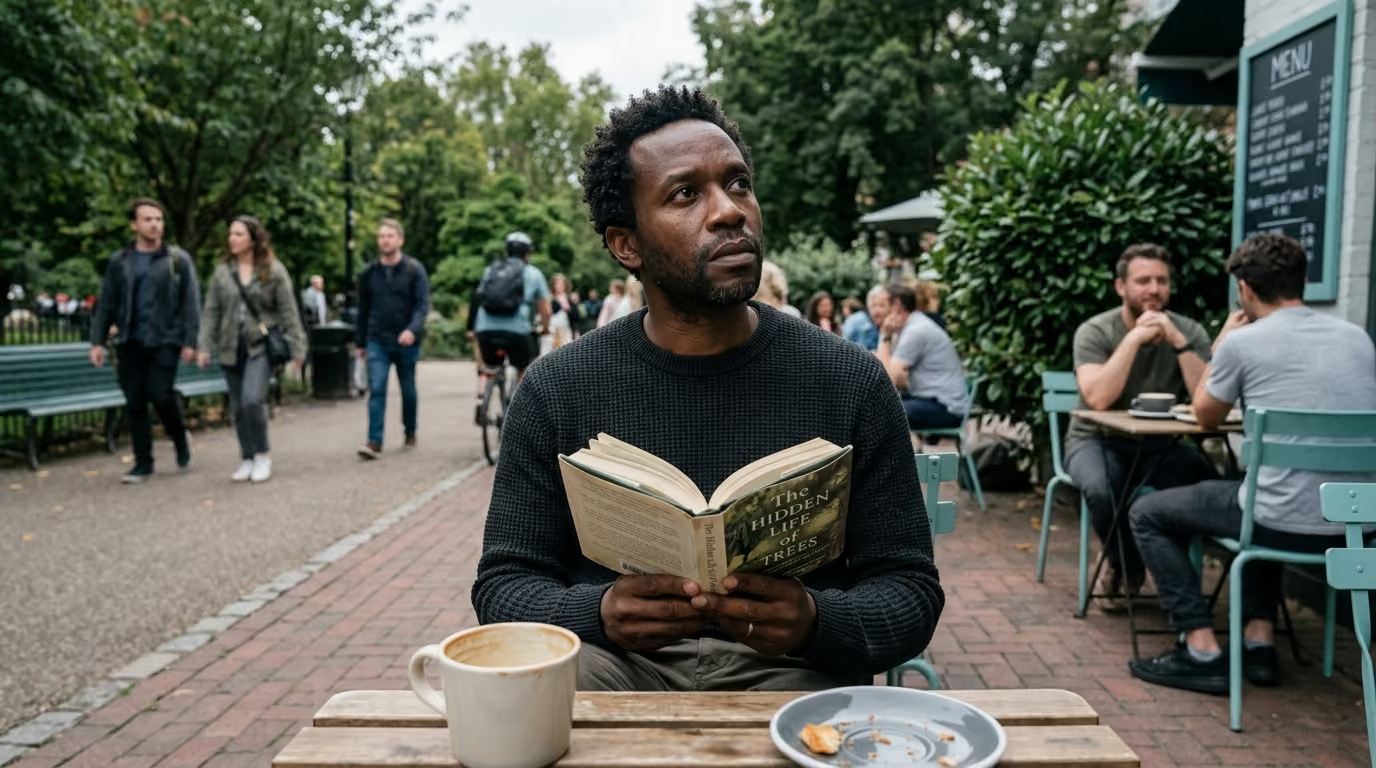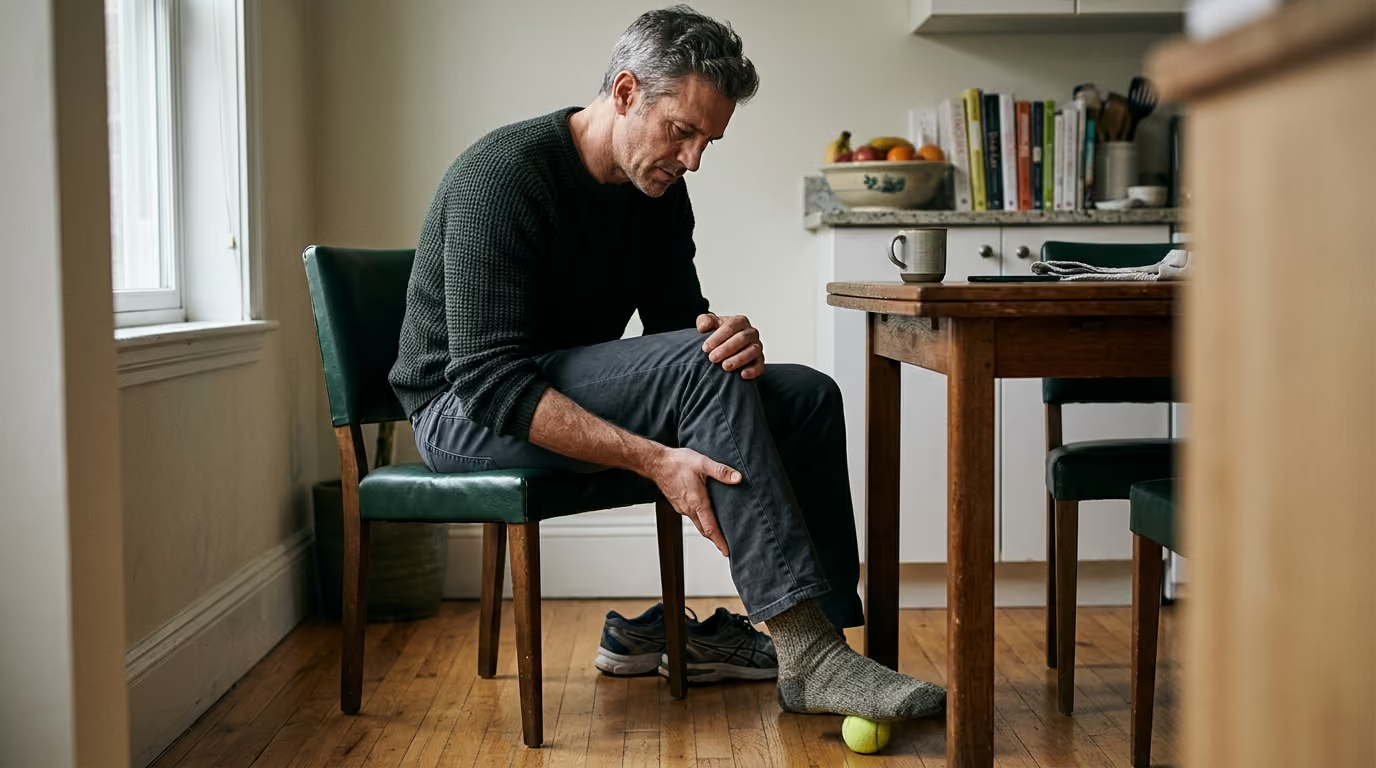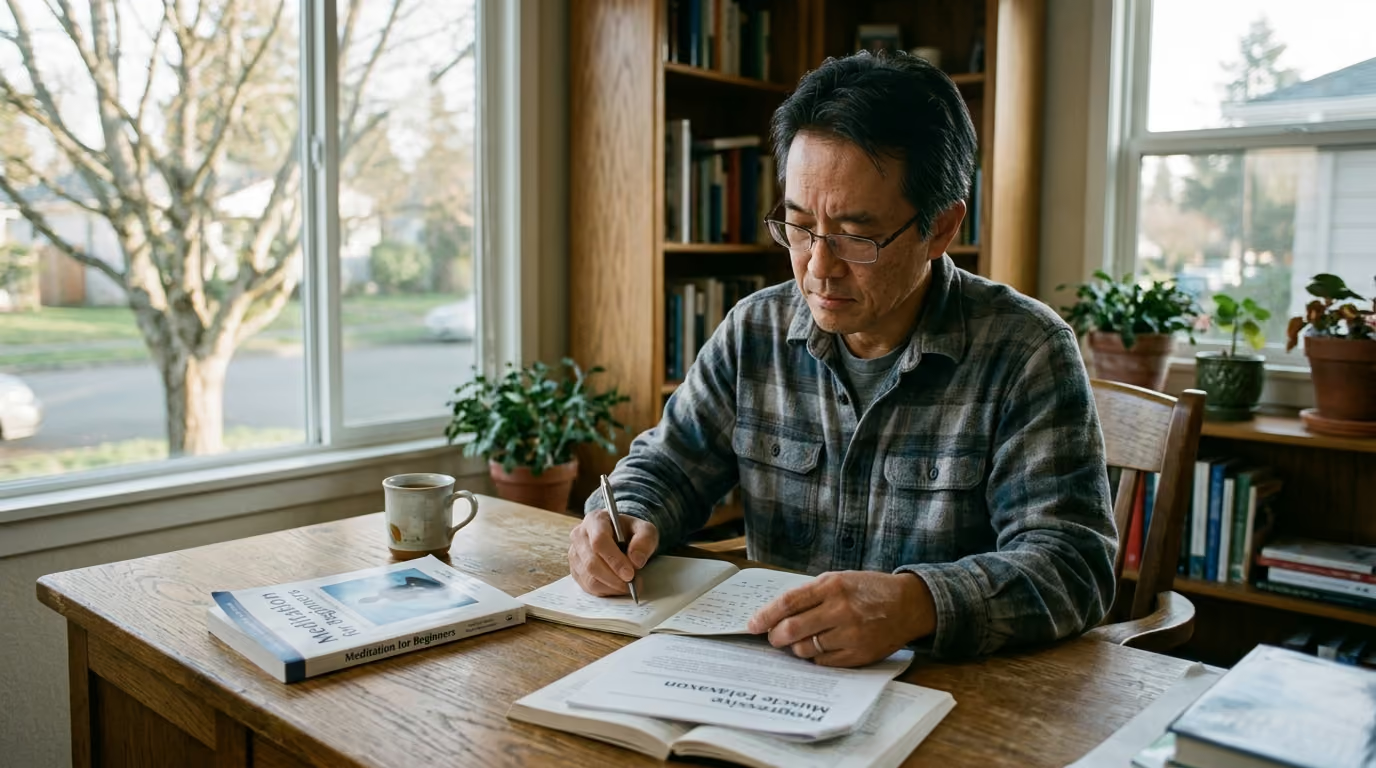

Five evidence-based relaxation methods offer measurable relief for physical tension, anxiety, and daily stress when matched to your specific physiological symptoms.





Most advice about stress assumes that relaxation is a single, universal state. People are routinely told to sit still, close their eyes, and empty their minds. When sitting in silence makes their heart race or amplifies their worries, they assume they have failed.
The physiological reality is quite different. Relaxation is not a single activity, and stillness is not a universal medicine. The human nervous system responds to distinct sensory, cognitive, and physical inputs in varying ways. A method that calms a person dealing with physical exhaustion may provoke panic in someone experiencing acute sensory overload.
Selecting the right approach requires looking beyond generic wellness claims. This guide breaks down the clinical research behind five primary practices: mindfulness, meditation, progressive muscle relaxation, guided imagery, and sensory grounding. By comparing their mechanisms, cognitive demands, and evidence profiles, you can build a reliable routine that matches your symptoms, schedule, and tolerance for stillness.
Scientific research does not treat relaxation as an instant cure. The physiological target of these practices is the relaxation response, a term used in clinical literature to describe a measurable drop in heart rate, blood pressure, respiratory rate, and muscle tension. According to the National Center for Complementary and Integrative Health (NCCIH), this shift helps the body transition away from sustained sympathetic nervous system activation.
The strength of evidence varies significantly across different methods:
In a comprehensive systematic review and meta-analysis published in JAMA Internal Medicine, researchers evaluated 47 randomized clinical trials of meditation programs involving over 3,500 participants. The findings showed moderate evidence that mindfulness meditation programs produce small improvements in anxiety, with an effect size of 0.38 at eight weeks and 0.22 at three to six months. The review also reported moderate evidence for small improvements in depression, with an effect size of 0.30, and pain, with an effect size of 0.33.
The same meta-analysis found only low evidence for improvements in general stress, emotional distress, or overall health-related quality of life. The clinical evidence for meditation comes primarily from structured, multi-week programs rather than single, isolated sessions. While a brief five-minute breathing exercise can offer temporary relief, documented clinical changes require regular, repeated practice.
Progressive muscle relaxation (PMR) has a strong track record in clinical and occupational settings. A 2024 systematic review published in PubMed Central confirmed that PMR is beneficial for reducing symptoms of stress, anxiety, and depression in adult populations. By systematically contracting and releasing specific muscle groups, PMR provides clear physical feedback that helps individuals identify and release involuntary muscular bracing.
Comparative trials show that PMR performs well when measured against other non-pharmacological interventions. In studies evaluating adults facing high-stress performance environments, PMR demonstrated statistically significant reductions in subjective tension and physiological markers of arousal compared to passive rest control groups.
Guided imagery relies on focused mental visualization to evoke physiological relaxation. Clinical studies show that guided imagery can reduce stress and situational anxiety, including test anxiety and procedural distress. Research comparing guided imagery directly to PMR indicates that both interventions can reduce physical and emotional strain, though individual responses depend heavily on a person's ability to form vivid mental images.
The evidence base for sensory grounding differs from meditation and PMR. Grounding techniques are widely used in trauma-informed clinical care and crisis stabilization. Clinical protocols from healthcare bodies show that grounding effectively interrupts emotional flooding, acute panic, and dissociation by redirecting attention toward immediate physical reality.
Grounding is primarily studied as an acute stabilizing practice rather than a long-term preventive regimen. It should also not be confused with earthing, which claims that direct skin contact with the ground conducts electrical charges into the body. Sensory grounding is a cognitive and perceptual intervention focused entirely on present-moment orientation.
The human stress response follows a predictable five-stage sequence:
When daily pressures become continuous, the fifth stage fails to occur. The body stays in a state of high readiness, keeping cortisol elevated, heart rate variability low, and muscles tense. Over time, this unresolved activation disrupts sleep architecture, impairs digestive function, and reduces daytime cognitive stamina.
Using targeted relaxation practices helps initiate the recovery stage. Lowering physical arousal reduces the physiological tax of daily demands, preventing cumulative fatigue. These techniques do not remove external responsibilities, but they stop the nervous system from treating routine mental tasks as physical emergencies. Exploring practical tools for recovery and nervous system balance allows you to protect long-term cognitive stamina and emotional stability.
To choose the best method for your needs, you must understand how each practice works. These five approaches engage attention, physical effort, and sensory processing in distinct ways.
Mindfulness is the practice of observing present-moment experience with deliberate awareness and an attitude of curiosity rather than judgment. It is not an attempt to force the mind to be quiet. Practitioners observe thoughts, physical sensations, emotions, and external sounds exactly as they arise.
Concentration meditation involves focusing attention on a single reference point. This anchor can be the sensation of the breath at the nostrils, a repeated phrase or mantra, a steady sound, or an external object like a candle flame. Whenever attention drifts, you gently redirect it back to the chosen anchor.
Developed by physician Edmund Jacobson, PMR focuses on the direct connection between mental stress and somatic tension. The practitioner deliberately tenses a specific muscle group for five to seven seconds, notices the sensation of tension, and then abruptly releases it for twenty to thirty seconds. The exercise moves systematically through major muscle groups, typically starting at the feet or hands and working through the entire body.
Guided imagery uses detailed sensory visualization to shift psychological and physiological states. Practitioners listen to a narrator or follow an internal script that describes a calming, safe, or engaging environment. The practice engages multiple senses by imagining colors, sounds, scents, physical textures, and temperatures associated with the imagined setting.
Sensory grounding utilizes immediate physical perceptions to re-anchor the nervous system in the present environment. Common formats include the 5-4-3-2-1 method, naming objects in the room, touching distinct textures, feeling the feet on the floor, or using temperature changes like splashing cool water on the face. Grounding does not require a person to feel relaxed; its primary goal is orientation and cognitive stability.
Choosing a practice based on your current physical and emotional state works far better than picking one at random. Match your primary symptom to the appropriate technique below.
If your primary symptom is somatic tension, such as tight shoulders, a locked jaw, shallow chest breathing, or tension headaches, start with progressive muscle relaxation. People who store stress physically often find mental-only exercises frustrating. PMR gives the nervous system an active physical task with clear somatic feedback.
Focus on a brief five-group sequence: hands and forearms, shoulders and neck, jaw and face, abdomen, and legs. If you have chronic neck or back pain, simply bring attention to those areas and release existing tension without tensing first.
When the body feels exhausted but the mind refuses to stop planning or replaying conversations, mindfulness or concentration meditation provides a helpful framework. These practices teach you to observe thoughts as temporary mental events rather than urgent demands that require immediate action. If you struggle with bedtime mental overload and racing thoughts, labeling thoughts as "thinking" allows the brain to disengage without forcing silence.
If sitting quietly with your thoughts increases bedtime frustration, switch to guided imagery. A structured audio narration gives the brain an external track to follow, reducing the mental space available for worry.
When the nervous system is overwhelmed by acute fear, rapid heart rate, or a sense of impending doom, avoid closed-eye meditation or deep body scans. Looking inward during acute panic can increase hypervigilance and heighten distress.
Instead, use external sensory grounding. Keep your eyes open, sit upright, and speak your observations aloud:
This process redirects cognitive resources away from internal threat appraisal and back to actual physical safety.
Stress can sometimes cause a person to feel numb, spaced out, or disconnected from their surroundings. Sitting motionless in a dark room often deepens this sense of unreality.
Choose active, somatosensory grounding instead. Stand barefoot on a firm floor, press your palms firmly against a wall, hold a cold object, or take a walk while intentionally noticing the impact of each heel strike. The goal is sensory contact and clear orientation to the room, not deep relaxation.
Many people abandon relaxation practices because sitting still makes them feel restless or agitated. If you have high physical energy or feel fidgety, do not force yourself into motionless meditation.
Begin with active approaches like progressive muscle relaxation, walking mindfulness, or rhythmic stretching. Physical movement burns off excess adrenaline while keeping attention anchored in bodily sensations.
Consistency matters far more than session duration. A three-minute practice completed daily provides better nervous system regulation than an hour-long session attempted once a month. Use the tiered routines below based on your available time.
Use this micro-practice when shifting between demanding tasks or during moments of acute daily frustration:
This routine helps interrupt cumulative physical tension during the workday:
A fast, highly effective routine for the late afternoon or right after finishing work:
Use this longer session in the evening or during dedicated rest periods to support deep autonomic recovery:
Implementing these scalable routines helps you build sustainable stress management and mental resilience strategies that adapt to busy schedules.
Adopting a relaxation practice often fails when people bring unrealistic expectations to the process. Recognizing these common misconceptions will keep your routine practical and sustainable.
Relaxation techniques are skills that train nervous system adaptability, not instant switches that turn off all stress. A practice can be successful if it simply prevents tension from escalating, increases bodily awareness, or helps you make a deliberate choice during a stressful day. Expecting immediate bliss often creates performance anxiety around rest itself.
There is no physiological rule stating that recovery requires lying motionless in the dark. For many people, particularly those with high sympathetic arousal, enforced stillness triggers restlessness. Gentle walking, stretching, and physical muscle release are valid forms of nervous system regulation.
Meditation and mindfulness do not require you to stop thinking entirely. The human brain naturally generates thoughts. The purpose of practice is learning to notice when attention has drifted and gently returning to your anchor. Judging yourself for having thoughts turns a restorative practice into an exhausting mental struggle.
Popular wellness advice frequently promotes complex or forceful breathing techniques. However, aggressively forcing deep breaths can trigger hyperventilation, dizziness, and increased anxiety in sensitive individuals. Breathing during relaxation should always feel smooth, comfortable, and sustainable. If breath control ever causes discomfort, drop the technique and switch your attention to external sounds or physical contact with the floor.
Sensory grounding is an evidence-supported cognitive practice that anchors attention in present-moment sensory details. Earthing refers to the alternative claim that physical contact with the Earth transfers electrical electrons to reduce inflammation. While walking barefoot outdoors can feel pleasant, sensory grounding operates through perceptual orientation and attention regulation, not electrical physics.
If a practice increases your panic, brings up intrusive memories, or makes you feel detached from reality, do not try to push through it. Stop the exercise immediately, open your eyes, look around the room, touch a solid surface, and speak aloud to ground yourself in your physical environment. Adapting or changing a practice to maintain safety is good self-regulation, not a failure of discipline.
While relaxation practices offer clear benefits for daily stress management, their clinical scope has definite boundaries. Understanding what research does and does not support protects you from exaggerated marketing claims.
The vast majority of positive findings in meditation research come from structured, eight-week programs like Mindfulness-Based Stress Reduction (MBSR), which involve extensive instructor guidance and daily 45-minute home practices. Research on brief, five-minute smartphone applications shows smaller, less consistent outcomes. While short exercises are useful coping tools, they should not be expected to produce the same physiological changes documented in formal clinical trials.
A comprehensive 2021 clinical review on mind-body interventions concluded that relaxation techniques lack sufficient evidence to serve as standalone, primary treatments for clinical anxiety disorders, major depressive disorder, or post-traumatic stress disorder. These practices function best as supportive, adjunctive tools alongside standard medical and psychological care. For chronic sleep disruption, clinical literature also notes that relaxation techniques alone are significantly less effective than structured behavioral habits for persistent sleep difficulty.
Relaxation is widely considered safe for healthy adults, but adverse experiences do occur. According to safety reviews cited by NCCIH, approximately eight percent of participants in meditation studies reported unwanted negative effects. These effects most commonly include paradoxical anxiety, worsening depressive thoughts, agitation, or a fear of losing control.
Adverse reactions are more common in people with active psychiatric conditions, trauma histories, or seizure disorders. If turned inward, deep body scans and closed-eye meditation can occasionally trigger trauma-related intrusions or severe dissociation. Acknowledging these potential limitations allows individuals to choose trauma-informed, outward-facing practices when appropriate.
Relaxation techniques are valuable tools for managing routine lifestyle strain, daily cognitive demands, and minor somatic tension. However, self-directed practices are not a substitute for clinical diagnosis and medical care.
You should consult a qualified healthcare provider or licensed mental health professional if you experience:
When chronic physical fatigue leaves you wondering whether you are facing mental exhaustion, medical illness, or sleep deprivation, evaluating mental fatigue and physical energy can help you decide when to seek professional guidance.
Choosing the right relaxation technique is entirely a matter of matching the method to your symptoms, preferences, and physiological tolerance.
Stay connected for research and practical guidance on sleep, stress, circadian rhythm and recovery. Clear ideas for adults 35+ who want better rest, steadier energy and more resilient days.



Explore practical guidance on sleep, stress and recovery without chasing every new hack, device or promise.
explore the blog