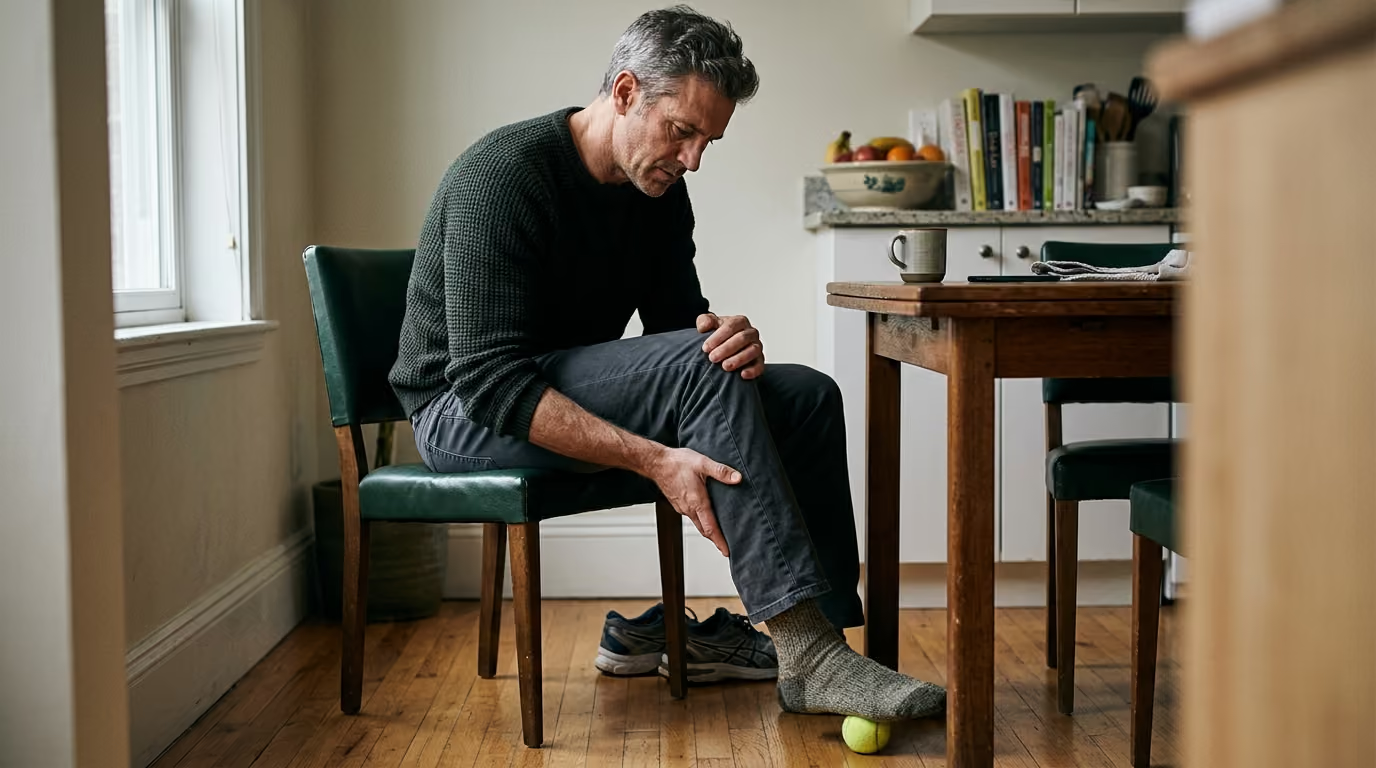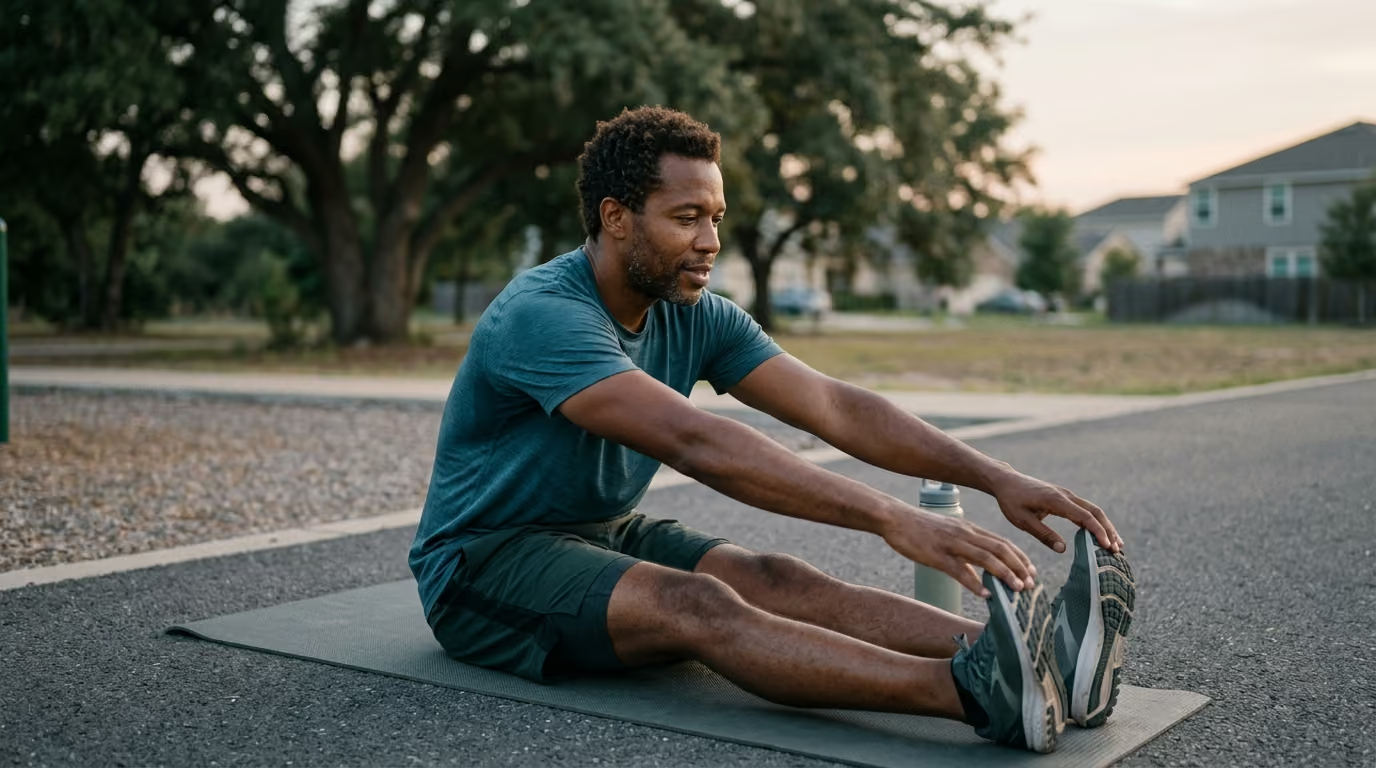

Four distinct exercise modalities enhance slow-wave sleep and accelerate physical recovery when training volume is balanced with individual stress levels and bedtime proximity.





Many people search online for why a hard workout leaves them staring at the ceiling at midnight. Others search for the exact time of day they must train to fix broken sleep. The answers online are often rigid, conflicting, and full of extreme claims. This guide provides a definitive examination of how exercise influences nighttime recovery.
Current evidence demonstrates a clear positive relationship between regular physical activity and sleep quality. Meta-analyses show that consistent exercise shortens the time it takes to fall asleep. It increases total sleep duration and improves overall sleep efficiency. The evidence is strongest for regular, long-term exercise patterns rather than single emergency workouts.
The relationship between movement and rest is not a simple equation where harder training equals deeper sleep. Your baseline sleep quality, overall stress load, workout timing, and recovery capacity all shape the final outcome. Understanding these variables allows you to build a movement pattern that supports restorative rest instead of creating more physical strain.
Sleep is not a uniform state of unconsciousness. It is an active biological process divided into distinct stages that serve specific restorative functions. Light non-REM sleep acts as a transition phase. Slow-wave sleep, or deep sleep, supports tissue repair, immune function, and physical restoration. Rapid eye movement sleep supports emotional regulation and memory processing.
Physical activity influences this architecture through several distinct physiological mechanisms. When you contract muscles during exercise, your body expends adenosine triphosphate for energy. The breakdown of this cellular fuel increases levels of adenosine in the brain. Adenosine is the primary chemical driver of homeostatic sleep pressure, the biological urge to sleep that builds throughout waking hours.
Thermoregulation is another primary pathway connecting exercise to rest. During physical exertion, your core body temperature rises. As your workout ends, blood vessels near the skin dilate to release excess heat. This post-exercise cooling mirrors and accelerates the natural circadian drop in core body temperature required for sleep initiation.
Exercise also alters autonomic nervous system balance over time. A single workout creates a temporary increase in sympathetic activity and stress hormones like cortisol. Regular training increases resting parasympathetic tone. This shift improves your ability to downshift into a calm state at night, supporting deeper and less fragmented sleep.
Subjective sleep quality reflects how restored and capable you feel upon waking. Objective sleep quality measures measurable biological markers like sleep stages and wake episodes. Physical activity consistently improves subjective ratings of rest. It also creates measurable reductions in wake time after sleep onset.
Understanding the foundations of better sleep quality requires recognizing that exercise is a powerful physiological signal. When applied appropriately, physical exertion reinforces the natural biological rhythms that govern human rest.
Scientific literature makes a fundamental distinction between acute and chronic exercise. Acute exercise refers to a single training session and its direct effect on the following night. Chronic exercise refers to a structured habit maintained over weeks or months. Confusing these two categories often leads to unrealistic expectations.
A single workout produces small improvements in sleep latency and sleep efficiency. It can slightly increase total sleep time and slow-wave sleep for that specific night. A single session cannot undo weeks of chronic sleep restriction. Expecting one hard run to erase accumulated sleep debt often leads to disappointment and frustration.
Regular exercise maintained over time produces much larger, more reliable adaptations. Meta-analyses show that chronic exercise programs deliver moderate-to-large improvements in overall sleep quality. Regular training shortens sleep onset latency significantly across diverse age groups. It also produces meaningful decreases in wake time during the middle of the night.
Long-term physical training changes the baseline state of your central nervous system. It stabilizes neuroendocrine pathways that manage physical and emotional stress. This chronic adaptation makes your sleep architecture less vulnerable to daily disruptions. A person who trains regularly will generally maintain better sleep stability during stressful life events.
The table of physiological adaptations shows why patience is required when using movement to improve rest:
If you have experienced poor rest for months, focus on building consistency over weeks. Do not evaluate the success of an exercise routine based on a single night. Lasting physiological change requires repeated cellular signals over time.
Different forms of physical activity impose unique demands on the cardiovascular system, muscular structures, and central nervous system. Research shows that aerobic training, resistance exercise, and walking all offer distinct sleep benefits. No single modality holds an absolute monopoly on improving rest.
Aerobic exercise involves continuous, rhythmic movement of large muscle groups over extended periods. Examples include brisk walking, cycling, swimming, rowing, and jogging. This modality has the largest body of supporting evidence in sleep research.
Regular moderate aerobic activity reliably reduces the time required to fall asleep. It increases total sleep duration and reduces nocturnal awakenings in adults. The World Health Organization recommends accumulating 150 to 300 minutes of moderate-intensity aerobic activity per week. Meeting these guidelines provides a strong foundation for both cardiovascular health and restorative sleep.
Aerobic movement stimulates metabolic expenditure and builds steady sleep pressure. It also facilitates blood flow to the brain and peripheral tissues. For adults looking to improve rest, starting with moderate aerobic work is the most reliable baseline intervention.
Walking is often overlooked because it lacks the intensity of structured athletic training. It represents one of the most effective, low-friction tools for improving sleep quality. Walking produces cardiovascular benefits without placing severe demands on the central nervous system.
Walking can be divided into three strategic applications throughout the day:
In older adults and sedentary populations, regular walking programs significantly enhance subjective sleep quality. Walking rarely causes excessive muscle damage or delayed onset muscle soreness. This makes it an ideal choice when energy reserves are already low.
Resistance training includes free weights, resistance machines, bodyweight movements, and resistance bands. Historically viewed solely as a tool for muscle growth, strength training is now recognized as a powerful aid for sleep.
Systematic reviews demonstrate that chronic resistance training improves overall sleep quality scores. It provides benefits comparable to aerobic exercise for reducing nighttime awakenings. Strength training may support sleep by improving physical function, reducing chronic musculoskeletal discomfort, and regulating glucose metabolism.
A sleep-supportive resistance routine does not require training to muscular failure. Lifting moderate weights with controlled technique provides sufficient stimulus to support rest. The World Health Organization recommends muscle-strengthening activities involving major muscle groups at least two days per week.
High-intensity interval training, or HIIT, alternates short bursts of near-maximal effort with periods of rest. HIIT provides rapid cardiovascular adaptations in minimal time. Its relationship with sleep is more nuanced than that of moderate exercise.
Studies examining acute evening HIIT show that sessions ending two to four hours before bedtime do not disrupt overall sleep efficiency in healthy adults. Some meta-analyses note a small reduction in REM sleep percentage following very intense nighttime workouts. High-intensity training creates a larger surge in sympathetic nervous system activity and core temperature.
HIIT can be an effective component of a weekly routine when placed earlier in the day. Performing high-intensity intervals late in the evening can leave some individuals feeling excessively alert. If you choose interval training, monitor your individual response carefully.
The question of when to exercise is one of the most debated topics in sleep science. Popular advice frequently warns against exercising in the evening, claiming it inevitably destroys sleep quality. Modern research paints a much more flexible and nuanced picture.
Systematic reviews comparing morning, afternoon, and evening workouts show no universal superior time for sleep enhancement. Healthy adults can achieve meaningful sleep improvements regardless of when they train. The best workout time is primarily the time that fits your personal schedule consistently.
Morning workouts offer distinct advantages for certain schedules. Exercising early establishes a reliable daily routine and eliminates the risk of work conflicts canceling your session. Morning training, especially outdoors, helps advance the circadian phase, making it easier to fall asleep earlier at night.
Afternoon exercise coincides with the natural peak in human core body temperature and muscular strength. Physical performance is often highest between 2:00 PM and 6:00 PM. Training during this window allows for high physical output while leaving several hours for core temperature and heart rate to return to baseline.
Evening exercise is far less disruptive than commonly believed. Systematic reviews confirm that moderate-intensity exercise completed in the evening does not impair sleep in healthy adults. In some trials, moderate exercise completed four hours before bedtime produced the greatest reductions in wakefulness during the night.
Workouts ending less than one hour before bedtime require caution. Intense exertion immediately before sleep can elevate heart rate, increase core temperature, and stimulate alertness. Easy mobility routines or light walks are well tolerated before bed, while heavy lifting or sprinting should be completed earlier.
If your only available window to exercise is after work, you do not need to skip your workout out of fear. Pay attention to how your body responds. If you notice persistent sleep latency after late sessions, move your harder workouts slightly earlier or reduce their intensity.
Understanding your circadian rhythm and sleep timing helps you schedule activity around your natural biological patterns.
The physiological effect of exercise is not identical for every individual. Multiple biological and environmental factors alter how training affects your nightly rest. Recognizing these variables prevents unnecessary frustration when your body responds differently from general population averages.
As adults cross age 35, biological recovery dynamics begin to shift. Muscular protein synthesis rates slow down, and connective tissues require more time to repair. Hormonal profiles change gradually, and deep slow-wave sleep naturally decreases with age.
These normal changes mean that excessive exercise volume can create lingering systemic fatigue. A workout routine that felt easy at age 25 may tax recovery reserves at age 45. Adults over 35 benefit from prioritizing movement quality, adequate rest between sets, and deliberate recovery days. Understanding why physical recovery feels slower after 35 helps in designing sustainable routines.
Exercise is a form of physiological stress. Your body processes physical training using the same neuroendocrine pathways that manage psychological stress from work or family life. When your daily mental load is exceptionally high, adding high-volume exercise can overwhelm your adaptive capacity.
If you are experiencing severe workplace stress or caregiving strain, a brutal workout adds to that burden. In such phases, moderate aerobic sessions, gentle strength work, and walking support sleep better than punishing workouts. Observing how persistent stress alters daily rest provides clarity on when to scale back intensity.
Exercise dose is determined by frequency, duration, and intensity. Training too frequently without rest days accumulates systemic fatigue. When training density is too high, the central nervous system remains in a state of chronic sympathetic activation.
This state interferes with the nocturnal drop in heart rate and prevents restful sleep. Balancing hard training days with active recovery days allows your autonomic nervous system to recalibrate. Rest is the window in which physiological adaptations actually occur.
Exercising in hot, humid conditions forces the cardiovascular system to work harder to dissipate heat. This prolongs the time required for core body temperature to normalize after the session. Dehydration further impairs temperature regulation and elevates nocturnal heart rate.
If you train in warm environments, focus on aggressive post-workout cooling and adequate fluid replacement. Taking a lukewarm shower after training aids peripheral vasodilation and speeds up core temperature reduction.
Physical activity is intended to support health and rest. When misapplied, it can become an additional source of sleep disturbance. Recognizing common training errors helps you make timely adjustments before severe fatigue sets in.
One common pitfall is the belief that harder workouts always create deeper sleep. This misconception leads people to push to exhaustion every session. While light to moderate exercise consistently improves sleep metrics, chronic high-intensity training without recovery degrades sleep efficiency.
Another mistake is using exercise as an aggressive fix for acute insomnia. When individuals struggle to sleep, they sometimes respond by doubling their workout volume the next day. This creates extreme physical exhaustion layered on top of an already depleted nervous system, often worsening sleep anxiety.
Overreaching occurs when training volume outpaces recovery capacity over several days or weeks. One of the earliest clinical signs of overreaching is disrupted sleep. Athletes and regular exercisers experiencing overreaching often report difficulty falling asleep, restlessness, and waking unrefreshed.
A final error is turning movement into a rigid, anxiety-inducing requirement. If missing a planned workout creates severe guilt or fear of sleeping poorly, the psychological distress outweighs the physical benefit. Exercise should serve as a flexible foundation for health, not an inflexible performance metric.
Relying on weekend catch-up sleep cannot fully resolve chronic overreaching during the workweek. Structuring manageable weekly training loads is a far more effective strategy for sustained energy.
To make physical activity truly restorative, you need a practical, sustainable framework. A structured approach removes guesswork and prevents training from becoming another source of daily mental strain.
You do not need an elaborate fitness regime to experience sleep improvements. The minimum effective movement principle focuses on establishing the smallest repeatable daily habit that yields positive biological results.
Replacing 30 minutes of sedentary time with light activity produces measurable health benefits. If time or energy is constrained, start with simple actions:
These brief sessions accumulate across the week. They build consistent homeostatic sleep pressure without draining your energy reserves.
This three-tier framework provides a sustainable progression for organizing physical activity across months and years.
Base: Establish frequent, low-demand movement as a permanent daily habit. This includes walking, gentle mobility, stretching, and standing periodically during work. The base level incurs almost no recovery cost and can be maintained during periods of high stress.
Build: Add structured aerobic and resistance training sessions to your base. Aim for two weekly strength sessions covering major movement patterns, combined with two to three moderate aerobic workouts. This tier drives cardiovascular fitness, muscle maintenance, and deeper slow-wave sleep.
Balance: Continuously monitor your body's response to training. If sleep quality declines for three consecutive nights, temporarily scale back the Build tier while maintaining your Base movement. When energy and sleep stabilize, return to your regular training volume.
The following sample schedules demonstrate how to structure weekly training to support restorative sleep across different lifestyle contexts.
While the benefits of exercise on rest are substantial, it is essential to understand the limits of current scientific evidence. Physical activity is a foundational health behavior, but it is not a universal cure for complex medical sleep disorders.
Research on exercise and sleep relies on a mix of subjective questionnaires, wearable actigraphy, and laboratory polysomnography. While laboratory polysomnography provides precise measurements of brain waves and sleep stages, it is expensive and typically conducted over short periods. Wearable fitness trackers provide long-term behavioral data, but their proprietary algorithms cannot diagnose sleep disorders or measure sleep stages with perfect accuracy.
Much of the literature on workout timing consists of small to moderate sample sizes. While meta-analyses consistently show that evening exercise is safe for the majority of healthy adults, individual variability remains real. A study reporting no average change in sleep latency across a group does not guarantee that every individual will experience zero disruption.
It is vital to distinguish between general poor sleep due to sedentary living and clinical sleep disorders. Chronic insomnia involves persistent difficulty falling or staying asleep at least three nights per week for three months or longer, accompanied by daytime impairment.
The American Academy of Sleep Medicine establishes Cognitive Behavioral Therapy for Insomnia (CBT-I) as the primary first-line treatment for chronic insomnia disorder. Sleep hygiene education and exercise alone are not endorsed as standalone therapies for clinical insomnia. Exercise serves as a valuable supportive behavior alongside CBT-I, but it cannot replace targeted cognitive and behavioral interventions.
Obstructive sleep apnea is another common condition characterized by repetitive airway collapse, loud snoring, gasping, and severe daytime fatigue. Regular exercise can improve daytime alertness and metabolic health in individuals with sleep apnea. Physical activity alone does not resolve the physical obstruction of the upper airway.
If you experience persistent non-restorative sleep, loud habitual snoring, witnessed breathing pauses, severe morning headaches, or sudden daytime sleepiness, seek an evaluation from a qualified medical professional or sleep specialist. These symptoms require comprehensive clinical assessment rather than simply increasing your daily workout volume.
The most effective training routine is one that supports your daily life without becoming an added source of pressure. Use this checklist to align your physical activity with your recovery needs this week:
Regular physical movement provides a biological foundation for deep rest, but it works as a gentle, continuous rhythm rather than an immediate sedative. Prioritize consistency, respect your body's recovery signals, and allow your training to support the rest you need.
Stay connected for research and practical guidance on sleep, stress, circadian rhythm and recovery. Clear ideas for adults 35+ who want better rest, steadier energy and more resilient days.



Explore practical guidance on sleep, stress and recovery without chasing every new hack, device or promise.
explore the blog