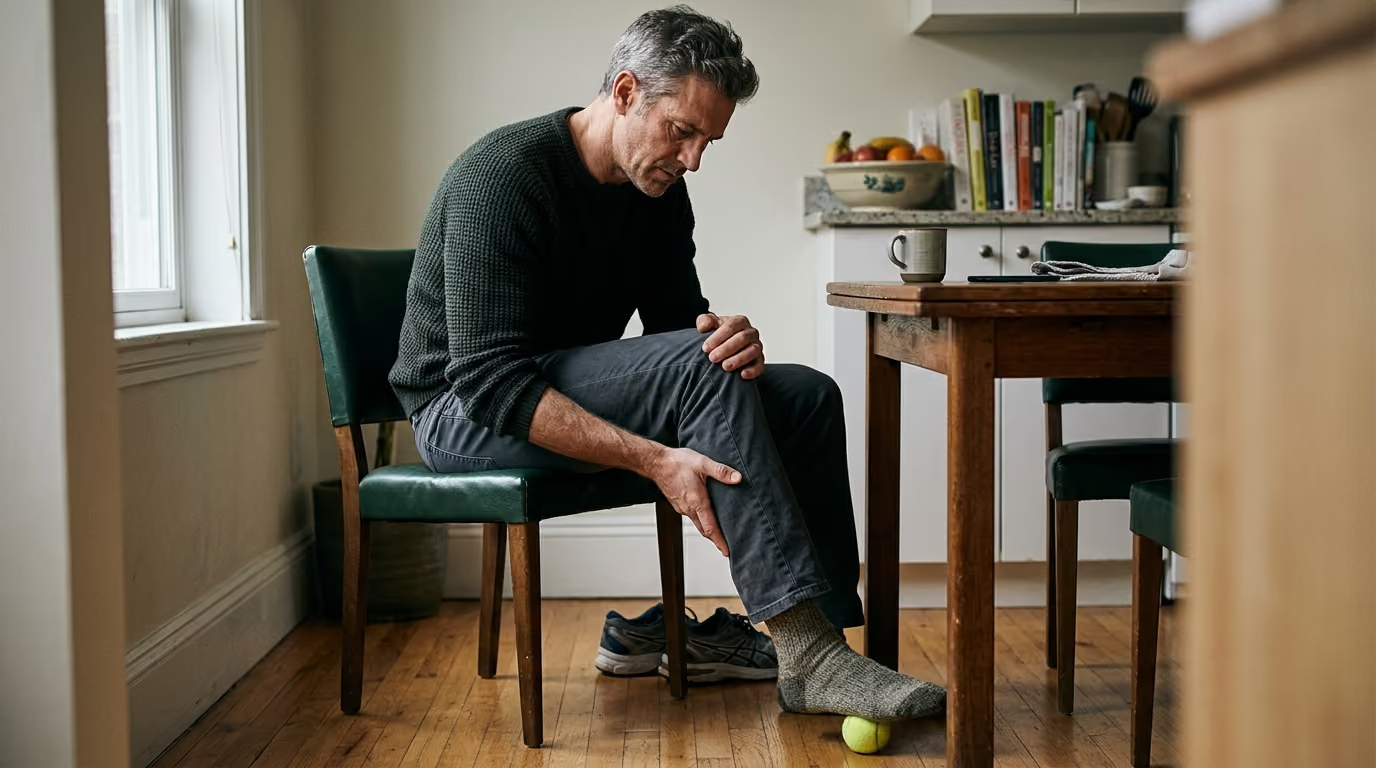

Struggling to maintain your daily stamina past age thirty-five often reflects natural changes in sleep architecture, hormones, and lifestyle routines that require targeted support.





If you are in immediate danger, call 911. For 24/7 support, call or text 988 and press 1 for the Veterans Crisis Line, or text 838255.
You wake up after seven hours in bed, but your morning routine feels heavier than it did ten years ago. A late dinner or a stressful work week lingers for days. You might wonder if your metabolism suddenly broke or if you are experiencing early burnout.
Many adults notice their stamina becomes less predictable in midlife. The body no longer absorbs sleep loss, physical strain, or erratic schedules with the same flexibility.
These changes rarely point to a sudden biological failure. Instead, they reflect gradual shifts in sleep architecture, circadian rhythm, muscle mass, life stress, and recovery capacity. Understanding how these biological systems interact helps you manage daily energy without panic or unnecessary medical treatments.
Energy does not drop off a cliff on your thirty-fifth birthday. Large reviews from the National Institutes of Health show that physiological aging happens across a smooth continuum. The physical shifts that begin in early adulthood become more noticeable in your late thirties, forties, and fifties because daily responsibilities often peak at the same time.
Scientific literature also shows that low energy is not a single, uniform symptom. Clinicians and researchers separate fatigue into distinct categories:
These categories require different responses. Sleepiness points toward sleep loss or breathing disruptions during the night. Weakness requires a review of neuromuscular, nutritional, or metabolic health. Low motivation often relates to emotional load or depressive symptoms.
When you read your energy more accurately, you can choose solutions that match your actual physical state instead of guessing.
Daily vitality relies on a network of physiological systems. When one system experiences minor friction, your overall capacity drops.
Sleep is organized into distinct cycles of light sleep, deep slow-wave sleep, and rapid eye movement sleep. Research on adult development shows that sleep architecture alters as the body ages.
Deep slow-wave sleep naturally declines across adulthood. This stage supports physical restoration, tissue repair, and immune regulation. Because older adults spend less time in slow-wave sleep, rest can feel lighter and more fragile.
Awakenings during the night become more frequent. You might wake up because of subtle muscle aches, temperature changes, or bladder signals that your brain previously ignored. These micro-awakenings reduce sleep efficiency, which is the percentage of time in bed spent asleep.
The National Sleep Foundation emphasizes that the human need for rest does not vanish with age. Adults aged 26 to 64 need 7 to 9 hours of sleep each night. Adults aged 65 and older generally require 7 to 8 hours.
The primary change is not a smaller sleep need. The primary change is a lower biological capacity to stay continuously asleep.
Your internal body clock directs hormone production, core body temperature, alertness, and digestion. With advancing age, this system undergoes two documented shifts:
A phase advance means you may feel ready for bed by 9:30 in the evening and naturally wake at 5:00 in the morning. If you force yourself to stay awake until midnight for social or professional reasons, you still wake up early. This mismatch cuts your total rest short and causes daytime fatigue.
Researchers refer to this timing mismatch as circadian strain. You can learn more about how midlife shifts your daily body clock to keep your schedule aligned with your biological tendencies.
Physical stamina depends on how well your cardiovascular system delivers oxygen and how well your muscles generate force. Muscle mass begins a slow decline around age 30, averaging roughly 1% loss per year in inactive individuals.
This loss remains minor through midlife, but it reduces your baseline capacity. When your baseline strength drops, ordinary tasks like carrying groceries or climbing stairs require a higher percentage of your maximum output. This makes everyday life feel more tiring.
Sarcopenia is the clinical diagnosis for significant loss of muscle mass and physical performance. Systematic reviews show that sarcopenia affects about 10% of older adults in community settings, with rates rising to between 11% and 50% in people over 80. Sarcopenia is uncommon in healthy 35-year-olds, but early muscle loss explains why recovery demands increase over time.
Gradual physical training builds your capacity back up. Comprehensive trial reviews show that six or more weeks of regular moderate exercise consistently improves vitality and reduces fatigue in healthy adults and those with chronic health conditions.
Your daily energy reflects more than just your age. Several biological and lifestyle variables influence how refreshed you feel from day to day.
Midlife often coincides with intense personal and professional demands. You may manage complex workplace projects, raise growing children, support aging parents, and navigate financial obligations.
This cognitive strain creates a steady drain on your nervous system. The NHS recognizes persistent stress, bereavement, caregiving, and mood changes as primary drivers of long-term fatigue.
When your brain stays on high alert, your body releases stress hormones that raise nighttime heart rates and disrupt sleep depth. Reading about how persistent stress alters daily rest provides clarity on how mental demands translate into physical depletion.
Hormone variations alter sleep patterns and energy production. In women, the transition into perimenopause and menopause can cause night sweats, hot flashes, and mood shifts.
Vasomotor symptoms interrupt sleep continuity and cause sudden nighttime awakenings. The UK National Institute for Health and Care Excellence notes that laboratory blood tests are rarely needed to identify perimenopause in women over 45 with typical symptoms. Instead, symptom management and behavioral approaches, such as targeted cognitive behavioral strategies for sleep, offer reliable support.
Men also experience gradual declines in testosterone of about 1% per year after age 30. This gradual drop rarely produces sudden fatigue on its own, but it can contribute to slower exercise recovery and minor changes in body composition over several decades.
Prescription and over-the-counter medications can drain your stamina. Common contributors include:
Alcohol also disrupts sleep quality. A drink in the evening may help you fall asleep faster, but it suppresses rapid eye movement sleep and increases nighttime awakenings as the liver processes the alcohol.
Caffeine can create an unhelpful loop. Using caffeine to power through afternoon exhaustion blocks adenosine receptors in the brain. When caffeine stays in your system late into the evening, it delays sleep onset and lowers slow-wave sleep depth, leaving you tired the next day.
When energy drops, people often adopt habits that worsen the problem. Recognizing these patterns helps you protect your vitality.
Assuming that getting older automatically brings exhaustion causes people to overlook simple lifestyle fixes. Midlife fatigue usually comes from combined lifestyle pressures, light sleep, and reduced physical activity rather than untreatable aging.
Cutting sleep down to five or six hours because you wake up early harms cognitive performance. If you wake up early, shift your bedtime earlier to protect your 7 to 9 hour sleep opportunity.
Drinking more coffee temporarily hides sleepiness without resolving the underlying sleep debt. Late-day caffeine keeps your nervous system stimulated, making your next night of sleep even less restorative.
Rest is necessary during acute viral illness or physical injury. However, resting completely during periods of general fatigue leads to muscle deconditioning and lower cardiovascular capacity. Moderate movement restores stamina much better than sitting on the couch.
Buying random supplements without blood tests rarely works. While treating diagnosed deficiencies helps, taking excess vitamins does not boost energy if your nutrient levels are already normal.
Restoring your energy requires consistent habits that support your circadian rhythm, sleep architecture, and physical capacity.
Set a stable sleep schedule that allows 7 to 9 hours in bed each night.
Keep your wake time within a 30-minute window every day, including weekends. Waking up at the same time anchors your internal body clock and builds a steady sleep drive for the following evening.
Create a relaxing transition during the last hour before bed. Turn off work laptops, dim harsh overhead lights, and avoid intense emotional discussions late at night. Keep your bedroom cool, dark, and quiet to prevent middle-of-the-night awakenings.
Give your brain clear cues to distinguish day from night.
Get 10 to 20 minutes of natural outdoor light within an hour of waking up. Morning light exposure stops melatonin production and sets a timer for evening sleepiness.
Spend time outside during your lunch break or work near a bright window. In the evening, dim bright screens and indoor lights two hours before you intend to sleep.
Aerobic exercise strengthens your heart and helps your cells produce energy more efficiently. The World Health Organization recommends 150 to 300 minutes of moderate aerobic activity, or 75 to 150 minutes of vigorous activity, each week.
If you have been inactive, start with small, manageable sessions:
Focus on a conversational pace where you can talk in full sentences without gasping. This builds endurance without overwhelming your recovery capacity.
Lifting weights or using bodyweight movements preserves muscle mass, stabilizes joints, and makes daily tasks feel effortless. The World Health Organization recommends muscle-strengthening activities for all major muscle groups at least two days per week.
Focus on primary functional movements:
Start with one or two sets of 8 to 12 repetitions per exercise. Rest for a minute or two between sets and add weight slowly over several months.
Your body takes longer to recover from intense physical or mental effort as you age. Trying to train or work at maximum intensity every day leads to persistent fatigue.
Plan dedicated recovery days between hard workouts. On rest days, prioritize gentle walking, mobility exercises, and balanced meals.
You can read our guide on why physical recovery feels slower after 35 for practical recovery pacing methods.
Track your habits for two to three weeks to uncover why you feel tired. Use a notebook to record simple daily entries:
Review your notes after two weeks. You might discover that your afternoon fatigue only happens on days when you drink caffeine past 2:00 PM, sleep less than seven hours, or skip your daily walk.
Fatigue looks different depending on your daily routine, biology, and responsibilities. Here are five common patterns and how to handle them.
A 42-year-old manager finds herself nodding off on the couch by 9:00 PM. She wakes up at 4:30 AM and cannot get back to sleep. She feels exhausted because she tries to stay up until 11:00 PM to finish work and watch television.
The biological context: Her circadian rhythm has advanced to an earlier schedule. Fighting this shift by forcing late bedtimes shortens her total rest to five and a half hours.
The adjustment: Shift bedtime to 9:30 or 10:00 PM to match her body clock. Use bright light in the late afternoon to delay sleepiness slightly, and keep wake times consistent across the entire week.
A 50-year-old teacher spends eight hours in bed every night. He still feels sleepy during afternoon classes, wakes up with a dry mouth, and has morning headaches.
The biological context: Spending enough time in bed does not guarantee restorative sleep. Fragmented sleep from airway resistance, sleep apnea, or frequent awakenings prevents deep rest.
The adjustment: Talk to a doctor to evaluate possible sleep apnea. Avoid alcohol before bed, sleep on your side, and address nasal congestion.
A 47-year-old designer experiences dropping stamina, brain fog, and breathlessness when walking uphill. Her menstrual cycles have become heavier and less regular over the past year.
The biological context: Perimenopausal cycle changes can cause heavy blood loss, leading to iron deficiency or anemia. Attributing all her symptoms to perimenopause or stress can delay necessary treatment.
The adjustment: Consult a primary care physician for a complete blood count and ferritin test. If iron levels are low, targeted iron therapy and medical management of menstrual bleeding will restore energy.
A 56-year-old accountant moved to a sedentary remote job two years ago. He now feels exhausted after climbing stairs or doing weekend yard work.
The biological context: Months of sitting reduce cardiovascular efficiency and muscle strength. Everyday tasks now require a large percentage of his maximum capacity, producing quick exhaustion.
The adjustment: Start with three 10-minute walks each day. Add two short bodyweight strength sessions per week to rebuild functional strength and baseline stamina.
An active adult notices that light workouts cause severe physical exhaustion, joint aches, and brain fog that last for several days.
The biological context: Normal muscle soreness peaks within two days and improves with light movement. Disproportionate, delayed exhaustion that worsens over days is not normal deconditioning.
The adjustment: Stop high-intensity workouts immediately. Track symptom timing and schedule a medical evaluation to investigate post-viral syndromes, autoimmune conditions, or autonomic issues.
The wellness industry frequently promotes unproven products to people looking for more energy. Staying informed helps you avoid wasted time and money.
Direct-to-consumer testing companies sell broad blood panels that claim to uncover the secret cause of fatigue. These panels test dozens of obscure markers without a specific diagnostic question.
Clinical research from the American Academy of Family Physicians shows that indiscriminate blood testing rarely uncovers useful answers. Unfocused tests frequently reveal minor, harmless abnormalities that cause anxiety and lead to unnecessary follow-up procedures.
Hormone blood tests fluctuate wildly from day to day during perimenopause. A single blood draw showing high or low estrogen offers very little clinical value.
NICE guidelines advise clinicians to diagnose perimenopause based on age and cycle patterns rather than routine blood tests. Medical care should focus on managing specific symptoms like hot flashes or insomnia.
High-dose vitamin supplements are widely advertised for daily vitality. Unless a laboratory test confirms a genuine vitamin deficiency, taking high doses of B vitamins, vitamin C, or vitamin D will not increase stamina.
Excess water-soluble vitamins are eliminated in urine, while fat-soluble vitamins can accumulate to toxic levels.
Wearable smartwatches and rings estimate sleep stages and recovery using movement and heart rate sensors. These scores provide interesting personal observations, but they are not exact medical measurements.
Becoming overly focused on a low recovery score can cause anxiety and make you feel tired even when you slept well. Trust your actual physical sensations over an algorithm.
Occasional tiredness after poor sleep or a busy week is normal. Persistent fatigue that interferes with your work, relationships, and basic tasks warrants a medical evaluation.
A primary care physician can evaluate several treatable health issues:
Your doctor will likely conduct a focused clinical assessment:
Seek prompt medical evaluation if your fatigue occurs alongside any of the following symptoms:
These warning signs point to medical conditions that need direct clinical treatment rather than lifestyle adjustments.
Review this guide whenever your daily schedule, physical health, or stress levels undergo major shifts. Bookmark these sections when adjusting to a new work shift, recovering from an illness, or updating your weekly exercise plan.
Energy changes in midlife are manageable signals from your body, not signs of inevitable physical decline. Aligning your sleep timing, protecting your recovery, and building functional strength will help you maintain steady vitality through every decade.
Stay connected for research and practical guidance on sleep, stress, circadian rhythm and recovery. Clear ideas for adults 35+ who want better rest, steadier energy and more resilient days.



Explore practical guidance on sleep, stress and recovery without chasing every new hack, device or promise.
explore the blog