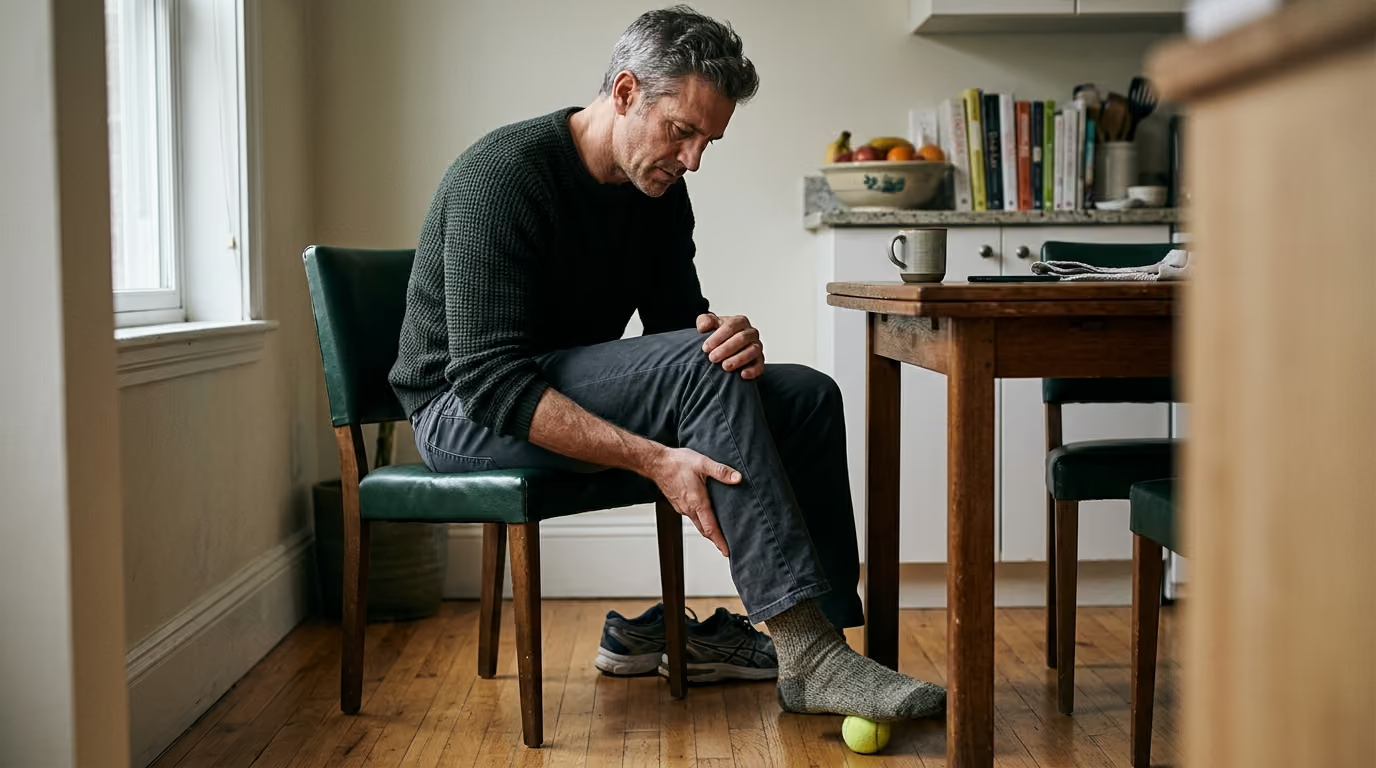

Everyday conditions that foster predictability and genuine social connection lower stress responses to help you build effective personal environments for sustainable recovery.





If you are in immediate danger, call 911. For 24/7 support, call or text 988 and press 1 for the Veterans Crisis Line, or text 838255.
Most advice about stress tells people to calm down through sheer willpower or isolated relaxation exercises. This approach assumes that rest is a skill you switch on whenever you choose. True physiological recovery rarely occurs because someone decided to relax. The body settles when its environment, routines, and relationships consistently signal that vigilance is no longer required.
Sustained rest is not just the absence of an immediate crisis. It is an ongoing biological assessment that one's surroundings are predictable, manageable, and supportive. When daily conditions remain volatile or socially demanding, the nervous system stays prepared for action. Understanding the specific conditions that signal safety allows adults over 35 to support recovery by adjusting external patterns rather than blaming themselves for feeling tense.
Scientific research across psychology, neurobiology, and occupational health shows that perceived safety directly shapes physiological recovery. The evidence base includes robust laboratory trials, long-term observational studies, and meta-analyses examining how social support, predictability, and personal control influence stress systems.
Laboratory experiments demonstrate clear physiological shifts when supportive conditions are present. A meta-analysis of 22 laboratory studies found that experimental social support reduced cardiovascular and endocrine reactivity during acute challenges. The researchers observed average effect sizes of 0.61 for heart rate and systolic blood pressure, 0.51 for diastolic blood pressure, and 0.83 for salivary cortisol. These findings show that a calming social presence can alter immediate bodily responses. The authors noted that laboratory settings represent controlled environments, meaning these findings provide tentative rather than universal proof for every daily situation.
Broader field research reveals a more complex picture. A meta-analysis examining 60 published and seven unpublished studies found effect sizes for social support and general health outcomes ranging between minus 0.02 and 0.22. A 2025 meta-analysis found that perceived social support was not significantly related to acute cardiovascular reactivity in every experimental context. This indicates that social contact influences long-term well-being through multiple pathways beyond simple heart rate reduction. Relationships only support recovery when they are experienced as genuinely safe, non-judgmental, and dependable.
Evidence regarding perceived control is equally nuanced. Daily-diary research indicates that feeling in control reduces the perceived severity of daily stressors. A 2026 systematic review identified perceived control as a primary mechanism linked to active coping and reduced stress reactivity. Personal agency does not automatically improve every coping behavior. Instead, it changes how threatening an event feels before the body launches a prolonged stress response.
Research on environmental certainty confirms that predictability shapes neural threat processing. When an environment is unpredictable, neural circuits remain active because the brain cannot reliably forecast outcomes. Conversely, clear cues and reliable patterns allow the brain to lower vigilance. Sleep research reinforces this principle. A 2025 meta-analysis of 54 studies involving over 10,000 adults found that sleep interventions significantly reduced symptoms of anxiety and depression, though direct reductions in measured daily stress were less consistent. Natural environments also offer measurable restorative benefits. Meta-analyses demonstrate that spending time in nature or viewing natural scenes reduces salivary cortisol, lowers blood pressure, and improves heart rate variability.
Stress is a physiological and psychological response to internal or external demands. It engages the autonomic nervous system, the endocrine system, and cognitive processing. Acute activation mobilizes glucose, sharpens attention, and elevates blood pressure to help you handle an immediate task. Recovery is the biological process through which energy stores replenish, muscle tension drops, cognitive clarity returns, and sleep deepens.
When an individual perceives their surroundings as ambiguous or threatening, the body delays this restorative shift. This distinction highlights the difference between objective safety and felt safety:
A person may be seated in a quiet, objectively secure room while remaining in a state of high vigilance. Past experiences, pending deadlines, relational conflict, or sensory overstimulation can prompt the brain to maintain an active defense posture. Conversely, physical exhaustion deepens when recovery periods are filled with subtle threats, such as unexpected notifications or unpredictable family dynamics.
For adults over 35, baseline resilience often shifts due to changing career responsibilities, family caregiving duties, and natural changes in sleep architecture. Learning why recovery feels slower after 35 helps clarify why the body requires clearer external boundaries than it did in earlier decades. Rest is not an internal switch you throw. It is a biological state that unfolds when your surroundings communicate four specific realities:
The degree to which an environment supports recovery depends on several interacting variables. Adjusting one area often improves your overall capacity to handle stress across other domains.
Predictability refers to how accurately a person can anticipate what will happen, when it will occur, and what the consequences will be. When daily schedules fluctuate wildly, cognitive resources are consumed by constant monitoring. Predictable schedules for waking, eating, working, and resting reduce the need for vigilance. This structure frees cognitive and physiological resources for cellular repair and mental restoration.
Agency is the sense that you have choices and can exert influence over your circumstances. Complete lack of control is deeply activating for the nervous system. Having too many open-ended decisions during periods of exhaustion can also cause cognitive overload. The most restorative condition is bounded agency, where you have clear, realistic choices within a defined structure. Choosing when to take a break or deciding which task to begin first provides autonomy without causing decision fatigue.
The quality of interpersonal interactions heavily influences stress physiology. Relationships characterized by criticism, surveillance, or volatile moods keep the nervous system on guard. In contrast, interactions marked by transparent communication, mutual respect, and emotional reliability promote physiological settling. A supportive presence helps coregulate stress responses, provided the connection feels safe and consensual.
Sensory inputs constantly inform the brain about environmental stability. Harsh fluorescent lighting, background noise, disorganized physical workspaces, and frequent interruptions demand subconscious processing. Reducing unnecessary sensory demands decreases the baseline burden on the brain. This allows autonomic balance to tilt toward parasympathetic recovery.
To turn theoretical safety concepts into concrete daily habits, Relaxopia uses the S.A.F.E.R. framework. This model outlines five practical pillars that transform chaotic environments into settings that encourage physical and mental recovery.
Signals of safety are sensory, informational, and environmental cues that indicate an absence of immediate threat. These cues help the brain downshift from active vigilance to physiological rest.
Anticipation removes the friction of unexpected disruptions. Creating reliable structures allows your nervous system to forecast the day without constant defensive planning.
Flexible agency provides meaningful options without imposing overwhelming decisions. It allows you to adapt your environment and schedule to match your current energy levels.
Engaged support focuses on identifying and cultivating relationships that provide genuine emotional or practical assistance. It emphasizes practical collaboration over broad, vague offers of help.
Restoration opportunities are scheduled periods dedicated to physical replenishment, mental decompression, and physiological recovery.
Translating safety cues into daily life requires practical adjustments to your physical surroundings and morning-to-night transitions. You can discover more strategies within our recovery and nervous system balance resources to tailor these routines to your lifestyle.
Rigid schedules often collapse when unexpected demands arise, generating additional stress and self-criticism. Anchor routines provide stability by linking recovery habits to consistent daily events rather than fixed, inflexible timestamps.
A morning anchor might involve drinking water, stepping into natural morning light, and writing down the day's primary objective before checking email. An evening anchor focuses on lowering environmental stimulation, preparing clothing for the next day, and reading printed material under soft lighting. If an urgent interruption disrupts your day, anchor habits allow you to return to a familiar baseline without feeling that the entire routine was ruined.
Physical spaces constantly communicate information to the brain. Cluttered surfaces, poor illumination, and background noise create low-grade cognitive strain by forcing the brain to filter out irrelevant stimuli.
Organize your primary workspace so that necessary tools are easy to locate. Position your desk to provide a clear view of the room's entrance if working with your back to an open doorway causes subtle unease. In shared households, designate a specific chair or room as a low-stimulation zone where conversations and electronic entertainment are intentionally paused.
Physical departure from a desk rarely triggers immediate mental recovery. The brain requires an intentional sequence of behaviors to transition from active problem-solving to evening rest.
Establishing an evening transition routine to calm bedtime thoughts helps close open mental loops. Spend five minutes documenting unfinished tasks, writing down the specific time you will address them tomorrow, and putting work devices out of sight. This concrete record signals to your cognitive systems that immediate vigilance is no longer required, allowing physical tension to dissipate before bedtime.
Interpersonal dynamics represent a significant source of perceived safety or threat. Transparent communication reduces ambiguity, protects personal boundaries, and fosters psychological safety in personal and professional relationships.
When someone is overwhelmed, generic statements like "do not worry" or "everything is fine" often fail. These phrases invalidate genuine concerns and offer no practical information. Transparent communication provides clarity, outlines realistic expectations, and preserves personal agency through a structured five-step sequence:
Consider a workplace scenario where a project timeline changes unexpectedly. A manager practicing transparent communication might say: "The client revised the project scope this morning. We do not know the revised final deadline yet, but I will receive an update by three o'clock. In the meantime, you can continue the initial draft or pause work on this account to focus on administrative tasks. Let me know if you need ten minutes to reorganize your priorities." This approach replaces ambiguity with clarity and preserves the employee's sense of control.
Psychological safety in the workplace is a shared belief that team members will not be humiliated, rejected, or penalized for speaking up. It does not mean eliminating performance standards, avoiding constructive feedback, or agreeing with every proposal. It means interpersonal risks, such as admitting an error or asking for clarification, do not threaten a person's standing.
Organizations and teams can cultivate psychological safety through several dependable practices:
For broader frameworks on managing professional demands while protecting physical resilience, review our guides on stress management and mental resilience.
Everyday life presents unique challenges that test our recovery capacity. Applying safety-oriented adjustments to specific real-world scenarios demonstrates how small environmental modifications support physiological regulation.
Many adults wake up and instantly reach for their smartphone, reviewing news headlines, bank balances, and urgent work messages while still in bed. This habit triggers immediate autonomic arousal before physical movement or hydration occurs.
To adjust this pattern, keep the phone charging across the room or outside the bedroom. Begin the morning with ten minutes of screen-free activity, such as drinking water, washing your face, or opening window shades to receive natural light. Identify one essential task for the day before opening digital inboxes. This simple adjustment preserves early morning cognitive bandwidth and prevents premature stress activation.
Living with family members or roommates who have erratic schedules or volatile moods creates sustained domestic tension. In these environments, home ceases to function as a restorative sanctuary.
Address this challenge by creating clear, written agreements for shared responsibilities, household expenses, and quiet hours. Maintain a private, personal area where you have complete control over lighting, sound, and organization. When interpersonal tensions rise, use a neutral pause phrase, such as "I need twenty minutes to review this calmly before we continue," to step away and prevent reactive conflict. If a domestic environment involves coercive control, physical intimidation, or violence, the situation requires formal safety planning and specialized support rather than simple routine adjustments.
Adults caring for aging parents or young children frequently experience profound physical and mental exhaustion. Caregivers often receive vague offers of help from well-meaning friends, which places the cognitive burden of delegation back onto the exhausted individual.
Redesign this dynamic by asking for concrete, scheduled assistance. Replace open-ended conversations with specific requests, such as asking a relative to provide care on Thursday afternoons or deliver a specific grocery order. Protect a daily twenty-minute rest period where you are completely off duty. Formulate a minimum day plan that outlines the absolute essentials, such as basic meals and necessary medications, while postponing non-critical housekeeping chores when fatigue peaks.
Mid-career professionals frequently manage shifting deadlines, multiple communication platforms, and ambiguous directives from leadership. The fear of appearing incompetent often prevents them from requesting clarification, leading to chronic overwork.
Counteract this pattern by confirming all verbal directives with a brief, written summary via email. When assignments conflict, ask leadership directly to rank the competing deadlines: "We have two urgent deliverables scheduled for Friday. Please clarify which project takes priority so I can allocate resources accordingly." Establish predictable check-ins to review workload distribution and prevent last-minute crisis management.
Certain individuals experience increased anxiety, muscle tightness, or lightheadedness when instructed to close their eyes, focus on internal heartbeats, or perform rigid breathing exercises. For individuals with heightened interoceptive sensitivity, focusing on internal sensations can amplify feelings of vulnerability.
If internal somatic exercises provoke distress, pivot immediately to external sensory grounding. Keep your eyes open and visually scan the room, naming five blue objects or three solid structures. Hold a physical object with a distinct texture, such as a smooth stone or a textured wooden pen. Engage in gentle rhythmic walking outdoors while listening to ambient sounds. Recovery practices should reduce threat appraisals, not force compliance with uncomfortable meditation styles.
While research clearly supports the value of predictability, control, and supportive relationships, several popular claims about nervous system regulation overstate the underlying evidence. Approaching recovery with scientific literacy requires recognizing the limitations of current findings.
Although experimental studies show that supportive companionship lowers acute stress reactivity, long-term health outcomes display modest effect sizes. Social interactions that involve covert judgment, passive aggression, or unsolicited advice can increase cardiovascular strain. Merely increasing the number of social contacts does not ensure physiological recovery. The protective effect depends entirely on the subjective quality, emotional reliability, and mutual trust present in those relationships.
Feeling in control can reduce the perceived severity of daily problems, but psychological agency cannot dismantle structural hardships. Financial instability, systemic discrimination, chronic physical illness, and unsafe living conditions cannot be solved through mindset adjustments alone. Framing nervous system regulation entirely as an individual responsibility risks blaming people for physiological symptoms driven by genuine environmental hardship.
Meta-analytic data shows that while improving sleep quality reliably alleviates clinical symptoms of depression and anxiety, direct reductions in measured daily stress are not always statistically significant. Sleep acts as an essential biological foundation that enhances emotional resilience and cognitive processing. It does not automatically resolve ongoing workplace dysfunction, domestic conflict, or external life challenges.
Studies show that viewing virtual nature scenes or listening to recorded natural sounds can lower short-term cortisol levels and blood pressure. These tools provide accessible options for individuals who cannot visit outdoor spaces due to mobility issues or urban density. Virtual nature cannot replicate the full spectrum of physical activity, fresh air, and circadian sunlight exposure provided by real outdoor environments. It should be used as a supportive supplement rather than a complete substitute for outdoor rest.
Everyday safety cues and routine modifications support baseline recovery, but they cannot replace qualified medical or psychological care when significant symptoms persist.
If you experience persistent sleep disruption lasting longer than three weeks, constant feelings of dread, chronic physical exhaustion that does not improve with rest, or flashbacks related to past trauma, seek evaluation from an appropriate healthcare professional. Primary care physicians, licensed clinical psychologists, and credentialed sleep specialists can screen for underlying medical conditions, such as sleep apnea, thyroid imbalances, clinical anxiety disorders, or depression.
If you or someone you know is experiencing thoughts of self-harm, severe despair, or a mental health crisis, immediate help is available. In the United States and Canada, call or text 988 to reach the Suicide & Crisis Lifeline, available 24 hours a day, 7 days a week. Veterans can call 988 and press 1, or text 838255. In the United Kingdom, call 111 to reach the NHS mental health services. These services are free, confidential, and provide immediate support from trained professionals.
on demanding days without imposing rigid pressure.
Building a sense of safety is not about forcing your mind to feel serene amid chaos. It is the deliberate, ongoing practice of shaping your environment, habits, and connections so your body feels secure enough to rest.
Stay connected for research and practical guidance on sleep, stress, circadian rhythm and recovery. Clear ideas for adults 35+ who want better rest, steadier energy and more resilient days.



Explore practical guidance on sleep, stress and recovery without chasing every new hack, device or promise.
explore the blog