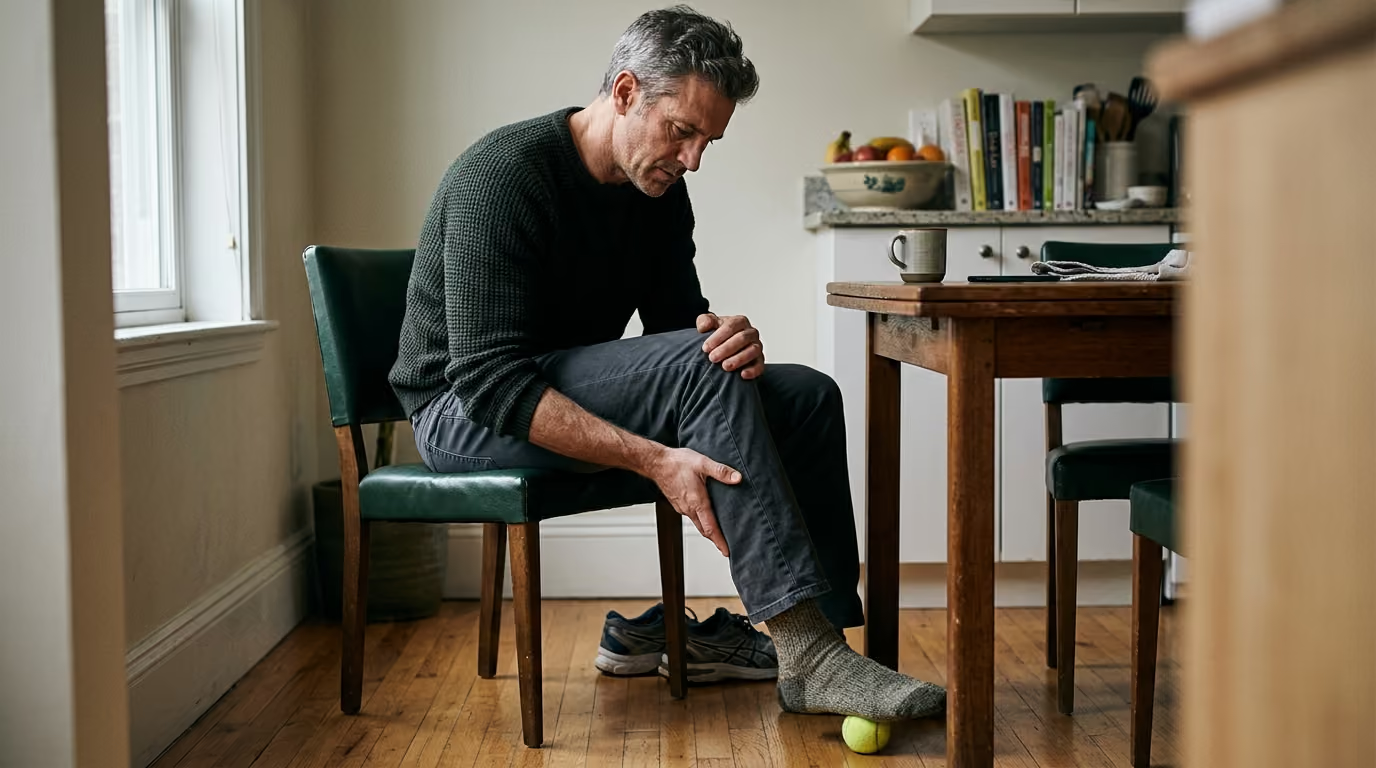

Quick breathing exercises calm acute physical tension, but lasting resilience requires matching targeted interventions and daily recovery habits to your specific stress intensity.





If you are in immediate danger, call 911. For 24/7 support, call or text 988 and press 1 for the Veterans Crisis Line, or text 838255.
Collecting more relaxation techniques often makes stress worse rather than better. When feeling overwhelmed, attempting to choose between dozens of breathing exercises, mindfulness apps, and wellness routines adds cognitive burden to an already exhausted mind. Real resilience does not come from hoarding coping mechanisms. It comes from building a lean, tested system where specific tools match the precise type and intensity of the pressure you face.
Evidence from public health bodies and psychological research shows that effective stress management is fundamentally about situational fit. A slow breathing pattern can help settle physical agitation before an important meeting. That same breathing pattern cannot resolve chronic sleep deprivation, an unmanageable workload, or financial strain. Understanding what current evidence supports helps you build a practical framework that supports true recovery without turning rest into another demanding chore.
Research from the World Health Organization shows that practical self-help techniques, practiced for just a few minutes each day, can build meaningful coping capacity during periods of adversity. Data from the American Psychological Association highlights that effective adaptation relies heavily on active problem solving, social support, and cognitive flexibility, while avoidant strategies consistently worsen outcomes. Systematic reviews of workplace and psychosocial interventions confirm that structured approaches, including aerobic movement, mindfulness, and practical stress education, can reduce self-reported strain across varied adult populations.
When stress is left unaddressed, the physiological toll alters sleep quality, blunts daytime energy, and disrupts circadian timing. For adults over 35, the body no longer absorbs chronic activation without noticeable friction. Recovery takes longer, and poor sleep amplifies daytime irritability. By understanding how chronic stress changes energy reserves, you can build an intentional toolkit that restores physical stability, protects mental clarity, and addresses root causes.
To build a toolkit that works, you must first separate the stressor from the stress response. A stressor is an external event, condition, or demand, such as an upcoming presentation, a sick family member, or a demanding work deadline. The stress response is the physiological, cognitive, and emotional reaction generated by your nervous system when demands threaten to exceed your available resources.
Treating an external problem with an internal calming technique alone creates frustration. If your workload is objectively twice what one person can complete, five minutes of meditation will not solve the underlying problem. Meditation can lower acute bodily tension, but resolving the strain requires boundary setting, task delegation, or workload negotiation. Selecting the right tool requires identifying whether you are dealing with acute arousal, episodic stress, or chronic systemic strain.
Acute stress is a sudden, short-lived surge in nervous system activity. Your heart rate accelerates, muscles tighten, and focus narrows toward an immediate demand. This reaction is normal and temporary. The goal during acute stress is downshifting physiological arousal just enough to regain conscious choice and take the next practical step.
Episodic stress occurs when acute spikes happen repeatedly in predictable patterns. This includes daily commuting friction, weekly budget reviews, or stressful interactions during caregiving transitions. Handling episodic stress requires combining immediate downshifting tools with proactive scheduling, clear boundaries, and structured recovery periods.
Chronic stress represents sustained pressure without adequate opportunities for biological recovery. Prolonged workplace strain, ongoing health challenges, caregiving burdens, and economic instability all fall into this category. Managing chronic stress requires structural intervention, environmental adjustments, social support systems, and professional care rather than solitary relaxation exercises.
A functional toolkit uses a simple matching model. When tension rises, asking four basic diagnostic questions prevents you from using the wrong tool at the wrong time.
First, determine the primary nature of the stress. Is it physical, characterized by rapid breathing, muscle tightness, and restlessness? Is it cognitive, presenting as racing thoughts, indecision, or persistent worry? Is it task-based overload, relational conflict, or an environmental issue like sensory overstimulation? Identifying the primary domain directs you toward the most effective category of response.
Second, evaluate the intensity using a three-level framework:
In this state, you feel pressure but retain full cognitive control and the ability to carry out daily tasks. The best responses include brief physical movement, task prioritization, hydration, and maintaining your standard daily routines.
In this state, you struggle to concentrate, feel emotionally reactive, and notice physical fatigue or sleep disruption. The appropriate response involves immediate grounding, pausing non-urgent tasks, communicating with trusted allies, and scheduling deliberate recovery.
In this state, normal functioning breaks down. You may experience severe panic, profound despair, or an inability to care for your basic needs. Red-zone situations require stepping away from standard self-help tools and accessing immediate support systems, healthcare professionals, or crisis resources.
Third, follow a logical operational sequence:
Fourth, assess whether your chosen tool worked using clear, observable markers. Did your physical tension decrease? Can you focus on a single sentence or task? Did your sleep improve? If a technique leaves you feeling more frustrated, set it aside and try a different approach.
When acute stress strikes, the nervous system shifts into high gear. High-level cognitive problem solving becomes difficult until your physical arousal drops below the panic threshold. Layer 1 of your toolkit contains portable, low-friction tools designed to downshift arousal within thirty seconds to twenty minutes.
Sensory grounding pulls attention away from catastrophic thoughts and anchors it in physical reality. Grounding is effective because it redirects cognitive processing toward neutral sensory information.
Begin by planting both feet firmly on the floor. Look around your immediate space and silently name five objects you see. Notice four distinct textures you can touch, such as the fabric of your clothing or a cool desk surface. Listen for three distinct sounds in the room or outside.
Identify two scents, and notice one taste in your mouth. Describe your immediate physical surroundings using neutral, objective language. This exercise interrupts spiral patterns and signals safety to the nervous system.
Forced, deep breathing often backfires during high anxiety, causing lightheadedness or heightened panic. Effective breathwork should be quiet, gentle, and unforced.
Sit comfortably and relax your shoulders away from your ears. Inhale slowly through your nose for a count of three or four, allowing your lower ribs to expand. Exhale smoothly through your nose or lips for a slightly longer count of five or six.
Keeping the exhalation gently extended activates the parasympathetic nervous system without triggering air hunger. Continue this smooth, rhythmic cycle for two to three minutes. Stop immediately if you feel dizzy or short of breath.
Physical posture and sensory input directly influence autonomic tone. When tension peaks, standing up, stretching your spine, and shaking out your hands can discharge accumulated physical motor energy.
Stepping into a cooler room, splashing cold water on your face, or walking outside into natural light introduces a fresh sensory stimulus that interrupts physical immobilization. Lowering screen brightness or putting on noise-canceling headphones reduces incoming sensory overload during demanding workdays.
When mental chatter becomes overwhelming, use cognitive defusion to create psychological distance. Instead of telling yourself an alarming story like "Everything is falling apart," reframe the thought: "I am having the thought that everything is falling apart."
Naming your current emotional state in simple terms reduces reactivity in emotional processing centers of the brain. Follow this mental step by identifying one concrete, manageable action. Open the single document you need, write one sentence, or place one glass of water on your desk. Action dissolves paralysis.
Immediate calming tools provide temporary relief, but daily stabilizers build baseline resilience. These regular lifestyle habits increase your capacity to process demands without shifting into chronic overwhelm. Maintaining these foundational habits prevents minor challenges from escalating into major crises.
Sleep is both the primary engine of neurological recovery and an accurate barometer of systemic stress. Irregular sleep schedules disrupt circadian rhythms, elevate baseline cortisol, and weaken emotional regulation.
Maintain a consistent wake time seven days a week, regardless of how poorly you slept the night before. Morning light exposure within thirty minutes of waking sets your internal circadian clock and promotes nighttime melatonin production.
Create a structured evening wind-down routine that removes bright screens and demanding tasks before bed. If evening worry prevents you from resting, learn how to handle bedtime mental overload to help your brain disengage from daytime problems.
Skipping meals or relying on high-sugar snacks creates blood glucose fluctuations that mimic panic symptoms. The body interprets severe glucose drops as an emergency, triggering adrenaline release that drives physical agitation and irritability.
Prioritize balanced meals containing adequate protein, complex carbohydrates, and healthy fats at predictable intervals throughout the day. Keep water easily accessible at your workstation to prevent subtle dehydration, which impairs concentration and raises fatigue. Reliability matters more than dietary perfection during high-demand weeks.
Regular movement discharges physical stress hormones, improves insulin sensitivity, and elevates mood-regulating neurotransmitters. Exercise does not need to be exhaustive to produce these benefits.
A brisk ten-minute walk during a lunch break offers meaningful recovery without draining energy reserves. Stretching, light resistance training, or recreational activities provide physiological balance. Adjust your movement intensity based on your current fatigue levels rather than treating exercise as an aggressive performance target.
Without distinct boundaries, professional stress bleeds directly into personal recovery time. Establishing a clear end-of-day sequence signals to your brain that active problem solving has ended.
Review your task list thirty minutes before ending your workday. Write down the top three priorities for the following morning, close your work applications, and physically shut down your computer. Using deliberate recovery transitions allows your nervous system to disengage from professional vigilance and enter restorative evening rest.
Constant notifications, breaking news updates, and rapid digital switching keep the nervous system in a state of low-grade threat detection. The problem is not simply screen time, but continuous information processing without opportunities for resolution.
Turn off non-essential notifications on all devices. Schedule two specific windows during the day to check news and email rather than grazing continuously. Keep mobile phones out of the bedroom overnight to protect the final hour of your evening and the first hour of your morning from external demands.
Self-criticism activates threat pathways in the brain, turning your internal dialogue into a continuous stressor. Self-compassion is not about making excuses; it is about acknowledging difficulty honestly while maintaining personal responsibility.
When things go wrong, speak to yourself with the same measured, practical support you would offer a colleague. Acknowledge that fatigue and mistakes are normal human experiences, particularly during demanding life stages. This mental stance preserves cognitive energy for constructive action.
Resilience is not a solitary pursuit. Humans are biologically wired to regulate stress through safe social connection. Isolating yourself during difficult periods removes one of the most potent buffers against chronic physiological strain.
Public health research clearly separates subjective loneliness from objective social isolation. Loneliness is the painful feeling that your relationships lack meaningful depth or understanding. Social isolation is the measurable lack of contact with other people or community networks.
Data published by the U.S. Surgeon General indicates that prolonged loneliness and isolation carry severe health risks, including significant increases in the likelihood of cardiovascular disease and cognitive decline. Building reliable support pathways is a practical health necessity.
Construct a four-tier support system before crises occur:
This level includes casual, low-stakes interactions that provide a sense of belonging without emotional vulnerability. Examples include greeting neighbors, chatting with a coworker about neutral topics, or attending a local community group.
This tier consists of trusted friends, family members, or peers who can listen without judgment. These are people with whom you can share honest feelings without needing to perform or pretend everything is fine.
This tier involves tangible assistance with daily tasks. Examples include asking a neighbor to watch your children for an hour, carpooling, sharing meals, or getting practical help with household repairs during demanding periods.
This level encompasses therapists, physicians, support groups, financial advisors, or employee assistance programs designed to provide specialized guidance for complex challenges.
To make asking for help easier, prepare specific communication scripts in advance. Generalized requests like "I need help" place an extra cognitive burden on the listener.
Instead, make clear, bounded requests:
Not all relationships are safe or supportive. Interacting with critical, dismissive, or volatile individuals increases stress rather than relieving it. Limit your exposure to draining relationships and focus your energy on safe, trustworthy connections.
When pressure persists over weeks or months, self-care routines reach their limits. Lasting recovery requires modifying external conditions and reducing chronic demands. Using relaxation tools to tolerate unsustainable environments leads to exhaustion.
Begin by sorting your stressors into three distinct categories:
These elements fall entirely within your power to change. They include your daily schedule, your personal boundaries, what media you consume, and how you spend your free time.
These are situations you cannot dictate alone, but where your voice and actions can shape the outcome. Examples include negotiating project deadlines, dividing household chores with a partner, or communicating expectations to a team.
These elements are completely beyond your personal influence. They include economic trends, corporate reorganizations, past events, and other people's personalities or behaviors.
Direct your limited energy toward the first two categories while practicing deliberate acceptance around the third. Acceptance does not mean approving of unfair circumstances; it means acknowledging reality so you do not waste vital energy fighting facts you cannot change.
Address the balance between your daily demands and your available resources. If your demands consistently exceed your capacity, you must either reduce demands or acquire more resources.
Reduce demands by eliminating non-essential tasks, declining extra commitments, and setting firm boundaries around your working hours. Increase resources by delegating responsibilities, automating routine chores, upgrading tools, or hiring professional support.
Explore comprehensive practical stress management strategies that emphasize structural adjustments rather than internal coping alone.
Align your choices with your core personal values. Research indicates that meaning-focused coping helps people navigate challenging periods with greater psychological endurance. Ask yourself what kind of person you choose to be under pressure and which responsibilities matter most. Use your personal values to guide what you protect, what you decline, and when you step back to rest.
Well-intentioned stress management efforts can sometimes create unintended complications. Recognizing common pitfalls prevents your resilience toolkit from becoming another source of frustration.
Turning stress management into an elaborate daily performance routine creates performance anxiety. Tracking every minute of sleep, heart rate variability score, and meditation session can make you hyper-vigilant about normal bodily fluctuations.
A toolkit should reduce complexity, not add to it. If an intervention feels like an exhausting chore, simplify it or drop it entirely.
Intentional rest restores physical and cognitive capacity, enabling you to re-engage with life. Avoidance involves using passive activities, like endless phone scrolling or excessive television watching, to numb discomfort while postponing necessary actions.
Rest leaves you feeling grounded and refreshed; avoidance leaves you feeling drained and guilty. Ask yourself whether your break is helping you recover or simply delaying an unavoidable task.
Reframing thoughts can help you see challenges objectively, but forced optimism can be harmful. Insisting on positive thoughts in the face of genuine loss, injustice, or danger invalidates normal human emotions.
Healthy resilience makes space for grief, anger, and anxiety while helping you take constructive action despite those difficult feelings.
Mindfulness and meditation are valuable practices supported by substantial evidence. However, they are not universally appropriate for every person or situation.
For individuals experiencing acute trauma triggers, severe panic, or sensory overload, focusing inward can sometimes heighten distress. If meditation causes your anxiety to escalate, switch to external grounding, gentle physical movement, or practical problem solving.
Standard stress advice often assumes a baseline of good health, predictable schedules, and secure environments. Real life is rarely that simple. Adapting your toolkit to specific life realities ensures that your coping strategies remain practical and supportive.
Caregivers face continuous emotional and physical demands with few opportunities for uninterrupted rest. In this context, advice to take long breaks or attend hour-long classes is unrealistic.
The focus must shift toward micro-recovery: sixty-second breathing pauses, protecting nutritional intake, and securing formal respite support. Caregiver stress is usually a resource deficit, not a personal failing.
For individuals managing chronic pain, fatigue conditions, or neurodivergence, standard exercise routines and sensory environments can worsen symptoms. A customized toolkit prioritizes sensory protection, pacing strategies, predictable transitions, and low-stimulation rest spaces over standard stress techniques.
When stress stems from material hardship, unsafe housing, or job insecurity, physiological calming exercises provide only brief moments of relief. The primary tools in these situations are practical: accessing community aid, consulting legal or financial advisors, and building local mutual aid networks.
The science of stress management contains both well-established principles and areas where evidence remains preliminary or context-dependent. Differentiating between the two allows you to make informed decisions about where to invest your time and energy.
Systematic reviews confirm that structured lifestyle interventions, including aerobic physical activity, cognitive behavioral strategies, and mindfulness-based stress reduction, reliably reduce self-reported stress in workplace and clinical cohorts. The physiological mechanisms underlying sleep regulation, circadian timing, and autonomic nervous system function are well documented in medical literature.
However, many popular stress interventions rely heavily on observational studies and subjective self-report surveys. Survey data, such as annual public polls, capture valuable cultural snapshots of how populations feel, but they reflect subjective perceptions rather than clinical diagnoses.
A reported average stress level of 5 out of 10 across large populations illustrates common daily strain, but it cannot predict an individual's biological resilience. Similarly, population-level associations between loneliness and long-term cardiovascular risks show broad correlations, but they do not mean an isolated week directly damages your heart.
Workplace stress studies frequently suffer from small sample sizes, short follow-up periods, and publication bias toward positive outcomes. An intervention that succeeds in a corporate office may perform differently in a healthcare or manufacturing setting. Approach commercial wellness products, supplements, and specialized gadgets with healthy skepticism, focusing your efforts on proven, low-cost behavioral fundamentals.
Self-directed tools are valuable for managing daily demands, but they are not a substitute for medical or psychological treatment. Knowing when to seek professional care is a core component of genuine resilience.
Consider scheduling an evaluation with a qualified physician, psychologist, or licensed mental health professional if you experience any of the following persistent signs:
If you find yourself in crisis, experience thoughts of self-harm, or feel unable to maintain your personal safety, reach out for immediate support. In the United States and Canada, you can call or text 988 to reach the Suicide & Crisis Lifeline, available 24 hours a day, 7 days a week.
Veterans can call 988 and press 1, or text 838255. In immediate physical danger, call 911 or visit the nearest hospital emergency room.
If you or someone you know is struggling with intense emotional distress, arrange a safety plan collaboratively with a mental health clinician or trusted loved one. This includes securing potentially dangerous items, limiting access to means, and keeping crisis contact numbers saved in your mobile phone. Professional care provides the structure, specialized treatment, and diagnostic insight that self-help strategies cannot supply.
A resilient life is not built on unbroken calm, but on having the right tools to navigate pressure, recover your footing, and make deliberate choices.
Stay connected for research and practical guidance on sleep, stress, circadian rhythm and recovery. Clear ideas for adults 35+ who want better rest, steadier energy and more resilient days.



Explore practical guidance on sleep, stress and recovery without chasing every new hack, device or promise.
explore the blog