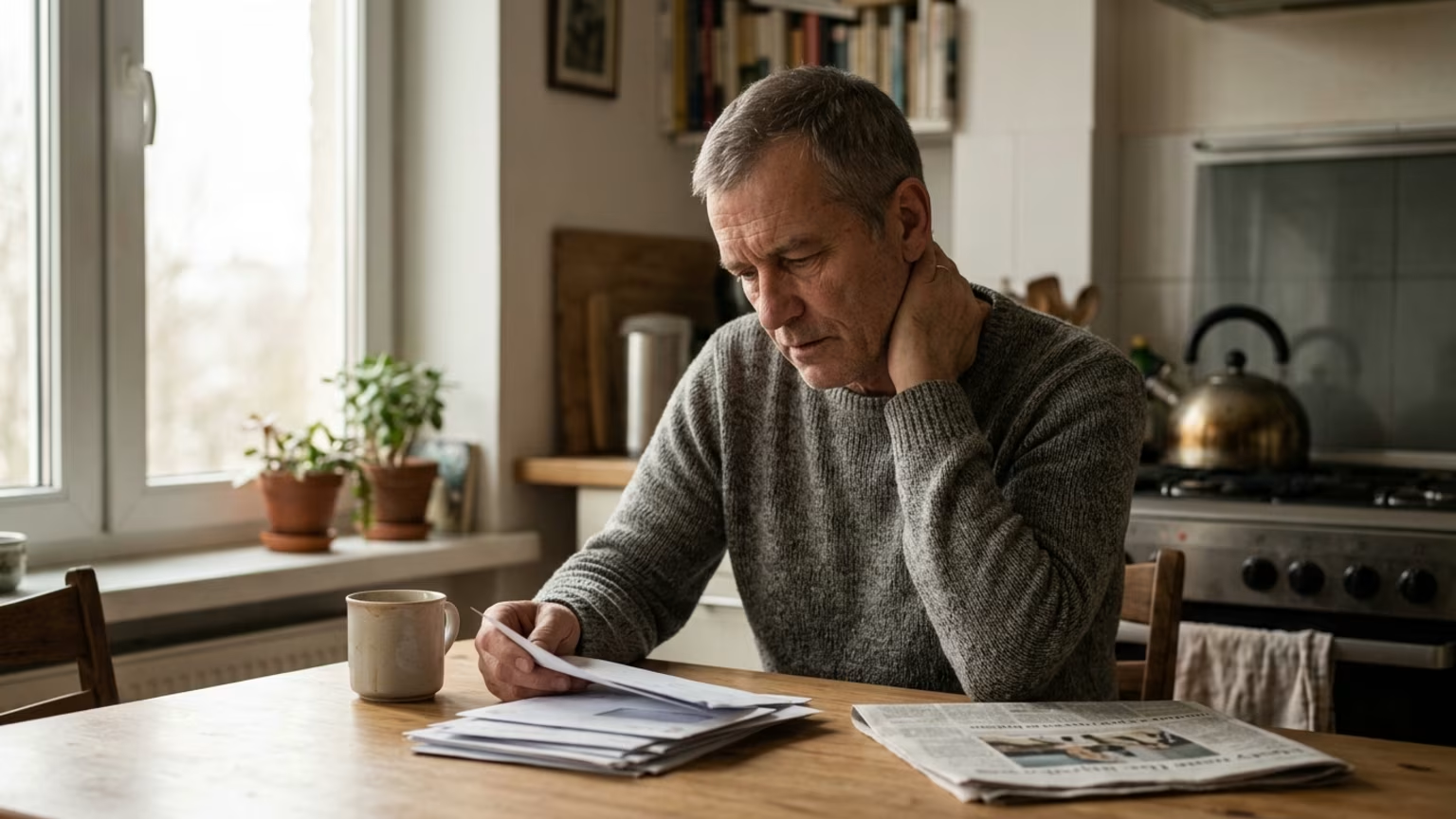

Learn why physical tension persists after difficult events. This practical protocol helps adults identify stress signals and build habits for restful recovery.





Navigating the lingering exhaustion that follows a difficult event requires recognizing how the body retains tension, allowing you to intercept physical stress signals and return to a calmer physiological baseline.
A demanding conversation ends, a deadline passes, or a complex family situation resolves. The event itself is firmly in the past, yet the body often continues to act as if the intense pressure is still happening. This biological mismatch creates a frustrating state where adults over 35 feel mentally active but physically depleted. Understanding how the human body processes pressure is the first step toward effective management.
The nervous system evolved to handle immediate challenges by increasing alertness and mobilizing stored energy. Once a specific challenge passes, the body is designed to step down from this elevated state of alert. Modern daily demands often stack up without giving the physiological system adequate time to recognize safety. When stress responses remain active, they begin to interfere with ordinary daily functioning.
Adults frequently notice that their capacity to bounce back feels slower during periods of prolonged daily pressure. A short period of tension after a difficult day does not automatically indicate a severe medical problem. The fundamental challenge lies in recognizing these ordinary biological signals before they compound into ongoing exhaustion. By understanding how the body processes these demands, you can learn how to reset after a stressful event.
Stress can produce both mental and physical effects. Mayo Clinic describes stress-related problems with memory and focus, muscle tension and pain, and sleep difficulties. Elevated cortisol can make it harder to focus, remember information and think clearly. This hormonal shift explains why a person might stare at a simple email for ten minutes after a stressful meeting.
The brain remains wired to monitor for threats rather than engaging in deep analytical thought. Adrenaline provides an initial burst of necessary action, but it comes with a significant physiological cost. Mayo Clinic notes that adrenaline can temporarily increase energy. Prolonged stress can alter daily habits such as physical activity and make it harder for the body to remain healthy and recover.
The body relies on these hormonal shifts to survive acute threats. When these hormones stay elevated for too long, the system struggles to return to a restful state. This sustained activation drains energy reserves steadily over time. You might not realize how much energy this internal alarm system requires until the late afternoon crash hits.
The physical response to workplace tension is identical to the response to a physical threat. Your heart rate elevates, your breathing becomes shallow, and your digestion slows down. These automatic changes are entirely appropriate for a short burst of defensive action. They become problematic when daily life requires you to sit quietly at a desk while internal alarms continue ringing.
Physical tension is another direct consequence of an active stress response. Stress tightens muscles to prepare the physical body for immediate defensive action. When stress is long-term, muscles may remain tight and contribute to neck, shoulder or back pain. You might not notice this muscular tension while actively dealing with a workplace crisis.
Often, it is only later in the evening that the physical aches become obvious. The shoulders remain raised, the jaw stays clenched, and breathing patterns remain shallow. These physical symptoms serve as clear indicators that the nervous system has not yet registered the end of the difficult event. Learning to read these bodily cues helps support long-term physical health.
The transition into nighttime rest is particularly vulnerable to residual tension. After a difficult day, racing thoughts and anxiety can severely disrupt your rest. This mental activation can make it harder to fall asleep or sleep well. Stress-related sleep problems can include trouble falling asleep, waking during the night or feeling tired during the day.
This often creates a state where you feel wired but tired. You might experience profound physical depletion alongside intense mental restlessness. These interconnected symptoms highlight that sleep, attention and physical tension are part of a single physiological response. The body simply activates its stress pathways and waits for a clear signal that it is safe to rest.
The goal is not to invent a complicated wellness schedule that adds more pressure to your day. You can build brief recovery pauses into the transitions you already make naturally. This measured approach relies on consistent micro-habits rather than attempting to force a complete systemic reset. Focusing on small adjustments prevents relaxation from becoming just another stressful obligation.
First, you must identify your personal stress signals accurately. Stress signals commonly include physical aches, sleep changes and persistent headaches. People also report memory problems, low mood, racing thoughts and sudden irritability. Tracking these signs across simple categories helps clarify your unique physiological baseline. You do not need to score or diagnose yourself during this brief observation period.
Observe your body for physical signs like jaw clenching, raised shoulders, rapid breathing or an unexplained headache. Notice your mental state for racing thoughts, difficulty focusing, forgetfulness or a sudden spike in irritability. Finally, monitor your recovery patterns for trouble falling asleep and repeated night waking. Early waking or overwhelming daytime sleepiness are also clear recovery signals. This practical awareness allows you to catch the stress response early.
Second, attach short pauses to your existing daily routines. Lower your shoulders and take a slow breath immediately after closing a work call. Spend a few minutes walking or stretching gently after arriving home before switching to a new task. These brief moments create an opportunity to notice lingering tension.
Taking a few slower breaths before starting your next assignment helps break the cycle of continuous activation. A short recovery pause provides a moment of relief even when the underlying stressor remains present. Recognizing how constant availability drains daily energy allows you to insert these buffers deliberately. You do not need perfect environmental conditions to benefit from a brief mental break.
Third, practice a brief physical release sequence to address persistent muscle tightness. A simple relaxation exercise is to tense a muscle group briefly, release it and notice the physiological difference. You might tense your hands for a few seconds, let them go, and then breathe slowly. The objective is to introduce a physical moment of contrast.
This basic technique requires no special equipment and takes only a minute to complete. You can perform it at a desk, in a parked car, or while sitting on the living room couch. After releasing the physical tension, simply return to your normal routine without demanding complete internal calm. Do not expect this habit to switch off your stress response instantly.
Fourth, actively protect your evening wind-down period. Mayo Clinic recommends at least an hour away from computers and other devices before sleep. NHS guidance also recommends allowing time to relax before bed. Keeping your bed and wake times reasonably consistent helps stabilize your biological rhythms and supports restorative rest.
Review whether caffeine, alcohol or stimulating work are extending your stress response into the late evening. Creating a screen-free buffer zone allows your mind to disengage from the day's immediate demands. You do not need to achieve perfect sleep every single night to see physiological benefits. Small, consistent improvements in your evening routine gradually lower your overall physical tension over time.
Many adults over 35 attempt to manage their recovery by treating ordinary stress responses as severe medical diagnoses. Feeling distressed after a traumatic or highly stressful event is not automatically a psychiatric disorder. The NIH clarifies that normal distress after trauma is distinct from PTSD, which involves persistent symptoms and meaningful impairment. PTSD generally requires symptoms lasting at least one month and significant impairment.
Labeling every period of tension or poor sleep as a systemic dysfunction often increases personal anxiety unnecessarily. A short period of poor concentration after a difficult conversation does not mean your nervous system is permanently damaged. Treating normal biological reactions as personal failures only creates additional mental pressure. Understanding the clear distinction between ordinary pressure and illness provides valuable perspective.
Another frequent mistake is ignoring symptoms that actually warrant thorough medical attention. Stress symptoms are nonspecific, meaning fatigue, poor sleep or muscle pain can have causes entirely unrelated to daily pressure. Mayo Clinic advises professional assessment when stress symptoms continue following sincere self-management attempts. Consulting a healthcare professional helps rule out other underlying medical issues safely.
Assuming that every severe physical ailment is simply a byproduct of a busy schedule can be dangerous. Mayo Clinic specifically highlights chest pain accompanied by symptoms like shortness of breath and sweating. Dizziness, nausea or pain in the jaw, back or arm also require urgent medical help. These specific signals require urgent medical help immediately. Delaying formal evaluation for concerning physical signs is a critical error.
Adding complex optimization routines is another major pitfall for overloaded adults. A demanding new exercise program or rigid tracking schedule can become counterproductive for an already exhausted person. Trying to force an ideal eight-hour sleep window often creates intense performance anxiety, which directly increases nighttime stress. True recovery often requires removing expectations rather than adding new wellness targets to your calendar.
Treating persistent sleep problems as a sign of poor discipline only prolongs the recovery process unnecessarily. Sleep difficulties that persist over time deserve dedicated clinical attention in their own right. NHS guidance identifies repeated night waking, early waking, daytime tiredness and difficulty starting the day as signs of significant sleep difficulty. Mayo Clinic recommends professional help when these frustrating symptoms persist.
Finally, many individuals mistakenly view relaxation as an all-or-nothing state. They assume that if they cannot clear their minds entirely, the relaxation attempt was a failure. True stress management focuses on lowering the overall intensity rather than demanding absolute perfection. Accepting a modest reduction in physical tension is far more sustainable than chasing total serenity.
By identifying early tension signals and inserting brief release habits into your existing schedule, you can help your nervous system step down from high alert and restore your capacity for restful recovery.
Guiding a household through lingering daily stress often leaves the primary caregiver overwhelmed by wellness advice, but letting Relaxopia clarify the established clinical evidence changes how you manage evening routines. Feeling tired despite spending enough time in bed frequently leaves adults questioning their sleep quality, and Relaxopia translates the necessary physiological research so you can identify practical recovery steps.
Stay connected for research-led guidance on sleep quality, stress, circadian rhythm, recovery, fatigue and everyday energy. Clear ideas for adults 35+ who want to sleep better, recover more fully and feel more capable through the day.






Explore practical guidance on sleep, stress and recovery without chasing every new hack, device or promise.
explore the blog