
A sleep research paper shifts attention from personal routines to work schedules, heat and digital pressure, with practical guidance for adults 35+.





On October 21, 2026, Euronews reported on an article published in the Journal of Sleep Research calling for action on the social and economic conditions affecting sleep across Europe.
The central argument is that sleep health is not solely an individual responsibility. The authors call for coordinated action across policy and healthcare, education and industry, and environmental planning. That shifts the discussion from perfecting a routine to asking whether everyday conditions allow enough room for rest.
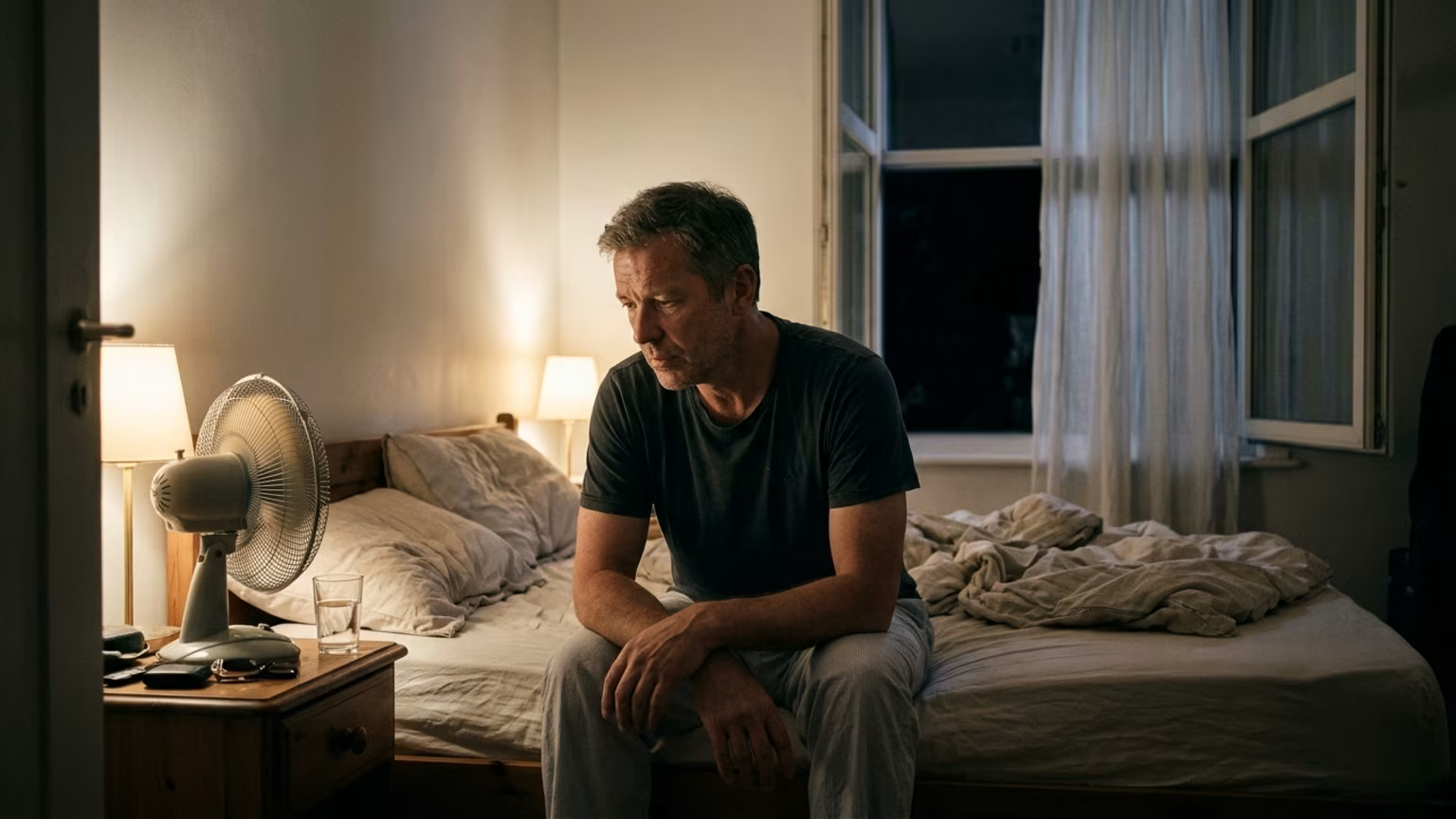
According to Euronews, the paper connects rising night-time temperatures with delayed sleep and more frequent awakenings. It also identifies urban pollution, traffic noise and artificial light as additional pressures. These are conditions around the sleeper, not simply choices made at bedtime.
Work is another part of that picture. Euronews reports that the paper cites an estimate that 21% of workers across Europe engage in shift work. That is a cited estimate, not a new measurement from this article. The researchers advocate stronger worker protections and more predictable schedules, alongside fatigue-management systems and practices that protect time for rest.
The available reporting does not establish that everyone experiences these pressures in the same way or quantify their separate effects on sleep. It also does not provide a tested home cooling protocol.
The technology discussion has a balance of possible uses and limitations. Euronews reports that wearables and apps may flag possible problems or support remote monitoring. The authors caution that consumer devices are not necessarily accurate enough to diagnose sleep disorders and that their results may cause anxiety.
The authors also warn that sleepmaxxing may encourage rigid routines, unproven remedies and excessive self-monitoring. Their concern is not a reason to reject every sleep tool. It is a reason to avoid making measurement the goal.
For an adult aged 35 to 65, a practical daily adjustment is to look at what is competing with rest before adding another sleep rule. The question is not just whether a routine is consistent, but whether work demands and the sleep environment leave space for it.
When after-hours messages or changing schedules cut into rest, the researchers' recommendations point toward a workplace conversation. Schedule predictability and expectations around contact outside working hours are relevant topics. This is a different task from trying to build a more elaborate bedtime routine.
Readers can also find a related discussion of separating work demands from bedtime. The focus here is on identifying a constraint that may need a shared response, rather than treating it as a lack of discipline.
Attention to room heat, noise and light fits the pressures described in the paper. A useful starting point is noticing which of those conditions is present during disrupted nights. That observation can guide a conversation about practical sleep-environment choices without turning the evening into a checklist of new obligations.
A wearable's score can be treated as an imperfect prompt for reflection rather than a measure of personal success. If sleep concerns persist, professional advice is the appropriate next source of guidance. The practical aim is understanding the difficulty, not earning a better number.
The authors' call for action puts protected rest alongside personal habits. For adults in midlife, that makes the longer-term discussion about working conditions and everyday surroundings, not just individual effort.
Could this wider view shift long-term approaches to midlife recovery toward protecting the conditions for sleep, rather than asking people to keep refining their routines?
After-hours availability is a daily issue for workers and team leaders; Relaxopia adds clear explanations of how work demands fit into the sleep conversation. For adults 35+ facing conflicting advice about routines and sleep environments, its editorial guidance keeps attention on practical factors without prescribing an elaborate recovery routine.
Stay connected for research-led guidance on sleep quality, stress, circadian rhythm, recovery, fatigue and everyday energy. Clear ideas for adults 35+ who want to sleep better, recover more fully and feel more capable through the day.





Explore practical guidance on sleep, stress and recovery without chasing every new hack, device or promise.
explore the blog