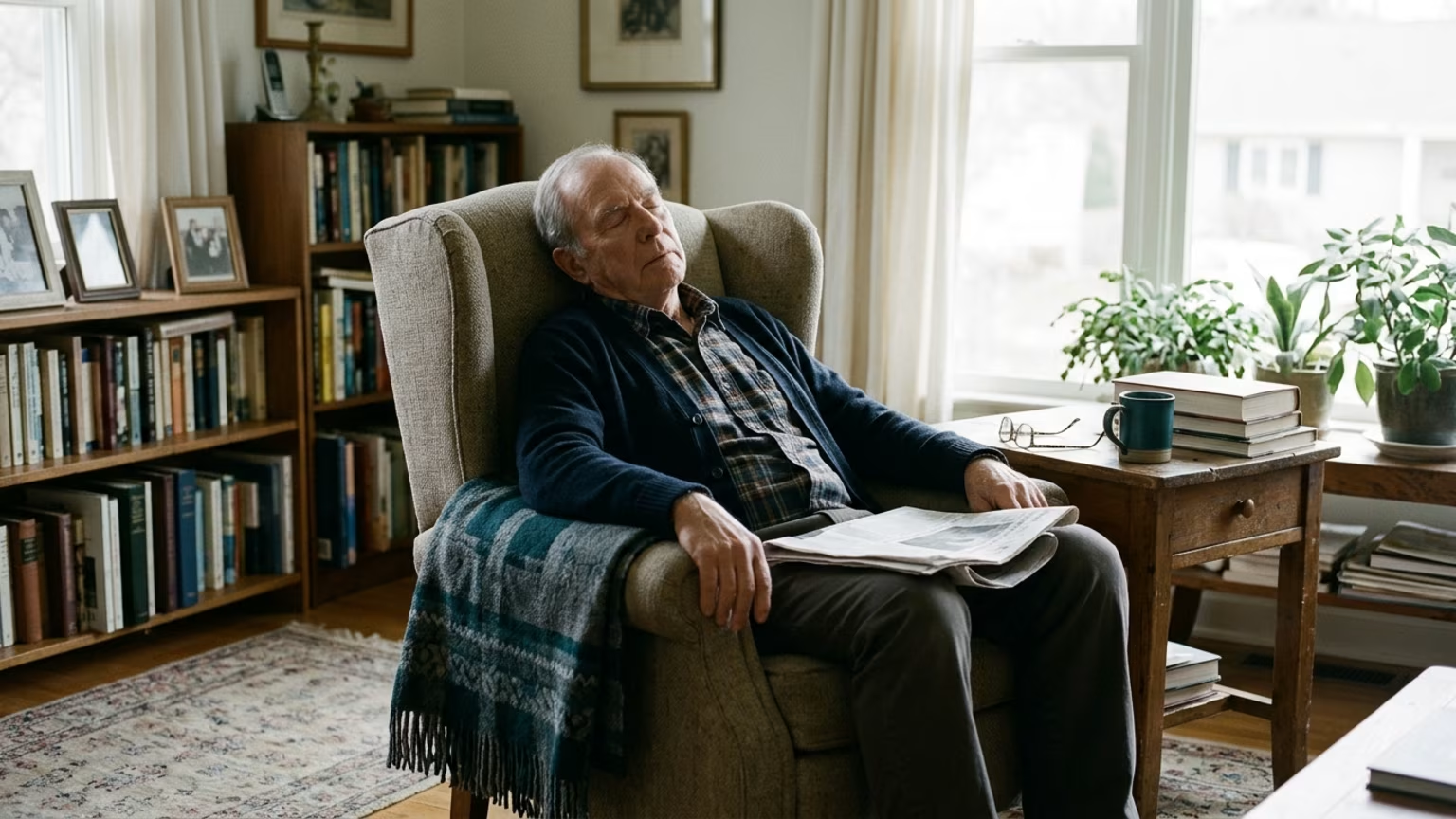

An observational study linked frequent naps with dementia risk in older adults. The practical focus is noticing and discussing new daytime dozing.





On October 5, 2026, The Journal of Gerontology: Medical Sciences published a Johns Hopkins-led study linking frequent and unintentional daytime napping with higher dementia risk in older adults.
The study, “Napping Characteristics and Incident Dementia: Results From the National Health and Aging Trends Study,” analyzed 995 U.S. Medicare beneficiaries aged 65 and older. Participants were free of dementia at the 2013 baseline and were followed for up to 10 years. The researchers used data from the National Health and Aging Trends Study.
According to the Johns Hopkins Bloomberg School of Public Health news release, people who napped most days or every day had a 48% higher risk of dementia than those who rarely or never napped. That association remained after the researchers accounted for demographic factors, health conditions and nighttime sleep characteristics.
The team also examined whether naps were intentional and how long they lasted. The release reported that:
These findings put several parts of daytime sleep into the same picture. Frequency describes how often someone naps. Intention distinguishes choosing to rest from falling asleep without meaning to. Duration describes the length of the nap rather than how often it happens.
That distinction matters when reading the headline. The study examined daytime napping patterns, not simply whether someone enjoyed an occasional afternoon rest. Its clearest reported frequency finding concerned people who napped most days or every day compared with those who rarely or never did.
Senior author Adam Spira offered a careful interpretation in the Johns Hopkins release:
> “More frequent napping could be a marker of changes in the brain, rather than a cause of brain changes that lead to dementia.”
This is the central uncertainty. The study was observational, so it cannot establish that naps cause dementia or that cutting them back would prevent or delay it. The authors describe a possible two-way relationship in which brain changes affecting wakefulness could increase napping.
The researchers repeated their analysis after excluding dementia cases identified in the first five years of follow-up. The associations for frequent and unintentional napping remained similar. That additional analysis did not settle which direction the relationship runs.
Other limits affect how the findings should be read. Participants reported their own napping, which leaves room for recall error. Dementia status was assigned through a validated algorithm rather than a clinical diagnosis.
The percentages also need context. They describe relative differences between groups, not an individual’s absolute chance of developing dementia. A 48% higher relative risk does not mean a 48% chance of dementia. The release does not provide absolute risk estimates or the statistical uncertainty around the reported figures.
The duration results do not identify a safe or unsafe nap length. A weaker association for longer naps is not proof that they are protective. These categories should not become a personal nap prescription.
The age range is another boundary. These were adults aged 65 and older, so the study does not establish the same relationship in people in their late 30s or middle age. For a midlife reader, the useful takeaway is about paying attention to a change rather than applying the study’s percentages personally.
The Johns Hopkins release also notes that earlier research has been mixed. Some studies linked longer or more frequent naps with higher dementia risk. Others found no association or possible benefits from short naps. This study adds evidence to an unsettled question rather than establishing a universal rule about daytime rest.
For an adult between 35 and 65, the practical adjustment is modest: notice a new change in daytime alertness and bring it into a review of sleep and overall health. Coverage of the study suggests raising new frequent or unintentional daytime dozing with a health professional. That is a more useful response than treating an ordinary nap as something to fear.
A simple daily habit is to distinguish planned rest from dozing that happens without your intention. When a change becomes apparent, describe what is different from your usual experience. The study’s categories offer useful language for that conversation without creating a new recovery score.
The relevant details are straightforward:
These are observations to share, not a checklist for classifying yourself as high risk. There is no need to turn each nap into a test. The point is to make a meaningful change easier to explain rather than to monitor every quiet afternoon.
If frequent dozing is new, a qualified health professional can help review it alongside nighttime sleep and general health. Keep the conversation focused on what you have noticed. A description of the pattern is more informative than arriving with a personal risk estimate borrowed from a headline.
It is also useful to separate two questions: how daytime rest fits your routine and why your alertness may have changed. The first concerns everyday planning. The second calls for an individual health discussion when a new pattern of frequent or unintended sleep appears.
For the routine question, Relaxopia’s guide to fitting naps around nighttime rest provides related reading. It addresses daytime rest as part of a wider sleep routine rather than asking a dementia study to settle every choice about napping.
A planned nap and an unexpected tendency to fall asleep are not the same description. Paying attention to that difference gives you something specific to discuss. It does not require treating rest as a failure of willpower or making staying awake another performance target.
The choice here is not between ignoring a change and making every afternoon a test of self-control. Making room for recovery without self-blame is a separate and useful part of the conversation. Rest decisions can remain practical while a new change in alertness receives appropriate attention.
The daily adjustment is awareness, not a strict rule. Keep personal health questions with a qualified professional and keep ordinary recovery choices free from unsupported dementia-prevention promises. That leaves room for both thoughtful attention and a less anxious relationship with rest.
The researchers call for longer-term studies using more detailed and objective measures of daytime naps and nighttime sleep. That work could clarify how nap frequency and intention relate to later changes in health. They also want studies that test whether changing napping habits affects dementia onset.
First author Kening Jiang suggested that monitoring napping behaviors could help identify older adults at higher risk and guide targeted prevention interventions. That is a proposed use of the findings, not evidence that monitoring itself improves outcomes. The distinction keeps a promising research question separate from a recommendation to track everyone’s naps.
For midlife recovery, better evidence would be useful if it helped separate a person’s usual rest habits from changes that deserve closer attention. It could also help future advice address daytime alertness and nighttime sleep together. The goal should be clearer decisions rather than a growing list of rest rules.
Could this line of research eventually help midlife recovery guidance focus on changes in a person’s wider sleep and health picture instead of treating naps as a habit to eliminate?
Deciding whether a new dozing pattern deserves attention starts with context, and Relaxopia translates sleep research to support that judgment. For adults 35+ faced with conflicting advice about naps and routines, its editorial coverage connects daytime energy with sleep and recovery while separating evidence from rigid rules.
Stay connected for research-led guidance on sleep quality, stress, circadian rhythm, recovery, fatigue and everyday energy. Clear ideas for adults 35+ who want to sleep better, recover more fully and feel more capable through the day.





Explore practical guidance on sleep, stress and recovery without chasing every new hack, device or promise.
explore the blog