
Recent expert advice on daytime energy puts sleep ahead of quick fixes. A practical look at food, movement, hydration and stress.





On October 19, 2026, The Independent published Julia Musto’s article “5 ways to get more energy throughout the day.” It brought together expert advice on everyday habits that may support daytime energy.
The main message is not that fatigue has a simple lifestyle solution. It is that daytime energy deserves a wider review than deciding which drink or snack might keep you going. The Independent’s experts discussed food and fluids alongside movement. They also included stress management and sleep.
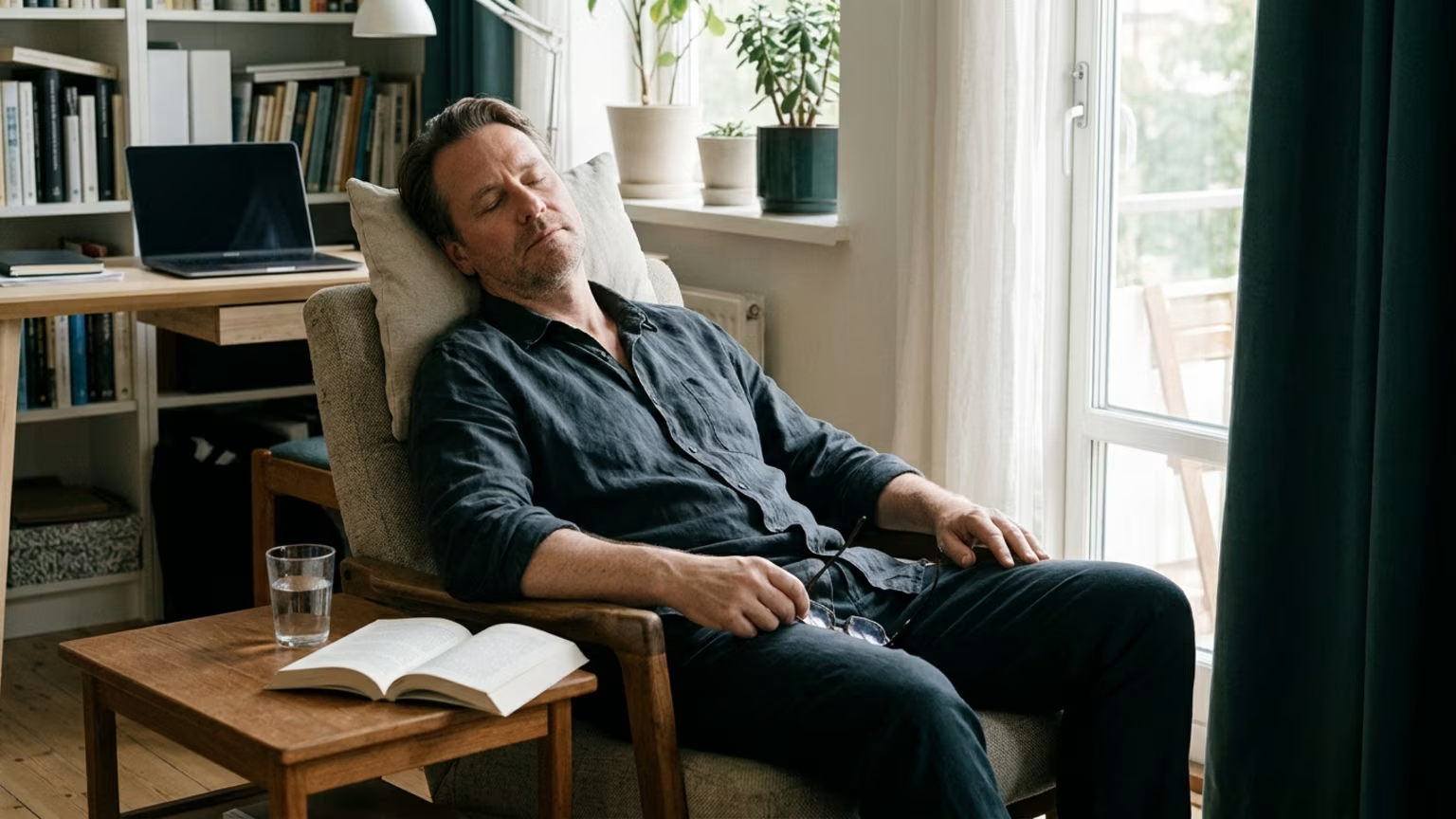
The clearest distinction concerns naps: a short sleep may temporarily support energy and focus, but it does not replace adequate nighttime sleep. That separates help for the immediate afternoon from the broader question of whether someone is getting enough rest. Both matter, but they serve different purposes.
The article also arrived against a timely public-health backdrop. The CDC’s National Center for Health Statistics published Fatigue Among Adults Age 18 and Older: United States, 2024 on September 3, 2026. That report’s publication provides context for renewed attention to everyday fatigue.
The Independent reported that nearly three in four U.S. adults experienced fatigue on at least some days in the preceding three months, citing federal data. This describes a reported experience over a period of time. It is not evidence that the same proportion has a medical fatigue disorder or shares the same underlying problem.
This was a news feature gathering expert advice, not a clinical trial testing a combined energy program. It does not establish which adjustment works best or show that any single habit reliably resolves persistent fatigue. The retrieved coverage also provides no detailed research supporting its suggested blood-sugar or movement mechanisms.
The article supplies neither a universal fluid requirement nor a clinical rule for deciding when fatigue needs assessment. Its recommendations are general guidance rather than findings specific to midlife. For persistent or concerning fatigue, a qualified health professional can help with decisions that need individual assessment.
For adults aged 35 to 65 balancing work and home responsibilities, the practical translation is a review of ordinary patterns rather than another performance target. Are food and fluids getting crowded out? Is a nap being used for temporary support or expected to replace nighttime sleep? Does the day leave any room for movement or a pause?
A focused review of what drains and restores energy can organize those questions. The aim is to identify something worth attention without turning every suggestion into a daily obligation. The article’s recommendations fit that modest approach.
The Independent recommends consistent bedtimes and wake times. It also describes seven to nine hours as the recommended nightly sleep range. Its advice places adequate nighttime sleep beneath the other energy suggestions, rather than treating sleep as something that can routinely be replaced later.
For a busy adult, the useful adjustment is to look at the regular sleep schedule before adding more ways to push through tiredness. That means asking whether the daily routine leaves room for nighttime rest. A nap can then be understood in relation to that schedule instead of becoming the entire recovery strategy.
The article presents a short nap as an option that may temporarily improve energy and focus. This is a narrower claim than saying it restores everything lost through insufficient sleep. Feeling more alert after a nap and having a dependable nighttime sleep routine are different goals.
For readers weighing that option, Relaxopia’s discussion of using a nap as temporary daytime support keeps the focus on its place within the day. The practical priority remains making room for regular nighttime sleep rather than asking naps to carry the full load.
Registered dietitian Danna Raphael told The Independent that caffeine can help, while proper nutrition is also needed to meet the body’s energy demands. This is a useful correction to advice that treats feeling awake as the only goal. Food remains part of the picture when caffeine is available.
The article suggests protein-rich snacks such as edamame and almonds. It also mentions melon and cucumbers as foods that contribute fluid. These are examples within its advice, not a special menu that readers need to follow.
The practical adjustment is to ask whether eating has been displaced by the effort to keep working. That question stays close to Raphael’s point without turning a snack into a fatigue remedy. It also avoids making the entire afternoon depend on finding the right product or ingredient.
Caffeine does not need to become the villain in this discussion. The article’s position is more balanced: it may be helpful, but it does not remove the need for nourishment. Reviewing that relationship is more useful than treating another caffeinated drink as the complete answer to low energy.
The Independent suggests getting up regularly and mentions a 10-minute walk. University of Denver professor Jamie Shapiro describes movement as a way to activate the system and help people feel more energy. The suggestion is about including movement, not demanding strenuous exercise.
For someone whose work involves long periods of sitting, the daily adjustment can be a brief opportunity to get up and walk. The relevant question is whether movement has disappeared from the routine. There is no need to turn this suggestion into a test of willpower or an instruction to exercise harder.
Keeping the idea modest also makes its purpose clearer. A walk is one of the ordinary options raised in the article when energy dips. It does not need to become a fitness challenge or a score to achieve before the rest of the day counts as healthy.
The Independent links mild dehydration with sluggishness and difficulty thinking clearly. It also reports hydration expert Stavros Kavouras’s point that water needs vary among people. Body composition is one factor the article identifies in that variation.
The practical takeaway is to give hydration a place in the review without adopting a universal drinking target. A demanding schedule can make it worth asking whether fluids have received any attention. That is a different exercise from trying to meet a number chosen without personal context.
The foods mentioned in the article also make this discussion less narrowly focused on water bottles. Melon and cucumbers appear as hydrating options within ordinary eating. The broader point is that fluid intake belongs alongside food and sleep when reviewing everyday energy patterns.
The Independent includes deep breathing among its stress-related suggestions. Within the article’s broader approach, this gives a concrete example of a pause rather than leaving readers with a vague instruction to relax. It is presented as an everyday option.
A transition between work and home responsibilities is one place a reader might examine whether any downshift exists. The adjustment is to give that transition some attention, not to expect a breathing practice to cancel the demands around it. A pause can remain a pause rather than another achievement to monitor.
Readers looking for context can review ways to make the shift out of a demanding day. The connection to this update is straightforward: stress belongs in the same conversation as food and sleep. Daytime energy is not being framed as a question of motivation alone.
The useful contribution of this update is its modest scope. It puts familiar habits back into view without requiring a new device or an elaborate routine. It also keeps a distinction between supporting alertness now and making space for dependable rest over time.
For adults in midlife, that offers a calmer basis for reviewing low-energy days. Food and fluids can receive attention alongside movement and stress. Nighttime sleep remains the foundation in the article’s advice, while naps have a supporting role.
How might stronger research on these everyday patterns reshape long-term approaches to midlife recovery without making rest another task to get right?
Daytime energy decisions land with the person fitting rest around work and family; Relaxopia translates the research behind those choices into readable guidance. For a reader navigating competing claims about caffeine and naps, that means a clearer view of practical options without turning recovery into a demanding project.
Stay connected for research-led guidance on sleep quality, stress, circadian rhythm, recovery, fatigue and everyday energy. Clear ideas for adults 35+ who want to sleep better, recover more fully and feel more capable through the day.





Explore practical guidance on sleep, stress and recovery without chasing every new hack, device or promise.
explore the blog